
24/7 Customer Support

Free returns

Same-day & Next-day Delivery

Quality Guaranteed

Unlock Your Welcome Offers: FREE Delivery | Up to 80% OFF | Free 30-day JoyPlus trial
Download the APP
A warning light does not always mean an expensive repair, but it does mean you need better information before replacing parts. A suitable car diagnostic scanner can read fault codes, display live data and support routine servicing. The wrong device, however, may only read engine codes, require a costly subscription or advertise functions that are unavailable for your particular vehicle.
This guide explains what UK car owners, home mechanics, mobile mechanics and independent garages should check before buying an OBD2 scanner.
Many low-cost devices are simply an engine car code reader. They may retrieve generic powertrain codes but cannot access important modules such as ABS, SRS, transmission, body control or air conditioning.
If you need more than a check-engine-light scan, look for wording such as full-system diagnostics, all-system scan or clearly listed module coverage. Even then, access depends on the vehicle’s make, model, year, equipment and software coverage.
An automotive diagnostic tool may list oil reset, EPB, battery registration, injector coding, DPF regeneration or throttle relearn. These are not universal functions. A service option can be available for one engine variant but absent from another vehicle using the same brand.
Before ordering, provide the seller with your VIN, vehicle model, engine and required function. Treat “15 resets”, “28 resets” or “100+ functions” as a menu count rather than a guarantee for your car.
“Free updates” can refer only to basic software, while advanced vehicle packages may need a subscription. FCA vehicles with protected security gateways may also require a separate AutoAuth account. ECU coding and programming can involve additional conditions, including a stable internet connection and an external battery maintainer.
Check whether updates are genuinely lifetime, limited to a defined period or split between standard diagnostics and special functions.
A vehicle fault code reader should support the protocols used by your car. Standard OBD2 access is useful for engine emissions data, live parameters, freeze-frame information and I/M readiness checks. For wider module access, look for CAN, CAN FD and, where relevant, DoIP support.
CAN FD and DoIP can improve compatibility with newer vehicle networks, but their presence does not guarantee full coverage. Always compare the tool’s vehicle list with your own car rather than relying on a general percentage claim.
For basic maintenance, choose a scanner that can:
A full-system diagnostic scanner should also identify available modules beyond the engine. If you need to operate components such as cooling fans, fuel pumps, windows or valves, select a bi-directional scan tool with active-test capability. This sends commands to the ECU, so follow the on-screen instructions and vehicle safety procedures carefully.
A car scanner with reset functions may assist with oil-service reminders, EPB work, BMS registration, SAS calibration, TPMS procedures and other maintenance tasks. Confirm the exact function for your vehicle before purchase.
For ECU coding or module programming, connect a suitable battery support unit where the manufacturer procedure requires one. A voltage interruption during coding can leave a module in an unusable state. Diagnostic equipment should supplement proper repair information, not replace it.
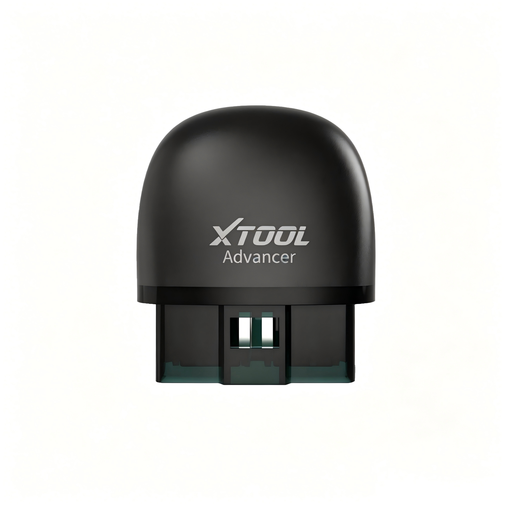
Why This Fits Their Persona: A compact wireless OBD car code reader for drivers who want to investigate warning lights, monitor battery voltage and review live data using an iOS or Android phone.
It goes beyond a basic engine reader with full-system scanning, live data, freeze-frame information and standard OBD2 tests. Vehicle coverage should still be confirmed before purchase.
Wireless Bluetooth connection, battery testing, oil reset and smartphone-based AI-assisted code explanations.
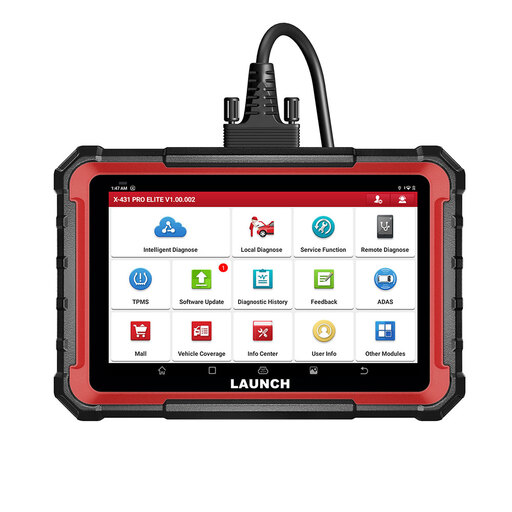
Why This Fits Their Persona: A tablet-style automotive scanner for technicians, independent garages and enthusiasts who need broad diagnostic access and a larger display for workshop use.
The listed functions distinguish full-system access, active tests and ECU coding from ordinary code reading. Coding availability remains vehicle-dependent.
8-inch touchscreen, CAN FD and DoIP support, bi-directional tests, ECU coding and a broad list of service functions.
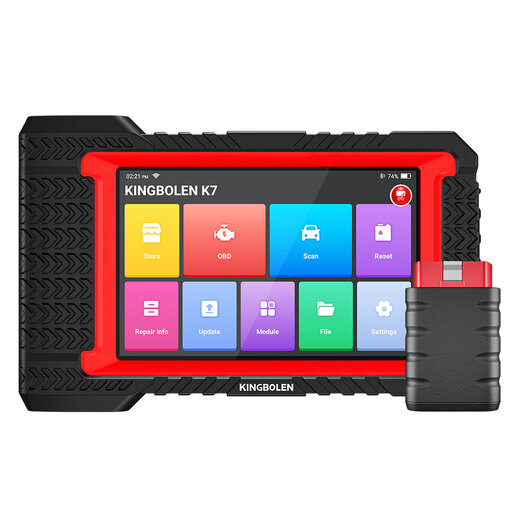
Why This Fits Their Persona: Suited to mobile mechanics and busy home garages handling varied vehicles, particularly users who need active tests, coding and repeated maintenance procedures.
Its listed lifetime update model avoids relying on short update periods, while the compatibility note makes VIN confirmation important before advanced work.
28 listed reset functions, wireless diagnosis, ECU coding, active tests and CAN FD/DoIP support.
Locate the 16-pin diagnostic socket, usually beneath the dashboard near the steering column. Switch the ignition on as instructed by the scanner, connect the device and select the correct vehicle manually if Auto VIN does not identify it accurately.
Save the original codes and diagnostic report before clearing anything. Clearing a warning light does not repair the underlying fault, and an extinguished light does not confirm that a vehicle will pass its MOT. Never use active tests near moving parts without following the manufacturer’s instructions. For airbag, braking, high-voltage or immobiliser work, use appropriate repair information and qualified assistance where necessary.
We have compiled a complete, real-time list of products that fully satisfy these strict selection criteria and UK safety regulations.
It can be useful if you regularly maintain several vehicles, investigate warning lights or want live data before visiting a garage. A basic car code reader is suitable for simple engine checks, while full-system and bi-directional models are more appropriate for repair work.
Some devices offer lifetime updates, while others include updates for a defined period and charge afterwards. Check whether the subscription covers all vehicle software and special functions. Manufacturer authentication services, such as FCA AutoAuth, may be separate.
Lifespan depends on storage, battery care, connector handling and software support. Keep handheld units dry, avoid leaving unsupported Bluetooth dongles permanently connected and install updates over a stable connection. Hardware may continue to function after updates end, but vehicle coverage can become less current.