
24/7 Customer Support

Free returns

Same-day & Next-day Delivery

Quality Guaranteed

Unlock Your Welcome Offers: FREE Delivery | Up to 80% OFF | Free 30-day JoyPlus trial
Download the APP
A car diagnostic scanner can help you understand warning lights, check live vehicle data and confirm whether a repair has addressed a fault. However, choosing the wrong tool can lead to wasted money, confusing results or unexpected software charges.
For UK drivers, DIY car owners and independent garages, the key is to match the scanner’s functions with the vehicle and the work you actually plan to carry out. A simple OBD2 scanner may be enough for engine fault codes, while a full-system car scanner is more suitable for ABS, SRS, transmission and maintenance work.
Many entry-level devices are mainly designed to read engine and emissions-related codes. They may not communicate with systems such as airbags, electronic parking brakes, transmission control units or body electronics.
If you need more than a basic check engine code reader, look for terms such as full-system diagnostics, ECM/TCM/ABS/SRS coverage or all available systems. Even then, coverage varies by vehicle make, model and equipment level.
A scanner may offer free software updates but still charge for selected service functions, vehicle brands or advanced features. Others provide full-system scanning without a subscription but limit maintenance resets after an initial period.
Before buying, check whether the advertised price includes:
A one-off purchase can be more economical for households, mobile mechanics and small garages that regularly scan several vehicles.
An OBD2 code reader can clear a stored diagnostic trouble code, but this does not necessarily fix the cause. Clearing a warning light before an MOT may also leave the underlying problem unresolved. Use the scanner to collect information, inspect the vehicle and confirm the repair before clearing codes.
For UK vehicles, an emissions readiness screen can provide useful information, but it is not a guarantee that the vehicle will pass an MOT test.
Most petrol vehicles sold in Europe use an OBD2 or EOBD-compatible 16-pin port, commonly positioned below the dashboard. Diesel compatibility can differ by vehicle age and model, so check the manufacturer’s stated coverage before ordering.
For newer vehicles, CAN FD and DoIP support may be important. These communication protocols are used by some modern vehicles and can improve compatibility with newer electronic architectures. FCA vehicles may also require an AutoAuth account, which can involve a separate manufacturer charge. This is not included automatically with a scanner.
Always provide the full vehicle details or VIN when a product page recommends compatibility confirmation.
Choose features according to your intended work:
Bidirectional control and ECU coding are vehicle-specific. Their presence on the device does not mean every function works on every car.
Common car diagnostic tool with reset functions features include oil reset, EPB reset, battery registration, SAS calibration, TPMS reset, ABS bleeding, throttle relearn and DPF regeneration.
Check the exact number of included functions rather than relying on phrases such as “professional car scanner”. Also consider the connection type. A wireless OBD2 scanner is convenient for driveway work, but a tablet with a wired VCI may offer a more stable connection for longer procedures.
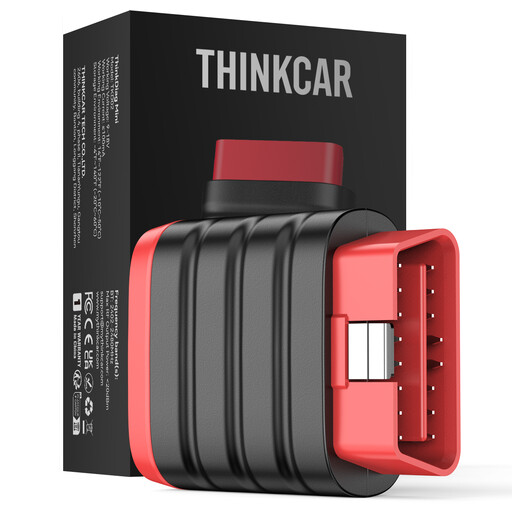
Why This Fits Their Persona: A compact phone-connected option for UK drivers who want full-system code access and battery voltage checks without carrying a tablet.
It states full-system diagnostics and lifetime free updates, while clearly excluding maintenance resets and special functions.
Bluetooth 5.0, iOS and Android support, VIN auto-detection and live data.
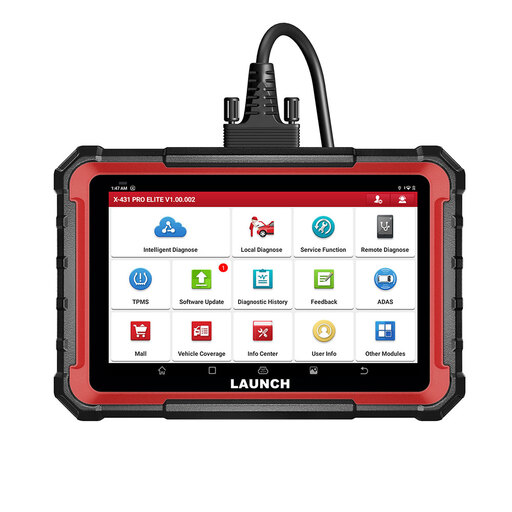
Why This Fits Their Persona: Its larger tablet format suits independent garages, mobile mechanics and enthusiasts who need reports, guided functions and workshop-oriented controls.
The listing separates included updates from optional accessories and notes that coding and tests depend on the vehicle.
CAN FD and DoIP support, ECU coding, active tests and more than 30 listed reset services.
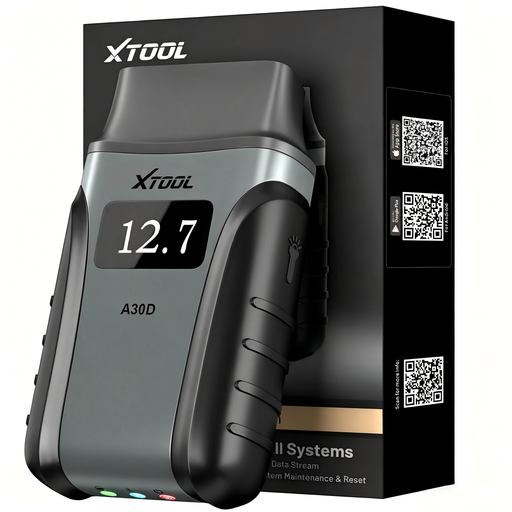
Why This Fits Their Persona: A practical choice for users carrying out servicing, component checks and relearn procedures across several vehicles.
It lists the included 19 reset functions and explains that availability varies by make, model and year.
Bidirectional active testing, CAN FD support, FCA AutoAuth compatibility and wireless phone connection.
We have compiled a complete, real-time list of products that fully satisfy these strict selection criteria and UK safety regulations.
Not necessarily. A DIY car diagnostic tool with code reading, live data and selected resets may suit routine checks. Choose a full-system or bidirectional tool only if you need access to additional modules or component testing.
Check the product’s power-management design. Some models include an auto-sleep mode, while others should be unplugged after use to reduce the risk of battery drain. Follow the supplied instructions, particularly if the vehicle is parked for long periods.
Lifespan depends on storage, handling, app support and software availability. A scanner with free updates can remain useful for longer, but compatibility still depends on the vehicle. Keep the device dry, avoid extreme temperatures and confirm that your phone or tablet meets the app requirements.