
24/7 全天候客户支持

免费退货

当日/次日达

品质保障

开启新人专享福利: 全场免邮 | 低至 2 折 | 免费试用 30 天 JoyPlus 会员
下载 Joybuy
That unexpected warning light on your dashboard can be a source of real frustration. It often means a choice between a costly trip to the garage or trying to decipher cryptic fault codes. A modern car diagnostic tool puts the power back in your hands, allowing you to understand what’s happening under the bonnet. However, the market is filled with options, from basic readers to complex professional systems.
This guide is designed to help you navigate the choices. We’ll break down the key features to look for and highlight some practical options for UK drivers, whether you’re a keen DIY enthusiast, a home mechanic or running a professional workshop. Our focus is on capable tools that offer excellent value, particularly those that come with lifetime free updates to help you avoid ongoing subscription costs.
Choosing the right device depends on your needs and the vehicles you work on. Here are a few key considerations to keep in mind.
The most basic devices are simple car fault code readers that only access the engine control unit (ECU) via the On-Board Diagnostics (OBD2) port. While useful for simple issues, modern cars have dozens of electronic systems for brakes (ABS), airbags (SRS), transmission and body control modules (BCM). For comprehensive fault finding, you need an all system diagnostic tool that can communicate with all of them, giving you a complete picture of the vehicle's health.
For more advanced work, look for a bi-directional scan tool. This feature allows the scanner to send commands to the vehicle's components to test their operation. For example, you can command the cooling fan to turn on or test an injector without having to physically remove parts. This dramatically speeds up troubleshooting.
Equally important is a capable vehicle service reset tool. This functionality allows you to perform common maintenance tasks yourself, such as resetting the oil service light, recalibrating the steering angle sensor, performing an electronic parking brake service or registering a new battery.
Vehicle software is constantly evolving. A car scanner with lifetime updates ensures your tool remains compatible with newer models and receives new features without you having to pay an annual subscription fee. This is a critical factor for long-term value, saving you hundreds of pounds over the life of the device.
Here are our recommendations for car diagnostic tools that balance features, usability and long-term value.
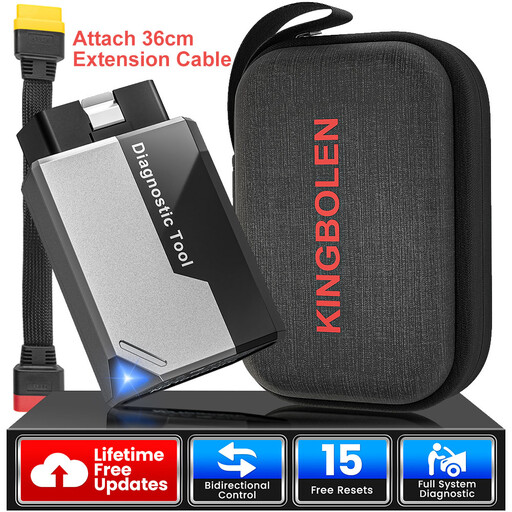
Why It Stands Out The KINGBOLEN Ediag Elite transforms your smartphone into a powerful diagnostic device. This pocket-sized OBD2 scanner connects via Bluetooth, offering a convenient and portable solution without compromising on capability. It provides lifetime updates for its core diagnostic and service functions, making it a cost-effective choice for long-term use.
Pros
Who is it for? This tool is ideal for car DIY enthusiasts and home mechanics who want advanced diagnostic power in a compact, easy-to-use format. It's also a great backup or secondary tool for mobile technicians.
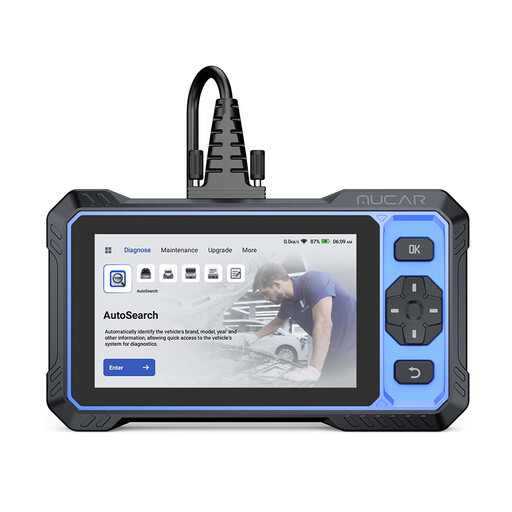
Why It Stands Out The MUCAR 682 is a robust, all-in-one handheld scanner with a clear 6-inch touchscreen. It offers OE-level diagnostics, meaning it can access vehicle systems with a depth similar to manufacturer-specific tools. The inclusion of AI-powered diagnostics provides helpful suggestions to streamline troubleshooting and it also comes with lifetime free updates.
Pros
Who is it for? This is an excellent choice for the serious home mechanic or small-to-medium-sized garage operator who needs a powerful, standalone professional car scanner without the commitment of subscription fees.
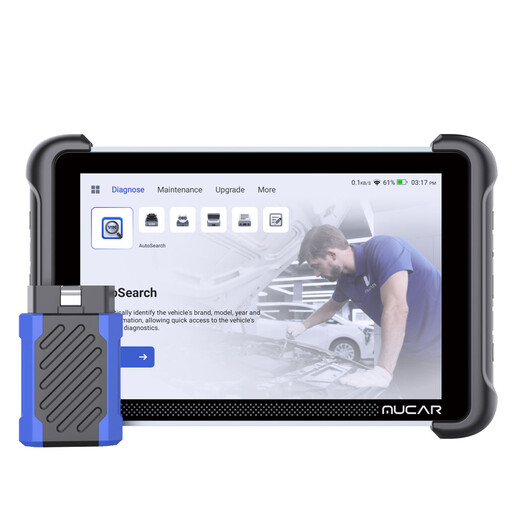
Why It Stands Out The MUCAR 892BT is a professional-grade diagnostic platform designed for maximum capability and future-proofing. It features advanced ECU coding, allowing you to modify vehicle parameters or code new modules. Its 8-inch touchscreen, massive vehicle coverage and support for the latest CAN-FD & DoIP protocols make it a formidable tool for any workshop. The lifetime free updates are a significant benefit at this professional level.
Pros
Who is it for? This tool is aimed at professional technicians and garages that require a comprehensive, expandable and highly capable diagnostic system to handle a wide variety of modern vehicles without incurring annual software licence fees.
The tools highlighted here represent a great balance of features and value, but every user's needs are different. If you're looking for a different set of features or a tool tailored to a specific budget, there are many other options to consider.
Explore our full range of diagnostic tools to find the perfect match for your garage. Browse the complete OBD vehicle diagnostic scanner category on Joybuy UK
OBD1 (On-Board Diagnostics 1) was an early system used on vehicles before the mid-1990s. It was manufacturer-specific, meaning each brand had its own unique connectors and codes. OBD2 is a standardised system implemented on most petrol cars sold in the UK and EU from 2001 (and diesel from 2004). It uses a universal 16-pin connector and a standard set of fault codes, making it much easier for universal scan tools to communicate with the vehicle.
When used correctly, a reputable diagnostic tool will not damage your car's ECU. These tools are designed to communicate with the vehicle using established protocols. The risk comes from using very cheap, low-quality clones or attempting advanced functions like ECU coding without fully understanding the process. Always follow the tool's instructions and ensure your car battery has a stable voltage during any programming or coding procedures.
No, they do not. While many high-end diagnostic brands operate on a subscription model for software updates, a growing number of manufacturers, like those featured here, offer high-quality professional car scanners with lifetime free updates. This model provides significant long-term savings and is a key factor to consider when making a purchase.