
24/7 Customer Support

Free returns

Same-day & Next-day Delivery

Quality Guaranteed

Unlock Your Welcome Offers: FREE Delivery | Up to 80% OFF | Free 30-day JoyPlus trial
Download the APP
A car diagnostic tool can be useful for checking warning lights, reviewing live data and confirming whether a repair has resolved a fault. However, choosing the right model is not simply a matter of counting features on the box. UK vehicle owners can easily pay for functions that do not work with their car, require an additional subscription or are too advanced for their intended use.
Before buying an OBD2 scanner, check three areas carefully: vehicle compatibility, the actual diagnostic functions included and the ongoing cost of software updates.
A basic car code reader may only access the engine control unit. A full-system diagnostic tool can potentially communicate with modules such as the transmission, ABS, SRS, body control and TPMS systems. However, coverage still depends on the vehicle’s make, model, engine, year, gateway security and available software.
Likewise, a tool advertising ECU coding, active testing or injector coding may only provide those functions for selected vehicles. Always check the VIN or request model-specific confirmation before ordering.
“Lifetime free updates” normally refers to software updates, but it does not always mean every reset or vehicle software package is included. Some tools provide basic OBD2 functions indefinitely while charging separately for advanced maintenance menus.
Check whether the purchase includes:
The included functions can also vary by vehicle, even when the tool itself supports them.
A Bluetooth OBD2 scanner is convenient for driveway checks and mobile work, but it depends on a compatible app, phone operating system and reliable wireless connection. Some adapters require account registration or activation codes. You may also need sufficient phone storage for vehicle software packs.
A dedicated tablet avoids some of these issues, but costs more and takes up more room in a toolbox. Consider how often you will use the device before paying for hardware you may not need.
For UK buyers, confirm that the scanner supports OBD2/EOBD protocols and the 16-pin diagnostic socket fitted to your vehicle. Petrol and diesel vehicles can differ in emissions-related communication, while newer models may use additional secure gateways.
A tool supporting CAN FD or DoIP may offer wider compatibility with newer vehicle networks, but these protocols do not guarantee access to every module. FCA vehicles may also require a separate AutoAuth account or approved gateway access for certain operations.
A four-system tool generally focuses on engine, transmission, ABS and SRS. That can be sufficient for warning-light checks and routine DIY maintenance.
A full-system vehicle diagnostic scanner is more suitable if you work on several vehicles or need access to body control, air conditioning, TPMS, steering, battery and other modules. Look for features such as:
These functions support diagnosis, but clearing a code does not repair the underlying fault.
A vehicle service reset tool may cover oil reminders, electronic parking brakes, battery registration, steering-angle calibration and TPMS resets. More advanced equipment may add ABS bleeding, DPF regeneration, throttle relearning and injector coding.
A bi-directional scan tool can send commands to supported vehicle components, such as cooling fans, windows or fuel injectors. Use active tests carefully and follow the vehicle’s service procedure. ECU coding and module programming can fail if battery voltage drops, so a suitable battery maintainer may be necessary.
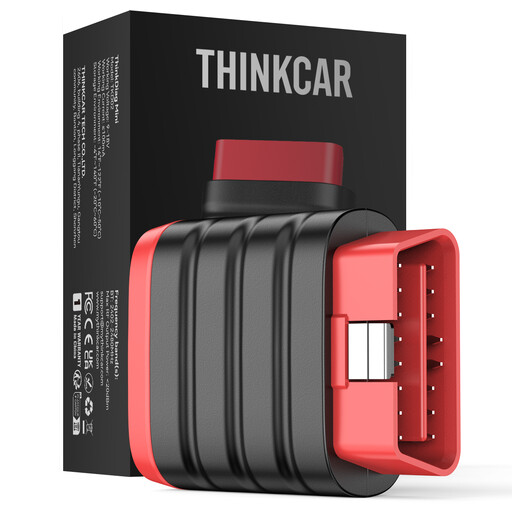
Why This Fits Their Persona: A compact phone-connected option for drivers who mainly need code reading, clearing, live data and basic vehicle checks at home.
The listed functions are clearly focused on full-system scans, DTCs, live data, battery voltage and VIN detection rather than claiming broad reset coverage.
Bluetooth 5.0, iOS and Android support, 22 languages and lifetime free updates are listed. Maintenance resets and special functions are not included.
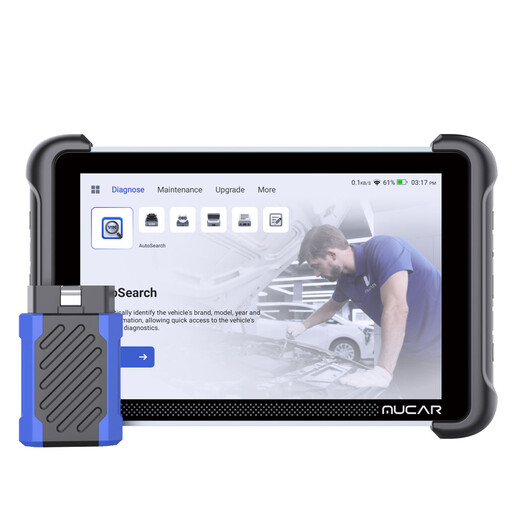
Why This Fits Their Persona: A tablet-based automotive scan tool for independent garages, advanced home mechanics and users who want a larger display.
It specifies CAN FD, DoIP, ECU coding and bi-directional control, while noting that functions depend on the vehicle.
The package includes an 8-inch touchscreen, magnetic VCI, more than 34 listed service functions and lifetime free updates.
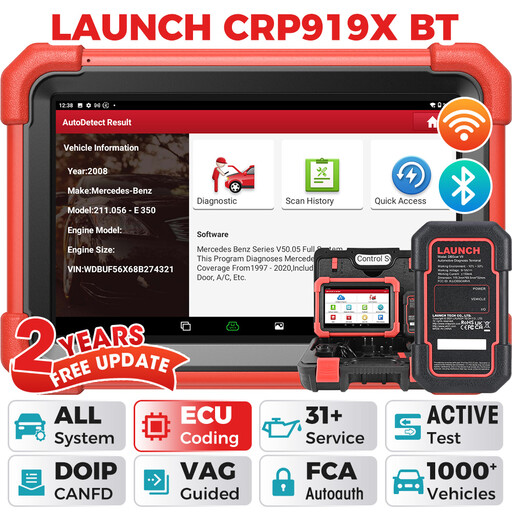
Why This Fits Their Persona: Suitable for mobile mechanics and workshops needing wireless full-system diagnostics, active tests and a wide service menu.
The listing separates two years of free updates from other access requirements and identifies AutoAuth, CAN FD and DoIP support.
Features include all-system diagnosis, 31 reset services, ECU coding, active tests, Bluetooth VCI and a 7-inch tablet.
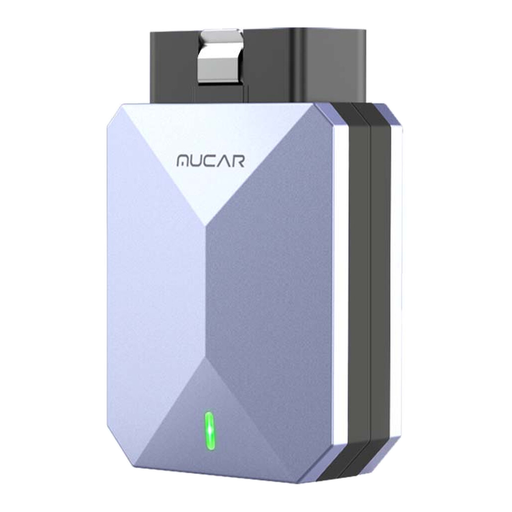
Why This Fits Their Persona: A portable Bluetooth option for checking several cars, reviewing live data and handling selected maintenance tasks.
The listing identifies vehicle-dependent coverage and notes that FCA AutoAuth may require separate authorisation.
It offers CAN FD, full-system scanning, bi-directional control, 15-plus reset functions and lifetime free updates.
We have compiled a complete, real-time list of products that fully satisfy these strict selection criteria and UK safety regulations.
Before placing an order, confirm:
No. Compatibility depends on the vehicle’s protocol, control modules, software coverage and security gateway. Basic emissions-related OBD2 functions may be widely supported, while full-system scans, resets and coding are more vehicle-specific. Check the VIN before buying where possible.
Some provide lifetime free updates, while others include only a limited update period or charge for advanced software. Read the product terms carefully and distinguish between app access, vehicle software updates and individual service functions.
Not necessarily. A compact adapter may be adequate for reading codes and viewing live data. A tablet-based tool becomes more useful when you need full-system diagnostics, active tests, ECU coding, multiple service resets or workshop reports. Choose according to the vehicles and procedures you actually handle.