
24/7 Customer Support

Free returns

Same-day & Next-day Delivery

Quality Guaranteed

Unlock Your Welcome Offers: FREE Delivery | Up to 80% OFF | Free 30-day JoyPlus trial
Download the APP
Choosing car diagnostic tools and automotive accessories can save time, reduce avoidable garage visits and make routine maintenance more manageable. However, product listings often emphasise headline figures while leaving out compatibility, operating limits and ongoing costs.
Whether you maintain a family car, run an electric vehicle or work on vehicles professionally, three common traps deserve attention:
For a car diagnostic scanner, check the supported communication protocols, operating system and vehicle coverage rather than relying only on phrases such as “all systems”. A basic OBD2 scanner may read and clear engine fault codes, while a more advanced unit can display live data, access additional control modules or perform active tests.
Bluetooth models must also work with your phone. Confirm whether the app supports your version of iOS or Android, whether updates are free, and whether the advertised functions apply to your vehicle’s make and model.
The same principle applies to replacement parts. Windscreen wipers must match the blade lengths, mounting mechanism, vehicle generation and right-hand-drive configuration. LED headlight bulbs require the correct bulb size, beam pattern and electrical compatibility. A CANbus decoder may be needed for some vehicles, and fitting a bulb does not automatically make it road-legal.
For a tyre inflator, useful specifications include maximum pressure, pressure display accuracy, power source and automatic shut-off. A cordless model is convenient for roadside use, but its battery will eventually need charging. A 12V inflator can provide extended use from the vehicle, although the engine may need to run to avoid excessive battery drain.
Cordless car polishers should be judged by battery capacity, speed control, backing-plate size and movement type. A dual-action or orbital machine is generally easier to control for general paint care, while rotary operation requires more care because heat can build up quickly. Keep the pad moving, use suitable compounds and follow the manufacturer’s safety guidance.
When choosing an EV charging cable or portable EV charger, confirm the connector type, maximum current, cable length and vehicle’s onboard charging capacity. A Type 2 cable is widely used with European electric vehicles and plug-in hybrids, but it is not compatible with every charging standard.
A portable charger using a UK three-pin plug should be connected only to a suitable socket and used according to its instructions. Look for practical protections such as earth detection, temperature monitoring, overcurrent protection and an appropriate ingress rating. Do not use extension leads or damaged sockets unless the manufacturer specifically permits it, and consult a qualified electrician where a domestic installation needs checking.
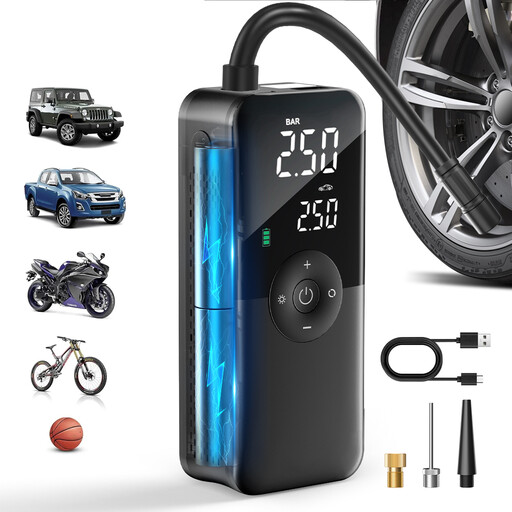
Why This Fits Their Persona: A compact cordless option for drivers who want a straightforward car care tool for occasional top-ups at home or on the road.
Its wireless design avoids dependence on a 12V socket, while the stated car, bicycle and motorcycle use gives it broader practical use.
Cordless handheld format and fast-charging specification; suitable for several vehicle and cycle types.
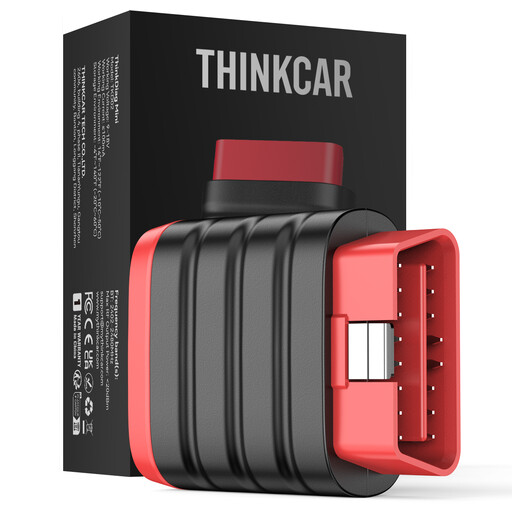
Why This Fits Their Persona: Suitable for home mechanics wanting phone-based access to full-system scans without carrying a large workshop tablet.
The listing identifies Bluetooth connection, supported mobile operating systems and communication protocols, helping buyers check suitability before purchase.
Supports full-system scans, fault-code reading and live data; the stated lifetime free update service avoids a recurring update charge.

Why This Fits Their Persona: A cordless detailing machine for car detailers and DIY users working on larger areas who value adjustable speed and replacement batteries.
The six speed levels and soft-start function provide more control than a single-speed machine, while the cooling system is specified for overload and heat management.
Two 5Ah batteries, 2,000–4,500 RPM range and an 8mm eccentric movement; includes a 125mm polishing sponge.
We have compiled a complete, real-time list of products that fully satisfy these strict selection criteria and UK safety regulations.
Yes, a Bluetooth OBD2 scanner can suit home users who want to read fault codes, view live data or check battery voltage. It will not replace professional diagnosis in every situation, and clearing a code does not repair the underlying fault. Always check vehicle coverage and app requirements before buying.
The electricity cost depends on the energy added, your tariff and charging losses. A 2.3kW charger adds energy more slowly than a higher-rated home charger, but may be useful for travel or occasional top-ups. Off-peak charging can reduce the tariff cost where your electricity plan supports it.
Replacement intervals vary. Inspect windscreen wipers when they leave streaks, chatter or visible splits. Tyre inflators need battery, hose and cable checks before use. Polishing pads should be replaced when worn or contaminated. Diagnostic tools should be kept updated where software support is provided, while safety tools should remain clean, accessible and undamaged.