
24/7 Customer Support

Free returns

Same-day & Next-day Delivery

Quality Guaranteed

Unlock Your Welcome Offers: FREE Delivery | Up to 80% OFF | Free 30-day JoyPlus trial
Download the APP
A warning light on the dashboard and an alarm chirping at night create the same shopping problem: it is easy to buy a product that sounds capable but does not suit your vehicle, property or daily routine. Car diagnostic tools and home safety alarms also involve different standards, installation needs and running costs, so comparing headline features alone can lead to wasted money.
This guide from the Joybuy Product Recommendation Officer focuses on practical checks rather than marketing language, covering vehicle scanners, smoke and carbon monoxide alarms, heat detection and smart monitoring devices.
An entry-level vehicle fault code reader may only retrieve engine-related codes. That can be useful for a basic check-engine warning, but it may not communicate with systems such as ABS, SRS, transmission or body electronics.
Before buying, check whether the device provides:
“AI car diagnostics” can also mean different things. Some devices only display a fault-code definition, while others provide app-based explanations or guided questions. Treat AI guidance as an aid to understanding data, not as a substitute for safe repairs or a qualified technician.
A low initial price may not show the complete ownership cost. Some Bluetooth OBD2 scanners charge for software updates, additional vehicle brands or advanced service functions. Check whether updates are free, limited by time or tied to a number of vehicles.
For occasional checks on a family car, an OBD2 scanner with a one-off purchase model may be easier to budget for. Workshops and used-car buyers should also check whether the device can store reports, scan multiple vehicles and operate independently of a mobile phone.
A smoke alarm, carbon monoxide detector and heat alarm perform different jobs:
A product’s stated service life is not the same as a guarantee that it will suit every installation. Check the instructions for positioning, testing, cleaning and replacement. Landlords and property managers should also confirm the relevant requirements for the property’s location and consult current UK fire-safety guidance.
A full-system car diagnostic tool should identify the electronic control units it can access. For more involved fault-finding, a bi-directional OBD scanner can send commands to selected vehicle components for active tests. This is different from merely reading stored codes and is more relevant to DIY mechanics, technicians and workshops.
Useful functions may include live data, freeze-frame information, battery-voltage readings, actuator tests and service resets. However, availability can vary by vehicle, software version and system, so do not assume every listed function works across all supported brands.
For smoke alarms, look for reference to EN 14604 where appropriate. For carbon monoxide alarms, EN 50291 is the relevant standard shown by several products in this selection. Certification information should be checked on the product listing and packaging rather than inferred from a seller’s general description.
A 10-year battery alarm can reduce routine battery changes, but the entire unit may still need replacing at the end of its stated service life. Replaceable-battery models can offer a different maintenance pattern. A heat alarm should not be used as the only life-safety alarm in bedrooms or escape routes.
A wireless alarm may be easier to position, but app-connected devices depend on Wi-Fi, compatible applications and phone notifications. A smart motion sensor can trigger lights or send an alert, but it is not a replacement for a smoke or CO alarm.
For vehicle tools, consider whether you prefer a handheld scanner with its own screen or a Bluetooth OBD2 scanner that uses iOS or Android. Confirm the app, operating system, pairing process and whether the device should be unplugged after use.
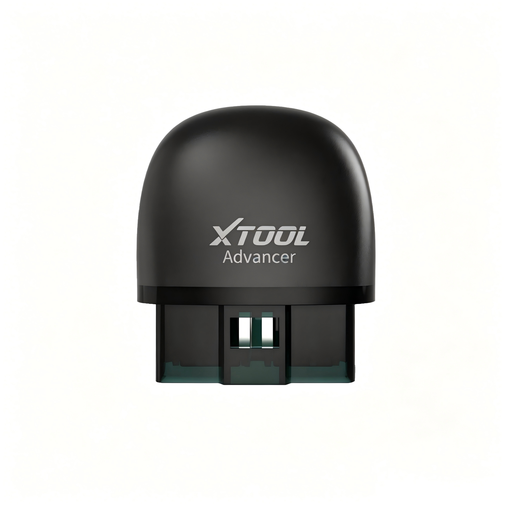
Why This Fits Their Persona: A compact wireless option for everyday drivers, DIY owners and used-car buyers who want to scan more than the engine without committing to a recurring subscription.
It lists full-system scanning, CAN FD support and no subscription for standard diagnostics, helping buyers check ongoing costs before purchase.
Wireless BT 5.0 connection, oil reset, battery testing, AutoVIN and app-based live data.
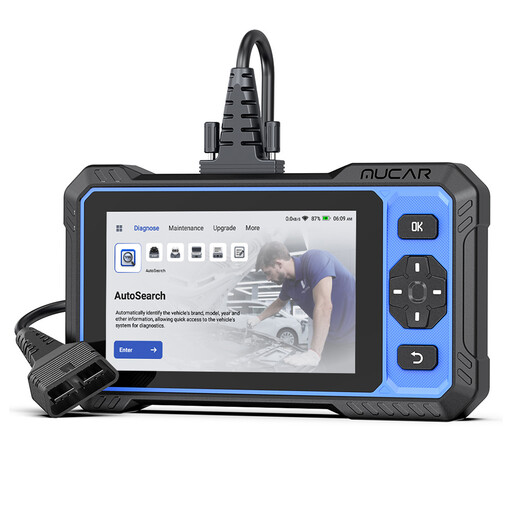
Why This Fits Their Persona: Its handheld format and broader workshop-oriented functions suit advanced enthusiasts, automotive technicians and small vehicle workshops.
The listing specifies 4-system diagnostics, bi-directional control, 15 service resets and lifetime free updates rather than presenting a basic code reader as a workshop tool.
6.2-inch touchscreen, CAN FD and FCA AutoAuth support, plus oil reset, DPF, BMS and injector coding functions.
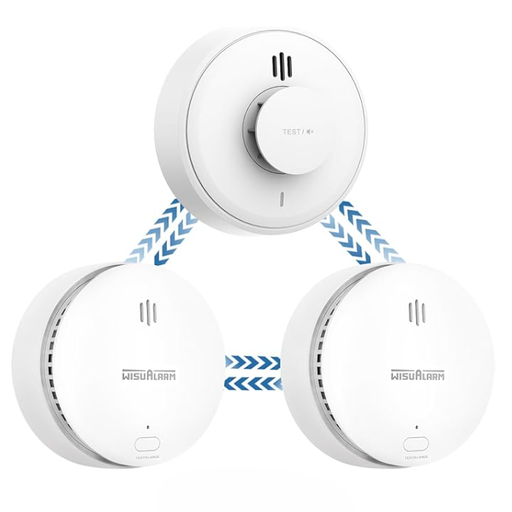
Why This Fits Their Persona: A practical option for households, landlords and property managers needing smoke and heat coverage across multiple rooms.
It combines two smoke alarms with one heat alarm, so buyers can use heat detection in areas where smoke alarms may be prone to nuisance alerts.
Pre-linked wireless units, 10-year battery life, EN14604 and BS 5446-2 references, with adhesive and screw installation options.
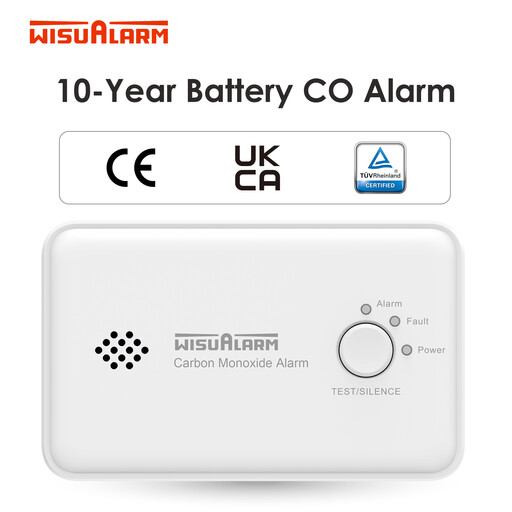
Why This Fits Their Persona: Suitable for homeowners, tenants and families looking for a straightforward indoor CO alarm near fuel-burning appliances or sleeping areas.
The listing clearly states that it detects carbon monoxide only, not natural gas or methane, reducing the risk of buying it for the wrong hazard.
EN50291 reference, 85dB alarm at 3 metres, test/silence button and included lithium battery.
We have compiled a complete, real-time list of products that fully satisfy these strict selection criteria and UK safety regulations.
Not necessarily. A basic OBD2 scanner may be sufficient for reading engine fault codes and checking live data. Choose a full-system model if you need access to ABS, SRS, transmission or body modules, or if you perform maintenance beyond routine checks.
The stated period normally refers to the battery, sensor or complete unit according to the product design. Follow the manufacturer’s instructions, test the alarm regularly and replace the entire device when its service life ends.
No. A heat alarm is designed for locations where smoke alarms may produce nuisance alerts, such as kitchens or garages. It should not replace smoke alarms in bedrooms, hallways or other areas requiring early smoke detection.