
24/7 Customer Support

Free returns

Same-day & Next-day Delivery

Quality Guaranteed

Unlock Your Welcome Offers: FREE Delivery | Up to 80% OFF | Free 30-day JoyPlus trial
Download the APP
A flat tyre, weak battery or poorly organised boot can turn a routine UK journey into a long wait at the roadside. The right car emergency equipment can help you deal with minor problems more efficiently, but buying based only on a large pressure figure or impressive peak current can lead to wasted money.
As the Joybuy Product Recommendation Officer, I focus on practical specifications rather than promotional language. Here are the common buying traps to avoid, followed by equipment choices matched to different driving needs.
A portable tyre inflator may display a maximum pressure of 150 or 160 PSI, but most everyday car tyres require considerably less. The more useful questions are whether it has a clear pressure gauge, automatic shut-off, a suitable power source and enough operating time for your vehicle.
Similarly, a car jump starter with a high peak-current figure still needs to be charged and correctly connected. Check its compatible petrol and diesel engine sizes, battery condition requirements and safety instructions before relying on it.
A compact inflator may suit a hatchback or motorcycle but be inconvenient for a large SUV, pick-up, caravan or trailer. Cable length, hose length, battery capacity and inflation speed all affect usability.
For a hydraulic bottle jack, the stated lifting capacity is not the only consideration. You must also check the vehicle’s weight, approved jacking points and the jack’s minimum and maximum height. A jack is for lifting, not for supporting a vehicle while you work underneath it; use suitable axle stands on firm, level ground.
Lithium-powered equipment can lose charge while stored, especially in a vehicle exposed to cold winters and warm summer interiors. External TPMS sensors also require battery replacement, while pumps need their hoses, connectors and power leads checked periodically.
Keep equipment dry, inspect it before long journeys and follow the manufacturer’s storage guidance. An item left unused in the boot for months may not be ready when required.
For a jump starter, compare the rated or starting current, peak current and stated engine compatibility. The BUTURE beta01, for example, is listed with a 3,500A peak current and compatibility up to 8.5-litre petrol or 8.0-litre diesel engines. It also includes reverse-connection, short-circuit and overcharge protection.
These features do not remove the need to identify the positive and negative terminals correctly. Switch off unnecessary vehicle electronics, make secure connections and remove the clamps promptly after the engine starts.
A portable tyre inflator or car air compressor should match the vehicle’s recommended pressure, which is normally shown on the driver’s door placard, fuel flap or in the handbook. Look for:
A 150 PSI maximum rating is not proof of fast inflation. For larger tyres, a dual-cylinder pump or higher airflow specification may be more practical.
A tyre pressure monitoring system or TPMS for cars can display pressure and temperature, but external sensors must be fitted securely and kept within their stated transmission range. Check whether the system suits four tyres, a trailer or a longer vehicle.
For a hydraulic bottle jack, compare capacity and lifting range with your vehicle. A 6-ton model with a 207–402mm lifting range may suit some SUVs, pick-ups and light trucks, but the correct fit still depends on the manufacturer’s jacking points.
Finally, a car boot organiser should fit the boot or rear seat without obstructing visibility, passengers or safety equipment. Secure heavier items so they cannot move during braking.
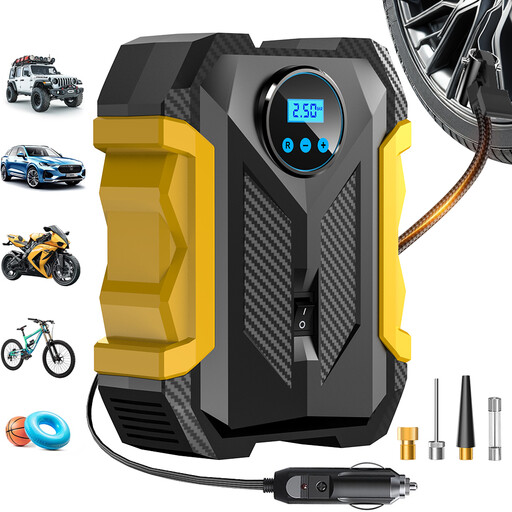
Why This Fits Their Persona: A straightforward option for commuters and new drivers who want a compact roadside tool for routine tyre pressure top-ups.
It is powered from a 12V socket and includes a digital display, making the practical operating details clearer than relying on a headline pressure figure alone.
150 PSI specification, digital pressure setting, LED light and suitability for cars, motorcycles and bikes.
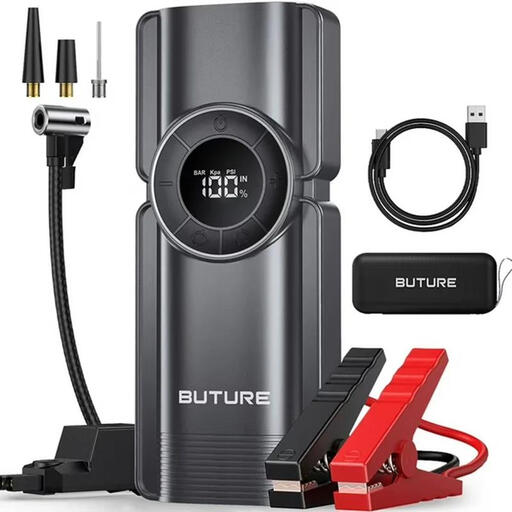
Why This Fits Their Persona: Suitable for long-distance motorists, family vehicles and drivers who prefer one compact unit for several roadside tasks.
Its display shows battery and output status, while the smart clips provide stated reverse-connection and short-circuit protection.
3,500A peak current, 150 PSI preset air pump, USB charging, SOS lighting and a supplied storage case.
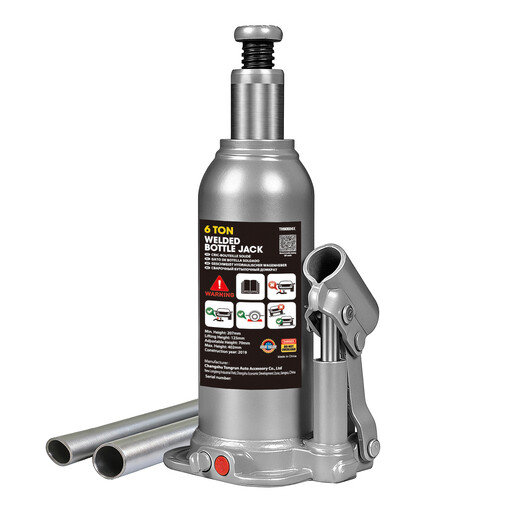
Why This Fits Their Persona: Designed around heavier SUVs, pick-ups and light trucks where a compact scissor jack may not provide the required capacity or lifting range.
The 6-ton rating and 207–402mm lifting range are stated clearly, allowing buyers to compare them with the vehicle’s requirements before purchase.
Forged steel base, chrome-plated piston rod, adjustable safety overflow valve and non-slip saddle.
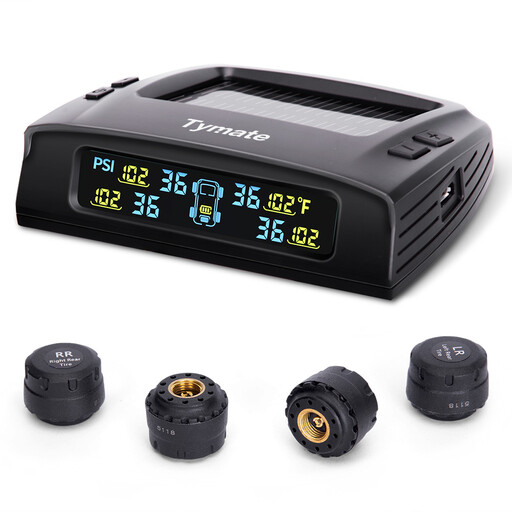
Why This Fits Their Persona: A practical match for SUV, caravan, RV and trailer users who want pressure and temperature information while travelling.
It specifies four external sensors, a 0–116 PSI range and a vehicle-length suitability of up to 20 feet, helping buyers assess fit before installation.
LCD colour display, pressure and temperature readings, automatic wake-up and replaceable CR1632 sensor batteries.
We have compiled a complete, real-time list of products that fully satisfy these strict selection criteria and UK safety regulations.
Depending on how you maintain and use your vehicle, consider adding:
A sensible starting kit includes a charged jump starter or jump leads, tyre inflator, pressure gauge or TPMS, torch, reflective vest, warning triangle, gloves and basic roadside tools. Choose equipment according to your vehicle type and typical journeys.
Follow the product instructions. The BUTURE beta01 guidance recommends maintaining approximately 50% charge during extended storage and completing a charge/discharge cycle every three to four months. Check the charge before long trips and after use.
A 12V or rechargeable inflator uses electricity from the vehicle or its internal battery, so its direct running cost is generally limited. However, inflation speed, battery charging and cooling requirements vary. Use the vehicle’s recommended pressure and avoid repeatedly running a small pump beyond its intended duty cycle.