
24/7 Customer Support

Free returns

Same-day & Next-day Delivery

Quality Guaranteed

Unlock Your Welcome Offers: FREE Delivery | Up to 80% OFF | Free 30-day JoyPlus trial
Download the APP
A flat battery, slow puncture or unsuitable jack can turn an ordinary journey into an expensive roadside problem. The right car emergency tools can help you deal with minor issues more confidently, whether you drive a small hatchback, SUV, van, 4x4 or light truck.
However, product listings often highlight impressive numbers without explaining what they mean in everyday use. Before buying a portable car jump starter, car battery booster, tyre inflator or car jack, check compatibility, capacity and safe operating limits rather than relying on one headline specification.
A jump starter advertised with a high peak-current figure may still be unsuitable for your vehicle. The important checks are:
For example, a 12V jump starter may not be suitable for a 24V vehicle. A model rated for petrol engines may also have different limits for diesel engines, so read the product specification before purchase.
A high maximum pressure does not automatically mean rapid inflation. Look for a clearly stated pressure range, suitable valve adaptors, a readable display and an automatic stop function. A portable tyre pump should also be stored where it can be accessed without unpacking the entire boot.
Use the tyre pressure listed in your vehicle handbook, fuel-filler flap or door-frame label. The maximum pressure shown on the tyre sidewall is not necessarily the recommended driving pressure.
A hydraulic floor jack is intended to lift a vehicle, not to support it while you work underneath. Once raised, the vehicle should be positioned on correctly rated car jack stands placed at the manufacturer’s approved support points.
Check the jack’s minimum height, maximum lift, rated capacity and the type of surface required. Never rely on a trolley jack alone for under-vehicle work, and never exceed the rated load.
A 12V car jump starter should match the vehicle’s engine type and stated capacity. A portable unit with integrated cables, polarity protection and short-circuit protection can reduce setup mistakes, but these features do not replace careful connection.
A typical connection sequence is:
Fully charge the unit before storing it. Check its charge level periodically, particularly before winter journeys or long-distance travel.
A jump starter with air compressor can save space by combining two functions. Check whether it includes an auto-stop setting and whether the supplied hose and adaptors suit your vehicle.
A 150 PSI maximum figure is a product limit, not a target for ordinary car tyres. For UK motorists, the useful features are accurate pressure selection, simple controls, an illuminated display and enough battery capacity to inflate a tyre without frequent recharging.
A car jack must be compatible with both the vehicle’s weight and its clearance. Low-profile models are useful for cars with limited ground clearance, while taller lifting equipment may be more practical for SUVs and 4x4s.
For heavier vehicles, consider the complete setup:
The TCE stands listed below have an adjustable height range of 388–580 mm, welded steel construction and a stated 6-tonne actual load capacity. The product description also lists EN 1494 safety certification for each pair. Certification details should still be checked against the supplied documentation before use.
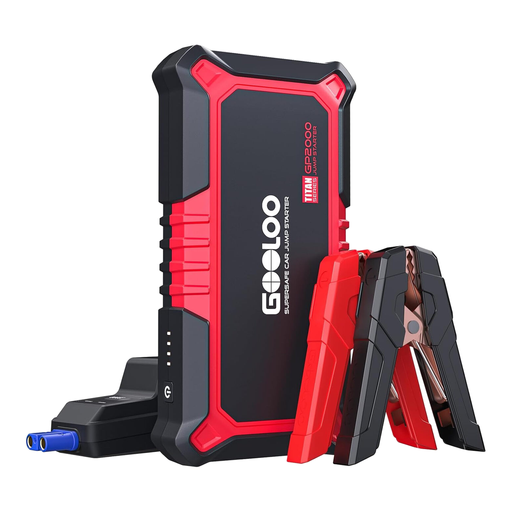
Why This Fits Their Persona: A compact option for everyday UK drivers who want a jump box for a car, motorcycle, SUV or van without carrying separate emergency electronics.
Its stated compatibility covers 12V vehicles up to 8.0L petrol or 6.0L diesel, while the specification lists multiple protection functions including reverse polarity and short-circuit protection.
2000A peak current, USB power-bank outputs, LED light and a stated 24-month standby time.
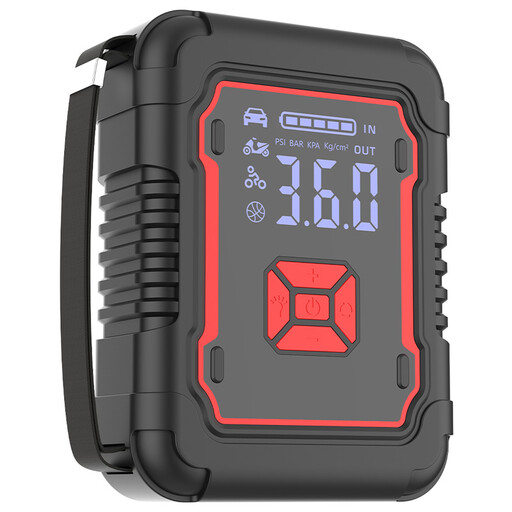
Why This Fits Their Persona: Suitable for motorists wanting one portable unit for battery starting, tyre inflation, device charging and emergency lighting on commuting or touring trips.
The listing identifies 12V petrol and diesel compatibility and gives separate battery, air-pressure and charging specifications rather than only describing it as a universal tool.
3000A peak current, 20,000mAh stated battery capacity, 150 PSI compressor with auto stop and three LED modes.
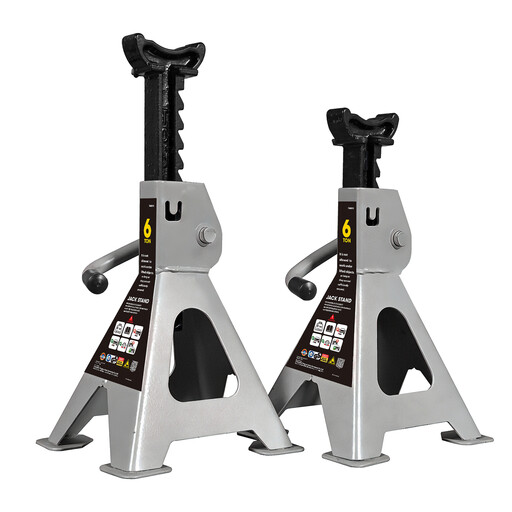
Why This Fits Their Persona: Designed for workshop users, SUV and 4x4 owners, light-truck drivers and campervan maintenance where a higher support range is required.
The listing states an actual 6-tonne capacity, 388–580 mm adjustable height and EN 1494 certification, helping buyers compare support equipment using defined specifications.
Welded steel and cast-iron ratchet construction, adjustable height and rubber saddles for lifting-point protection.
For home servicing, the LARBANKE 3 Ton Car Jack with Dual Pistons has a stated 73–500 mm lifting range, 3-tonne capacity, dual-piston pump and four-wheel movement. Its low-profile design may suit vehicles with reduced clearance, but it should always be paired with correctly rated supports during repairs.
We have compiled a complete, real-time list of products that fully satisfy these strict selection criteria and UK safety regulations.
A practical roadside emergency kit can include a 12V jump starter, tyre inflator, pressure gauge, warning triangle, reflective clothing, torch, gloves, basic tools and a phone charging cable. Check that each powered device is charged and stored securely.
No. Confirm the vehicle voltage, fuel type and engine-size limit. The Wolfbox model listed here is specified for 12V vehicles with petrol engines up to 5.0L and is not suitable for diesel or 24V systems. Other models may have different limits.
Yes, for work where the vehicle must remain raised. A floor jack provides lifting support, but jack stands are intended to hold the vehicle in position. Use a level surface, follow the vehicle manufacturer’s lifting points and check the stands’ load rating before beginning work.