
24/7 Customer Support

Free returns

Same-day & Next-day Delivery

Quality Guaranteed

Unlock Your Welcome Offers: FREE Delivery | Up to 80% OFF | Free 30-day JoyPlus trial
Download the APP
Whether you're planning a family camping trip in the Lake District, enduring a long commute or operating a commercial vehicle, the convenience of a car fridge is undeniable. Having access to chilled drinks and fresh food on the move can transform any journey. However, the market is filled with options that look similar but perform very differently, leading to common and costly purchasing mistakes.
As a Joybuy Product Recommendation Officer, my role is to help you navigate the specifications and marketing claims to find a unit that genuinely suits your needs. Before you buy, be aware of these common pitfalls:
To avoid these issues, focus on a few key technical details. Understanding these will ensure you get a product that performs as expected.
This is the single most important factor determining performance and price.
A portable fridge is useless if it leaves you with a car that won't start.
Don't be swayed by litre numbers alone. Consider how you will use the unit.
To help you choose, we've matched some popular models to different user profiles, highlighting how they address the common pitfalls.
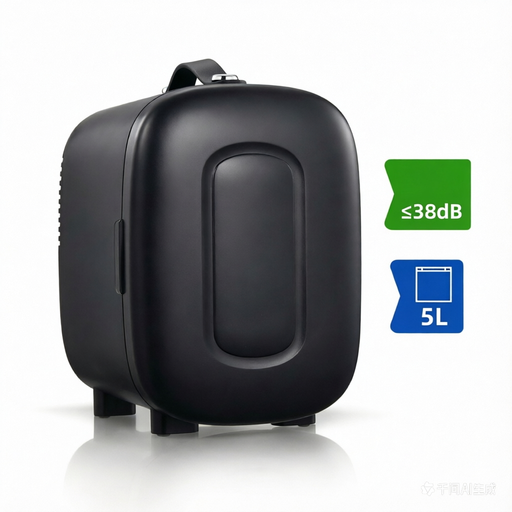
Why This Fits Their Persona: This compact thermoelectric unit is ideal for keeping a lunch cool or drinks chilled on the way to the office or a picnic. Its small footprint fits easily on a passenger seat, and the dual AC/DC power means you can pre-chill it at home before you leave. The warming function is a bonus for colder months.
This is an excellent electric cool box. By understanding it's a thermoelectric cooler, not a compressor fridge, you set the right expectations. It's designed to maintain the temperature of pre-chilled items, not to actively refrigerate from room temperature.
Versatility: Features both cooling and warming modes. Dual Power: Includes both AC mains and 12V DC car adapters for use anywhere.
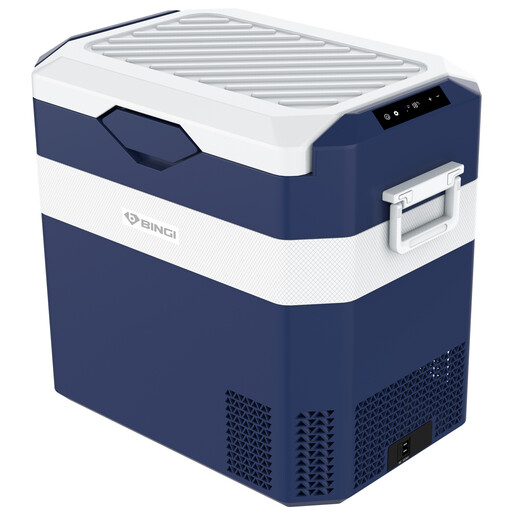
Why This Fits Their Persona: For a family heading to a campsite or touring in a campervan, reliable food storage is crucial. This 38L compressor car fridge offers a large, practical capacity and true freezer capability (down to -18°C), allowing you to store everything from milk to frozen sausages for days.
It completely avoids the "cooler vs. fridge" pitfall by using powerful compressor technology. It also includes the necessary power options (12V/24V DC and AC) and, crucially, battery protection to prevent draining your vehicle's power source.
True Freezing: Capable of reaching -18°C for genuine freezing. Large Capacity: The 38L interior is spacious enough for a family's needs on a multi-day trip.
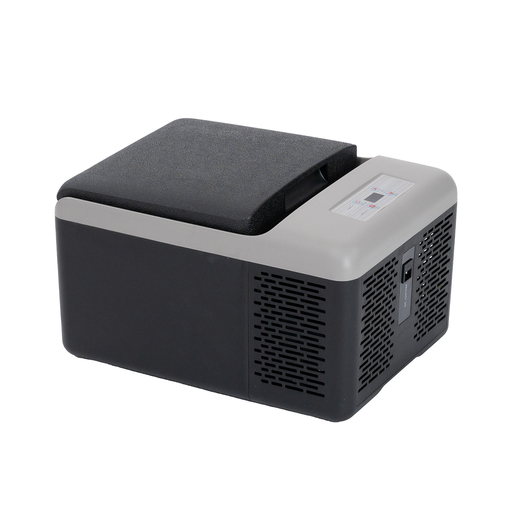
Why This Fits Their Persona: Lorry and van drivers need a reliable, compact and durable unit. The Alpicool C9PT is a small-footprint compressor car fridge that offers powerful freezing down to -20°C. Its shockproof design means it can handle bumpy roads, and the 3-level battery protection is essential for professionals who rely on their vehicle.
This model delivers true refrigeration in a compact form, avoiding the performance trap of a thermoelectric cooler. Its robust build and essential battery protection system are designed specifically for the rigours of daily, professional use.
Durable Design: Shockproof construction is built to withstand vehicle vibrations and tilts up to 45°. Compact Power: Offers deep freezing capability in a small, 9L package that fits easily in a cab.
We have compiled a complete, real-time list of products that fully satisfy these strict selection criteria and UK safety regulations.
The main difference is the cooling technology. A car fridge typically uses a compressor, allowing it to function like a home refrigerator and reach freezing temperatures regardless of the outside heat. An electric cool box uses thermoelectric technology, which can only cool to a certain number of degrees below the ambient temperature. Cool boxes are great for short trips, while compressor fridges are necessary for long-term, reliable cooling.
Yes, it can. This is why it is crucial to choose a model with a built-in battery protection system. A good portable fridge will have a multi-stage monitor that automatically shuts the unit off if it detects the vehicle's battery voltage has dropped to a critical level, ensuring you always have enough power to start your engine.
Yes, you can run a car fridge when the engine is off, provided it is connected to a live 12V socket. This is where battery protection becomes essential. For extended use without the engine running (e.g., overnight camping), many users opt for a separate leisure battery or a portable power station to avoid any risk to their vehicle's main battery.