
24/7 Customer Support

Free returns

Same-day & Next-day Delivery

Quality Guaranteed

Unlock Your Welcome Offers: FREE Delivery | Up to 80% OFF | Free 30-day JoyPlus trial
Download the APP
A reliable car fridge can transform any journey, from the daily commute to a week-long camping trip in the Scottish Highlands. Whether you're a lorry driver needing fresh meals on the road, a family heading to Cornwall or a camper exploring the Peak District, keeping food and drinks perfectly chilled is a game-changer.
However, the market is flooded with options and it's easy to make a costly mistake. Many buyers find their new gadget is little more than an expensive, noisy box that fails to keep a sandwich cool on a warm day. Before you invest, let's look at the common traps that catch out UK shoppers and how you can sidestep them.
The most frequent complaint stems from a misunderstanding of cooling technology. Many cheaper models, often marketed as an electric cool box or mini car fridge, are thermoelectric. These devices don't function like your kitchen fridge. Instead, they can only reduce the internal temperature by a set amount (e.g., 15-20°C) below the surrounding ambient temperature. On a hot August day, if your car's interior is 30°C, the cooler might only manage to get down to 10-15°C – not cold enough to safely store dairy or meat.
Nothing ruins a trip faster than a car that won't start. Many 12v fridge units draw continuous power from your vehicle's battery. Without a built-in low-voltage battery protection system, the fridge can easily drain your battery overnight or while you're parked for a few hours, leaving you stranded. This single feature is a non-negotiable for any powered cooler you intend to use when the engine is off.
A "20-litre" capacity sounds generous, but the number can be deceptive. The actual usable space is often compromised by bulky internal components, awkward shapes or the need to leave room for air circulation. You might find that a tall bottle won't stand upright or that the advertised capacity can only be reached by strategically packing a specific size of can. Always consider the internal dimensions and layout, not just the litre figure.
To choose the right portable fridge for your needs, focus on these core parameters.
This is the most critical decision you'll make.
compressor car fridge uses a refrigerant cycle, just like your home appliance. It can achieve and maintain a specific temperature, often from -20°C to +20°C, regardless of the outside heat. This technology is essential for anyone needing reliable, long-term food storage for a camping fridge or campervan fridge.12v cooler to keep drinks chilled and lunches fresh on day trips. Its performance is directly tied to the ambient temperature.Your travel fridge needs to be compatible with your vehicle and lifestyle.
Think about what you'll be storing.
mini car fridge can hold a few cans, snacks or skincare products. Perfect for a commuter or as a lorry fridge for daily essentials.We've filtered through the options to match different needs, focusing on models that address the common pitfalls.
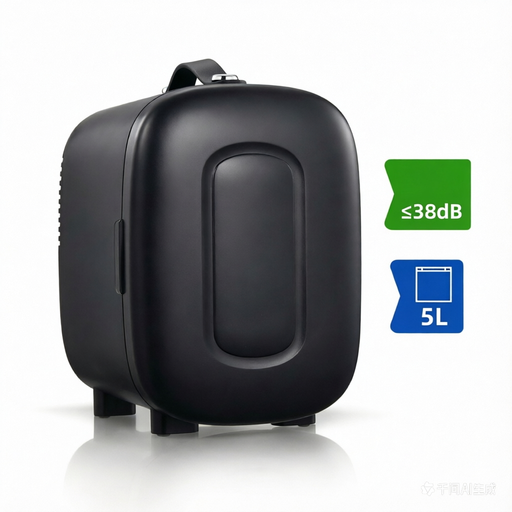
Why This Fits Their Persona: This compact thermoelectric unit is perfect for keeping a packed lunch fresh or a few drinks chilled during the daily commute or a short trip to the coast. Its ability to switch to warming mode is a bonus for enjoying a hot snack in winter.
It is clearly positioned as a thermoelectric cooler/warmer, setting realistic expectations about its performance (avoids Pitfall 1). Its small, practical 5L capacity is designed for personal items, not large-scale storage (avoids Pitfall 3).
Includes both AC and 12V DC power leads for use in the car and at home or in the office. The removable shelf and door basket provide flexible storage in a small space.
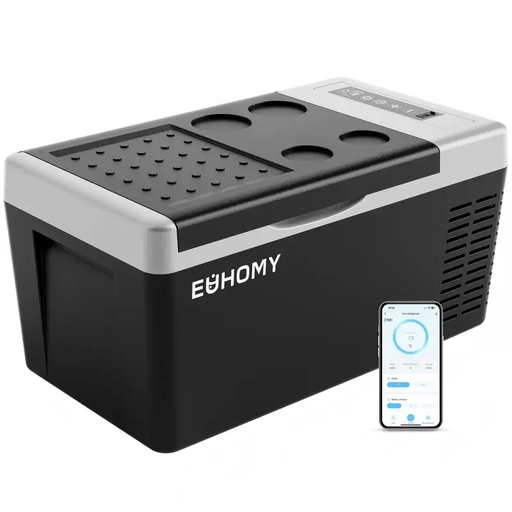
Why This Fits Their Persona: For those who need genuine refrigeration on multi-day trips. This is a proper compressor car fridge that can freeze down to -20°C, ensuring food stays safe and ice cream stays frozen, no matter the weather outside.
Its compressor technology completely avoids the ambient temperature limitations of thermoelectric coolers (Pitfall 1). It features a 3-stage battery protection system to prevent draining your vehicle's battery (Pitfall 2).
True freezer capability and an anti-shock design that allows it to run smoothly on bumpy tracks. APP control via Bluetooth adds modern convenience for remote adjustments.
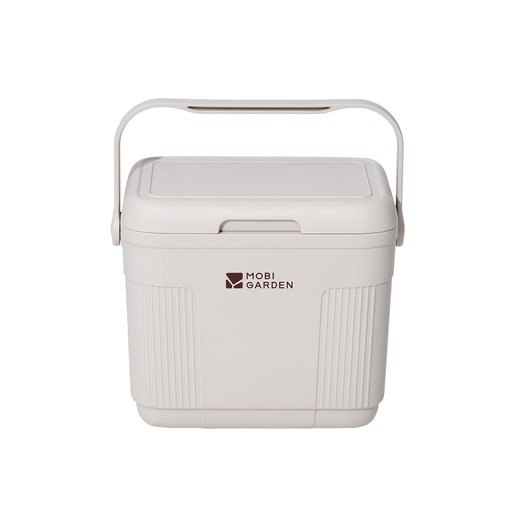
Why This Fits Their Persona: For those who value simplicity and reliability without power. This passive cooler is perfect for a day of fishing, a family picnic or a festival weekend. Its performance relies on good insulation and ice packs, not a vehicle's battery.
As a non-powered cooler, it completely sidesteps the pitfalls of poor cooling performance and battery drain (Pitfalls 1 & 2). Its value is in its robust build and high-density PU foam insulation.
Food-grade PP interior allows for safe, direct storage of fresh food. The tight-sealing silicone gasket and dedicated slots for the included ice boxes maximise cold retention time.
We have compiled a complete, real-time list of products that fully satisfy these strict selection criteria and UK safety regulations.
This depends on several factors: the fridge's power draw, the battery protection setting you choose (low, medium or high), your car battery's age and condition and the ambient temperature. A modern, efficient compressor car fridge with its protection set to 'High' might run for 4-6 hours off a healthy car battery. For worry-free overnight use, connecting to a separate leisure battery is the standard practice in the campervan and caravanning community.
The core difference is the technology. A ~?50 electric cool box is almost always thermoelectric, meaning it can only cool to about 15-20°C below the surrounding air temperature and struggles in a hot car. A ?200+ compressor car fridge is a miniature version of your home fridge. It can reliably hold a set temperature, even freezing solid, regardless of how hot it is outside. You are paying for true refrigeration capability and reliability.
Yes, many models are designed for dual use. Look for a portable fridge that comes with both a 12V/24V DC power cable for the car and a separate 100-240V AC adapter. This allows you to plug it into a standard wall socket to pre-cool it before your trip or use it in a hotel room or at a campsite with an electric hook-up.