
24/7 Customer Support

Free returns

Same-day & Next-day Delivery

Quality Guaranteed

Unlock Your Welcome Offers: FREE Delivery | Up to 80% OFF | Free 30-day JoyPlus trial
Download the APP
A reliable car fridge can transform your road trips, camping holidays and even your working day. From chilled drinks on a summer drive to keeping food fresh for a week-long adventure, the right unit is a game-changer. However, the market is filled with options that look similar but perform very differently. Many buyers end up with a device that either drains their battery or fails to keep their food properly cold.
As the Joybuy Product Recommendation Officer, my role is to help you navigate these choices. Before you spend your money, let's look at the most common pitfalls and how to sidestep them to find a portable fridge that truly meets your needs.
Navigating the world of portable cooling can be tricky. Here are three frequent issues that lead to buyer's remorse:
The "Cooler" vs. "Freezer" Misconception: The most significant trap is buying a simple electric cool box when you actually need a portable freezer for car. Many cheaper units are thermoelectric, meaning they can only cool to about 15-20°C below the surrounding air temperature. On a warm British summer day, this might not be enough to keep milk or meat safe. A true car fridge uses a compressor, allowing it to reach and maintain freezing temperatures, regardless of the weather outside.
The Flat Battery Nightmare: There's nothing worse than returning to your vehicle to find a dead battery. Many portable fridges, especially when used overnight in a campervan or lorry, can drain a standard car battery if left unchecked. A model without adjustable low-voltage battery protection is a significant risk, potentially leaving you stranded.
Ignoring Noise and Durability: A noisy, vibrating fridge can ruin the peace of a campsite or disrupt sleep in a lorry fridge setup. Furthermore, a unit not built to withstand movement—lacking an anti-shock design—may not last long on bumpy British B-roads or uneven tracks.
To ensure you get a reliable and effective travel fridge, focus on these key technical specifications.
This is the single most important factor.
campervan fridge.12v cooler box, these use the Peltier effect to transfer heat from the inside to the outside. They are generally lighter and less expensive. Their cooling is limited by the ambient temperature, and they run continuously, which can be less power-efficient over long periods. They are suitable for keeping pre-chilled drinks and snacks cool for a day trip.A versatile 12v camping fridge should offer flexible power options and safeguard your vehicle.
To help you match a product to your specific needs, here are a few options that address the common pitfalls.
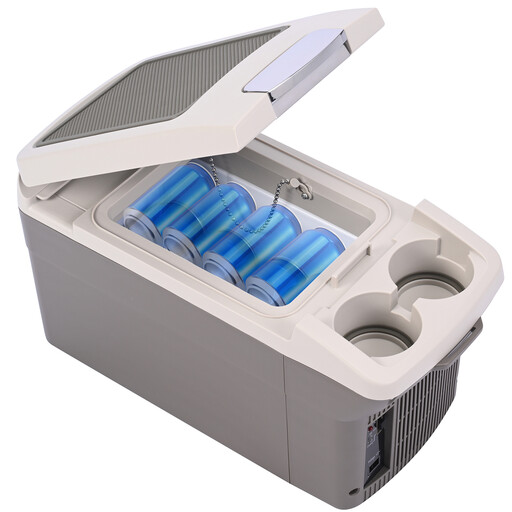
Why This Fits Their Persona: This compact unit is ideal for keeping lunch and drinks chilled on the daily commute or for a family day out. Its small footprint fits neatly on a passenger seat, and the dual cooling/warming function adds versatility for all seasons.
It is clearly a thermoelectric cooler and warmer, not a freezer. This manages expectations perfectly, avoiding the "cooler vs. freezer" trap for users who only need basic chilling.
Features a cooling and heating function. Its compact design includes a seat belt slot for stability and dual cup holders for convenience during travel.
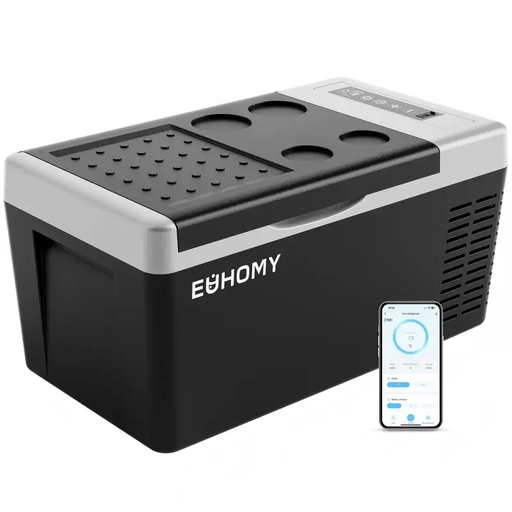
Why This Fits Their Persona: For solo travellers or couples on a weekend camping trip, this 18L unit offers true refrigeration and freezing in a compact package. It's large enough for essential food and drinks without taking up excessive boot space.
As a compressor model, it provides genuine freezing down to -20°C. It also features 3-stage battery protection to prevent a flat battery and an anti-shock design for durability on the move.
Features APP control for remote temperature management. The low-noise operation (42dB) and efficient 45W power consumption make it ideal for overnight use in a car or van.
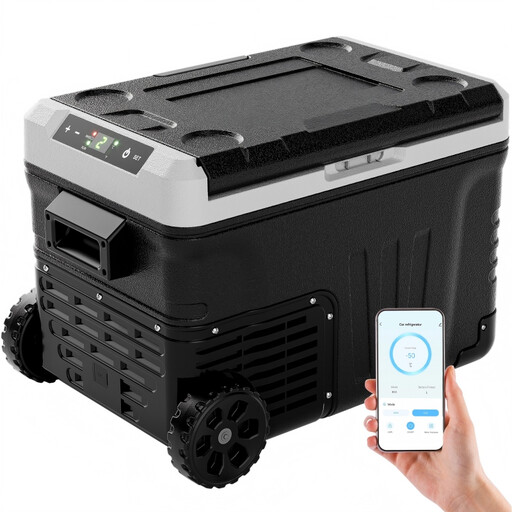
Why This Fits Their Persona: With a generous 35L capacity, this fridge is built for families on holiday or lorry drivers needing to store food for extended trips. The wheels and handles aid portability despite its size, and the removable divider allows for dual-zone storage.
This is a high-capacity compressor unit with full temperature control, 3-stage battery protection and an anti-shock design, ticking all the boxes to avoid the common pitfalls for heavy users.
Large 35L capacity with optional dual-zone storage. Features both an LCD panel and APP control for easy management, plus wheels and handles for improved portability.
We have compiled a complete, real-time list of products that fully satisfy these strict selection criteria and UK safety regulations.
Power consumption varies by type. A thermoelectric electric cool box runs continuously and typically uses 40-60 watts. A more efficient compressor car fridge only runs when the compressor is active to maintain temperature, often consuming around 45-55 watts during its cooling cycle but using very little power otherwise. Many compressor models also feature an 'ECO' mode to further reduce energy use.
You can, provided it has the right features. A compressor fridge with a multi-stage low-voltage battery protection system is designed for this. You can set the protection level (e.g., High, Medium, Low) to ensure the fridge shuts down before the battery is too low to start your vehicle. It is generally not recommended to leave a basic thermoelectric cooler running overnight from a starter battery, as it may drain it completely.
The key difference is the cooling technology. A car fridge uses a compressor, just like a home fridge, and can reliably reach and hold freezing temperatures. An electric cool box uses a thermoelectric system, which can only cool to a certain number of degrees below the ambient air temperature and cannot freeze items. For keeping food safely chilled or frozen for more than a few hours, a compressor car fridge is the appropriate choice.