
24/7 Customer Support

Free returns

Same-day & Next-day Delivery

Quality Guaranteed

Unlock Your Welcome Offers: FREE Delivery | Up to 80% OFF | Free 30-day JoyPlus trial
Download the APP
Whether you're faced with a flat tyre on a rainy Tuesday morning or planning some weekend DIY maintenance, a reliable car jack is an essential piece of kit for any vehicle owner. But with so many types available—from compact scissor jacks to powerful hydraulic models—choosing the right one can feel overwhelming.
This guide is designed to cut through the clutter. We'll walk you through the key considerations for selecting a jack that matches your vehicle and your needs, ensuring you can lift your car safely and efficiently.
Making the right choice comes down to a few key factors. Paying attention to these details will ensure you get a tool that is both safe and practical for your specific situation.
The most critical specification is the jack's lifting capacity, measured in tonnes. A jack doesn't need to lift your entire car, only the corner or end you are working on. A good rule of thumb is to choose a jack rated for at least 75% of your vehicle's total gross weight. For most family cars, saloons and smaller SUVs, a 3 tonne trolley jack provides a safe margin and is a versatile choice for a home garage. Always check your vehicle's handbook for its official gross vehicle weight.
There are two main types of jacks for consumer use, each with distinct advantages:
The "profile" refers to the jack's minimum height (its starting point), while the lifting range is the difference between its lowest and highest points. If you own a sports car or a vehicle with lowered suspension, a low profile car jack is essential to fit underneath the chassis. Conversely, if you have a car jack for an SUV or a van with high ground clearance, you'll need a jack with a higher maximum lift height to get the wheels off the ground.
Based on common user needs, from emergency preparedness to regular garage work, here are our recommendations.
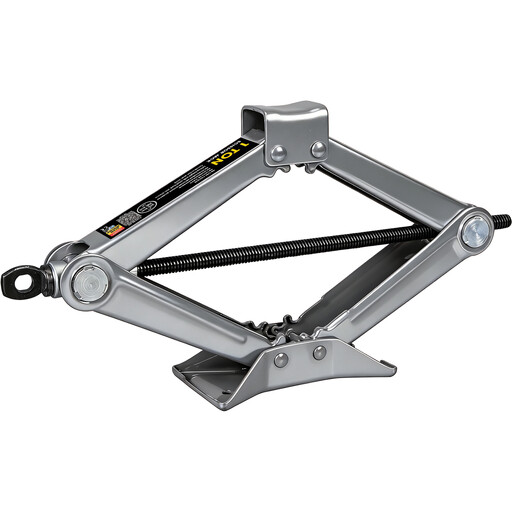
TCE 1 Tonne Scissor Car Jack 88-380mm Ultra Low Profile
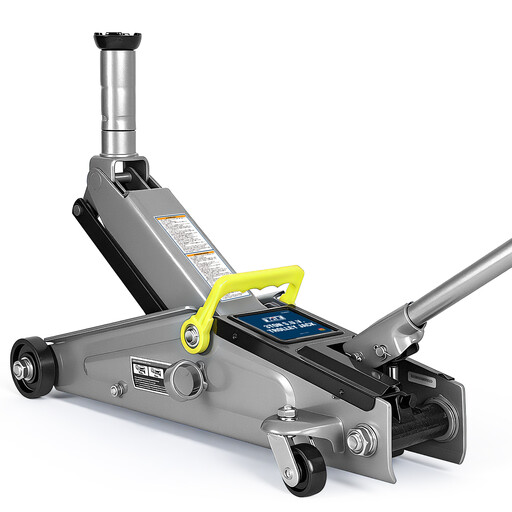
TCE 3 Tonne Horizontal Hydraulic Car Jack 150-530mm
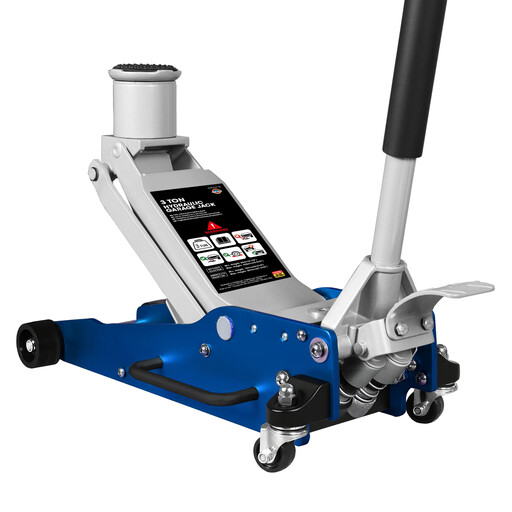
TCE 3 Tonne Aluminium Alloy Horizontal Hydraulic Car Jack 85-465mm
Our recommendations cover some of the most common requirements for UK drivers. However, if you have different needs or are looking for other workshop equipment, there are many other solutions available.
Explore our full range to find the perfect fit for your garage. Browse our complete collection of Tools and Accessories
1. What size car jack do I need? To be safe, choose a jack with a lifting capacity that is at least three-quarters (75%) of your vehicle's total weight. For example, if your car weighs 2,000kg (2 tonnes), a jack rated for 1.5 tonnes or more is required. A 3 tonne trolley jack is a popular and safe choice that covers the majority of passenger cars and SUVs in the UK.
2. Is a trolley jack better than a scissor jack? Neither is "better"; they serve different purposes. A trolley jack (hydraulic) is superior for garage use due to its stability, speed and ease of lifting. A scissor jack is designed for portability and is the best option for an emergency car jack to be kept in your vehicle for roadside situations.
3. How do I use a car jack safely? Safety is paramount. Always use a jack on a hard, level surface. Before lifting, engage your handbrake and put the car in gear (or Park for automatics). Place wheel chocks behind the wheels that are remaining on the ground. Most importantly, never get under a vehicle that is supported only by a jack. Always use correctly rated axle stands for any work that requires you to be under the car.