
24/7 Customer Support

Free returns

Same-day & Next-day Delivery

Quality Guaranteed

Unlock Your Welcome Offers: FREE Delivery | Up to 80% OFF | Free 30-day JoyPlus trial
Download the APP
A car jack can be essential for an emergency tyre change, routine inspection or home maintenance. However, choosing by price or maximum lifting figure alone can lead to an unsuitable purchase. The right model must fit beneath your vehicle, reach the correct lifting point and support an appropriate load.
Before buying a car jack, watch for three common pitfalls:
Check the rated capacity before considering other features. Common options include a 2-tonne car jack, 3-tonne floor jack and 6-tonne bottle jack. Select a capacity that suits the vehicle category and the manufacturer’s instructions, while allowing a sensible margin rather than buying solely on the largest number.
A scissor jack is often compact and suitable for roadside wheel changes. A hydraulic bottle jack can provide more capacity in a small footprint, while a trolley floor jack is generally more practical for repeated garage or driveway work.
The minimum height determines whether the jack can reach the approved lifting point. This is particularly important for a low-profile car jack intended for lowered vehicles or cars with limited ground clearance.
The maximum height matters for SUVs, pick-ups and light trucks, where the chassis may sit higher from the ground. Always compare the jack’s complete height range with your vehicle handbook rather than relying on a general description such as “fits most cars”.
Look for a broad, non-slip base, a properly shaped saddle and a frame made from suitable steel or other specified materials. A swivel-wheel layout can make a trolley floor jack easier to position, while a forged steel base is a useful feature in a heavy-duty car jack.
For roadside use, portability is also important. A foldable car jack that fits in a spare-wheel compartment or boot side pocket may be more useful than a larger model that remains at home. Check the folded height, handle arrangement and storage requirements before ordering.
The following options match different UK driving and maintenance situations. Confirm compatibility with your vehicle’s approved jacking points before use.
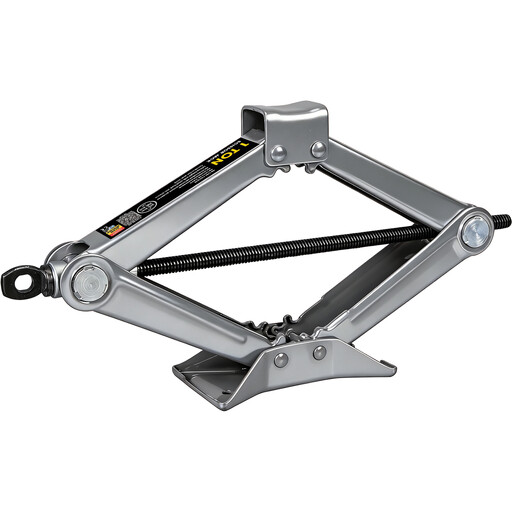
Why This Fits Their Persona: Its compact folded height suits drivers who want an emergency tyre change jack in the boot, particularly owners of saloons and low-clearance vehicles.
The 88mm starting height addresses the common clearance problem, while the foldable design avoids taking unnecessary boot space.
1-tonne rated capacity; 88–380mm lifting range; forged alloy steel structure and widened non-slip base.
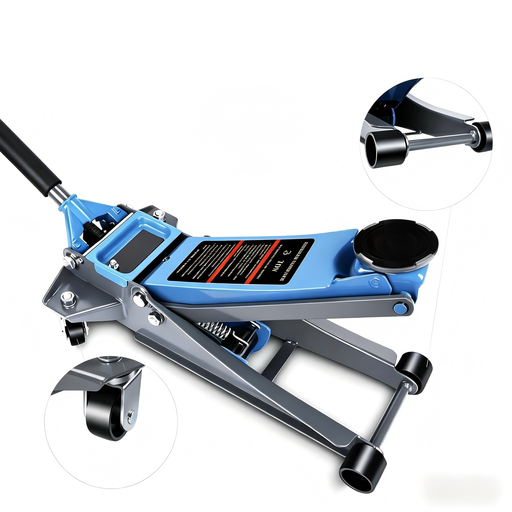
Why This Fits Their Persona: A suitable format for home mechanics who value manoeuvrability, a broad lifting range and more frequent use on cars, SUVs or suitable trucks.
The 73mm low entry height helps with clearance, while four wheels and a dual-piston pump address difficult positioning and slow lifting.
3-tonne rated capacity; 73–500mm lifting range; two fixed front castors and two swivel castors.
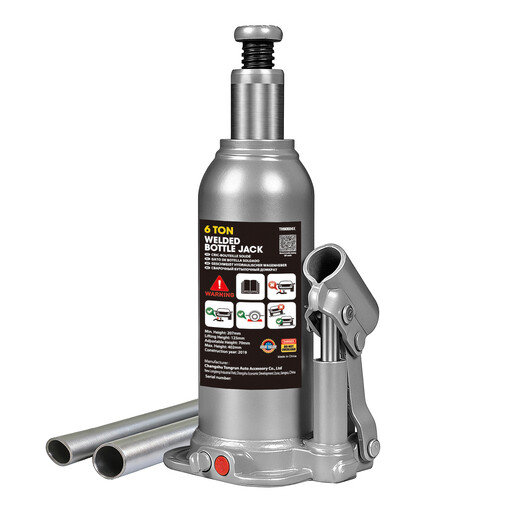
Why This Fits Their Persona: Its higher capacity and taller lifting range are aimed at owners of SUVs, pick-ups and light trucks who need a compact vertical lifting format.
The 207mm starting height makes it unsuitable for very low cars, but avoids the opposite mistake by clearly matching a higher-clearance vehicle profile.
6-tonne rated capacity; 207–402mm lifting range; adjustable screw, non-slip saddle and safety overflow valve.
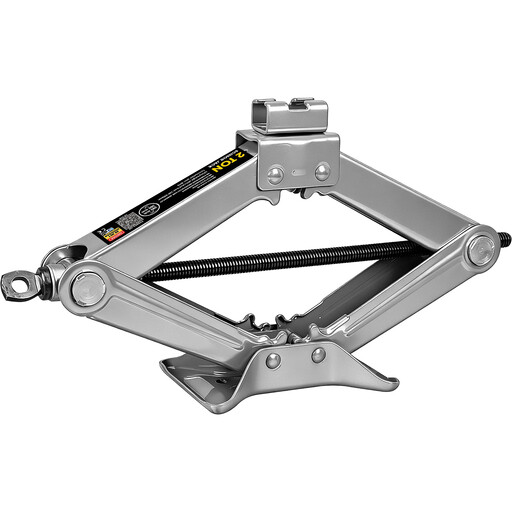
Why This Fits Their Persona: This option balances boot storage with a higher rated capacity for many saloons and city SUVs, making it a practical vehicle lifting tool for occasional roadside use.
Its 120mm folded height and 120–395mm range make the storage and clearance specifications clear before purchase.
2-tonne rated capacity; forged alloy steel construction; widened non-slip base and foldable storage.
We have compiled a complete, real-time list of products that fully satisfy these strict selection criteria and UK safety regulations.
Before lifting:
Avoid using a trolley floor jack on soft gravel without a suitable stable surface, and do not place hands or any part of your body beneath a vehicle supported only by a jack.
Start with your vehicle’s handbook and kerb weight, then check the jack’s rated capacity and height range. A 1-tonne or 2-tonne scissor jack may suit some cars for wheel changes, while SUVs, pick-ups and light trucks may require a higher-capacity hydraulic bottle jack or floor jack.
A scissor car jack is generally intended for lifting one part of a vehicle, often for an emergency tyre change. For servicing, use appropriate axle stands and a stable work surface. A trolley floor jack may be easier to position for repeated lifting, but it still must not be used as the sole support.
Service life depends on load, frequency, storage and maintenance. Keep the jack clean and dry, inspect it before every use, and follow the manufacturer’s guidance for hydraulic fluid and servicing. Stop using any model that shows leaking fluid, bent components, unstable movement or damaged lifting parts.