A flat car battery is an unwelcome surprise, whether you are rushing to work on a frosty morning or parked in a remote spot after a long day out. Waiting for roadside assistance can be time-consuming and costly. A modern car jump starter is a compact, powerful solution that puts you back in control, getting you on your way in minutes.
But with so many options on the market, choosing the right one can feel overwhelming. This guide is designed to help you understand the key features to look for, ensuring you select a reliable device for your vehicle and your peace of mind. We will explore some practical considerations and highlight a few standout models available today.
How to Choose a Portable Car Battery Booster
Before you buy, it is important to match the device to your specific needs. Here are a few key factors to consider to ensure you get a dependable emergency car starter.
1. Power Output and Engine Compatibility
The most critical specification is the peak amperage (A). This number indicates the maximum power the jump starter can deliver to turn over your engine. A small hatchback with a petrol engine requires far less power than a large diesel van.
- Standard Cars: For most petrol cars and smaller diesel engines, a jump starter with 500A to 1000A peak current is generally sufficient.
- Larger Vehicles: If you drive an SUV, a van, a truck or a vehicle with a large engine (over 3.0 litres), you should look for a
heavy duty jump starter with 1500A or more. Always check the manufacturer's recommendation for compatibility with your engine size (e.g., "up to 9-litre petrol or 7-litre diesel"). A standard 12v jump starter is suitable for almost all consumer vehicles.
2. Battery Technology and Safety Features
The internal battery determines a jump starter's performance, longevity and safety. Most units use lithium-ion batteries, which are lightweight and powerful. However, newer technologies like sodium-ion are emerging, offering different advantages.
Look for essential safety features that protect both you and your vehicle. Non-negotiable protections include:
- Spark-proof clamps
- Reverse polarity protection (prevents damage if you connect the clamps incorrectly)
- Over-current and short-circuit protection
Additionally, consider the device's operating temperature range, especially if you live in an area with very cold winters or hot summers.
3. Additional Functions: More Than Just a Jump Start
Many modern units are multi-functional tools. A jump starter power bank is a common feature, allowing you to charge your phone, tablet or laptop via USB ports. This is incredibly useful in any emergency situation.
Some models go a step further, integrating a jump starter with air compressor. This 2-in-1 design allows you to handle both a flat battery and a flat tyre, making it an exceptionally practical tool for any car boot.
Top Product Recommendations
Here are a few models that cater to different needs, from raw power to all-in-one convenience.
GOOLOO GP3000 Jump Starter 3000A
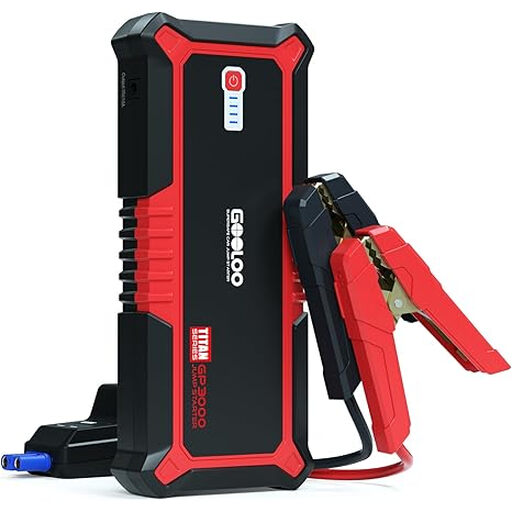
- Why It Stands Out: The GP3000 is all about power. With a massive 3000A peak current, it is designed to start some of the largest consumer vehicle engines on the road. Its "BOOST" function is a key feature, designed to revive completely dead batteries where other starters might fail.
- Pros:
- Starts large engines: Up to 9-litre petrol or 7-litre diesel.
- Advanced safety: Features 10 layers of protection, including spark-proof technology and reverse polarity alerts.
- Multi-functional power bank: Includes USB Quick Charge and a Type-C port for fast device charging.
- Durable build: Designed to be shockproof and operate in extreme temperatures from -20°C to 60°C.
- Who is it for? This is an ideal choice for owners of large SUVs, trucks, motorhomes and boats. It is also a great option for anyone who wants the assurance of having more than enough power for any situation.
GOKKCL GK03 Sodium Ion Car Jump Starter
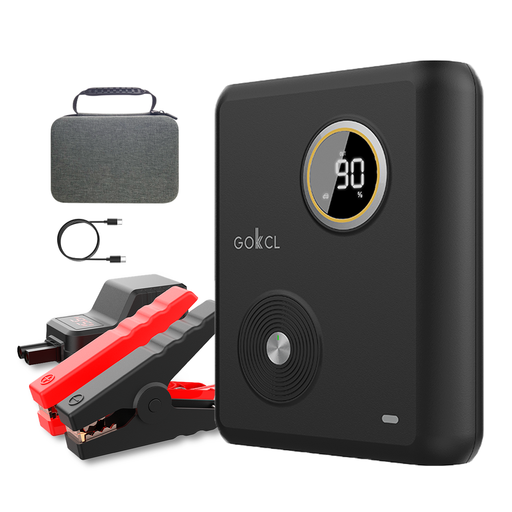
- Why It Stands Out: This jump starter uses innovative sodium-ion battery technology, which sets it apart from typical lithium models. Its main advantages are an extremely long standby time and a very wide operating temperature range, making it exceptionally reliable. According to the manufacturer, it can hold a charge for up to 5 years.
- Pros:
- Low maintenance: Extremely low self-discharge rate means it is ready when you need it, without frequent recharging.
- All-weather performance: Operates safely in extreme temperatures from -40°C to 80°C.
- Enhanced safety: The company states its sodium-ion chemistry is inherently more stable and less prone to fire risk than lithium.
- Long lifespan: The battery is rated for over 6,000 cycles.
- Who is it for? Perfect for the driver who wants a "set and forget" emergency device. If you want to store a jump starter in your car year-round without worrying about temperature damage or constant recharging, this is a compelling option.
Baseus Super Energy 2-in-1 Jump Starter with Air Compressor
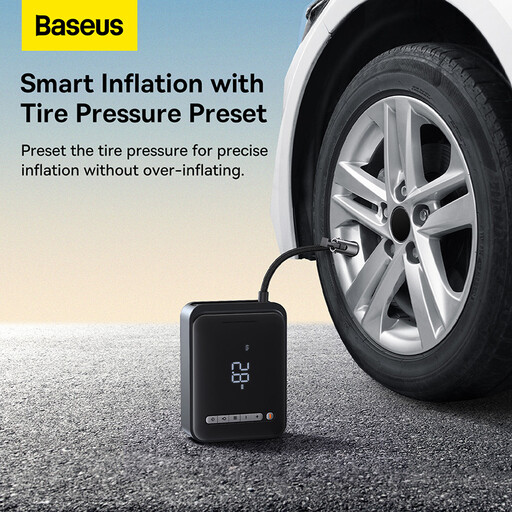
- Why It Stands Out: This device combines two essential roadside tools into one compact unit. It is not only a capable jump starter but also a portable tyre inflator, saving space in your boot and offering excellent value.
- Pros:
- 2-in-1 functionality: Serves as both a 1000A peak jump starter and a digital air compressor.
- Compact and convenient: Its integrated design makes it easy to store and use for multiple types of emergencies.
- Sufficient power: The 1000A peak current is suitable for most family cars, hatchbacks and saloons.
- User-friendly: Features a clear display for monitoring tyre pressure and battery level.
- Who is it for? The ideal all-rounder for daily commuters and families. If you value practicality and want a single device to handle both a flat battery and a low tyre, this is an excellent choice.
Looking for Other Options?
The models above represent a fraction of the available choices. If your vehicle has unique requirements or you are looking for different features, there are many other solutions to explore.
? Discover a wider selection of automatic car battery jump starter models here.
Frequently Asked Questions
1. Can a car jump starter damage my car's electronics? Modern portable jump starters are designed with multiple safety features, such as reverse polarity, short-circuit and over-voltage protection. These systems are built to prevent damage to your vehicle's sensitive electronics. As long as you follow the manufacturer's instructions carefully, the risk is minimal.
2. How many amps do I need for my car jump starter? This depends on your engine size and type. A general guideline is:
- 400A-600A: Suitable for 4-cylinder petrol engines.
- 800A-1000A: Good for 6-8 cylinder petrol engines and smaller diesel engines.
- 1500A+: Recommended for large trucks, vans and diesel engines over 3.0 litres. When in doubt, choosing a model with slightly more power than you think you need is a safe approach.
3. How often should I recharge my portable car battery booster? This varies by model. Most lithium-ion jump starters should be recharged every 3 to 6 months to ensure they are ready for use. Models with sodium-ion batteries, like the GOKKCL GK03, have a much lower self-discharge rate and may only need checking annually. Always refer to the user manual for specific maintenance advice.


