
24/7 Customer Support

Free returns

Same-day & Next-day Delivery

Quality Guaranteed

Unlock Your Welcome Offers: FREE Delivery | Up to 80% OFF | Free 30-day JoyPlus trial
Download the APP
A dead battery or a flat tyre can turn a routine drive into a roadside headache, especially on a cold, wet British morning. A multi-function car jump starter with air compressor seems like the perfect all-in-one solution to keep in your boot. However, the market is flooded with devices that make bold claims but fail when you need them most.
As a Joybuy Product Recommendation Officer, my role is to help you see past the marketing clutter. Before you invest in this crucial piece of your emergency car kit, be aware of the common pitfalls that lead to buyer's remorse.
To choose a reliable device, you need to focus on a few core parameters, not just the headline numbers. Understanding these will ensure your investment provides genuine peace of mind.
The most crucial specification is the starting power. While you'll see figures like 6500A jump pack advertised, it's vital to match this to your vehicle.
A functional tyre inflator is more than just a motor that makes noise. Two features separate the useful from the useless.
The internal battery determines how many times you can start your car or how long you can run the compressor. It also dictates the device's usefulness as a jump starter power bank.
We've analysed the market to find options that address the common pitfalls and match the needs of different UK drivers.
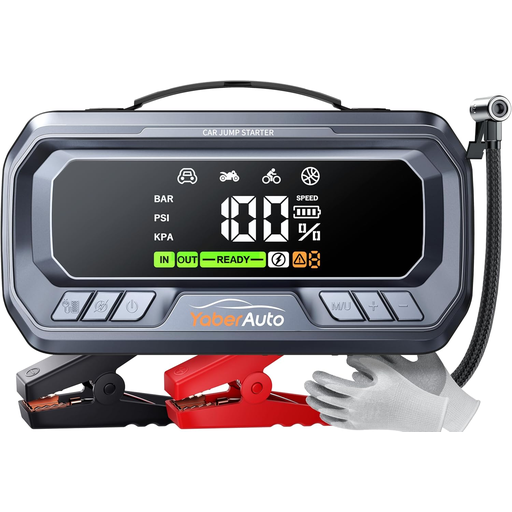
Why This Fits Their Persona: Ideal for owners of larger vehicles like SUVs, vans and 4x4s, or for those who frequently go camping or on road trips. This is a single, robust unit designed to handle demanding situations without compromise.
It directly counters the pitfalls with a genuine 6500A peak current rated for large diesel engines, a powerful 160 PSI compressor with a 3.3" LCD for pre-setting pressure and a high-capacity battery with multiple safety protections.
The bidirectional 65W PD fast-charging port and DC continuous output mode make it a true power hub for everything from laptops to car refrigerators, not just an emergency starter.
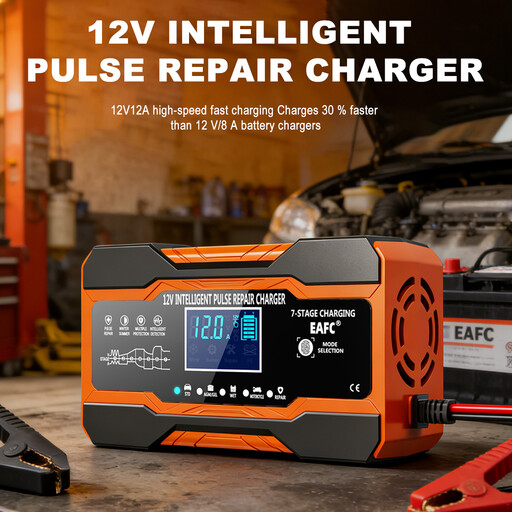
Why This Fits Their Persona: For the car owner who prefers prevention over cure. If your car is often parked for long periods or used for short trips, this device keeps the battery in optimal condition from your garage, reducing the chance of ever needing a jump start.
This isn't a jump starter, so it sidesteps the "overstated power" trap entirely. It focuses on one job: safely charging and maintaining your battery's health with a microprocessor-controlled process, which is a more fundamental solution to battery issues.
Features a "Repair" mode that can help restore performance in older or sulphated batteries. Its smart charging automatically adjusts for battery type (AGM, GEL, etc.) and temperature, maximising battery life.
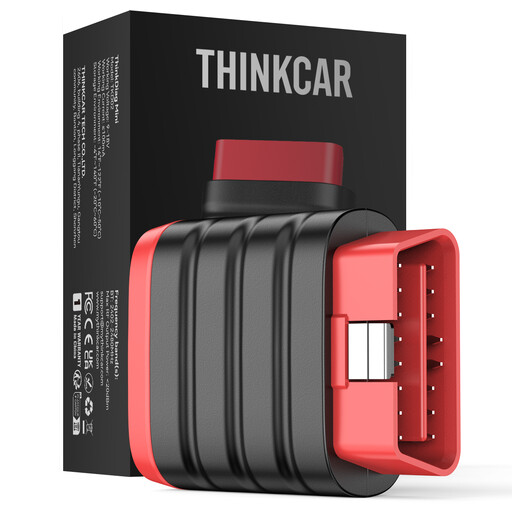
Why This Fits Their Persona: For the driver who wants to understand the 'why' behind a car problem. If your battery is repeatedly dying, this tool helps diagnose underlying electrical faults or other engine issues, forming a crucial part of a modern diagnostic toolkit.
Instead of just fixing the symptom (a dead battery), this tool helps you identify the root cause. It empowers you to understand fault codes before visiting a garage, potentially saving hundreds in diagnostic fees.
Provides a full system scan, reads and clears diagnostic trouble codes (DTCs) and offers a live battery voltage test, all streamed via Bluetooth to an intuitive app on your smartphone.
We have compiled a complete, real-time list of products that fully satisfy these strict selection criteria and UK safety regulations.
A quality unit should hold a significant portion of its charge for 6 to 12 months when stored correctly. However, temperature greatly affects this. It is good practice to check and top up the charge every 3-4 months and always before a long road trip, to ensure it's ready when you need it.
Most portable jump starters are designed for 12V electrical systems, which covers almost all passenger cars, vans and motorcycles in the UK. The critical factor is matching the starter's power to your engine size. A small unit designed for a 1.2L petrol car will struggle with a 3.0L diesel van. Always check the manufacturer's specifications for engine compatibility. They are not suitable for 24V systems found in large commercial lorries.
Yes, these devices are designed to be stored in a vehicle. Reputable models have a wide operating temperature range (e.g., -20°C to 60°C). However, extreme cold will reduce the battery's efficiency and available power. While it will still work, a unit stored at 0°C will deliver less power than one stored at 20°C. For this reason, choosing a powerful, heavy-duty model provides an essential performance buffer for cold UK winters.