
24/7 Customer Support

Free returns

Same-day & Next-day Delivery

Quality Guaranteed

Unlock Your Welcome Offers: FREE Delivery | Up to 80% OFF | Free 30-day JoyPlus trial
Download the APP
Replacing halogen lamps with car LED bulbs can modernise a vehicle’s lighting, reduce power demand and make replacement less frequent. However, the wrong bulb can cause dashboard warnings, poor beam control or an installation that is incompatible with the vehicle.
This guide explains the checks that matter before buying automotive LED bulbs, from T10 interior lamps to H7 LED headlight bulbs and complete LED tail lights.
Codes such as H7, 9005 HB3, 9006 HB4, 9012 HIR2, T10 W5W and W16W T15 describe a fitting type, but they do not always confirm that the bulb will fit every vehicle. Differences in housing depth, retaining clips, dust covers and wiring can prevent installation.
Check the owner’s manual, the original bulb marking or a reliable vehicle fitment guide before ordering. For a tail-light assembly, confirm the exact model, body style and production range.
A high advertised lumen figure does not automatically produce useful illumination on the road. Beam position, chip alignment, reflector design and heat management all affect the light pattern. An LED headlight bulb that sits incorrectly in the housing may create dark areas or glare for other drivers.
Look for a design that is described as matching the original bulb’s position and beam pattern. Treat claims such as “300% brighter” as manufacturer or seller statements rather than a guaranteed result for every vehicle.
Canbus error-free LED bulbs include circuitry intended to reduce bulb-out warnings, flickering or electrical compatibility problems. The phrase does not guarantee compatibility with every car. Some vehicles may still require a resistor, decoder, coding or a different bulb design.
After fitting, check the dashboard, light operation and any vehicle settings. If a warning remains, avoid using improvised wiring and consult a qualified automotive technician.
Match the exact base and application:
For interior lamps, compare the overall length and width with the original bulb. A lamp that is electrically compatible may still be too long for a map-light or number-plate housing.
Many buyers choose 6000K white LED bulbs for a cooler appearance. A 6500K lamp may look even bluer, while warm white is more suitable for a softer interior effect. Colour temperature should not be confused with brightness.
For exterior lighting, check whether the product is approved for road use on your vehicle and application. Headlamp retrofits can affect beam compliance, glare and MOT outcomes. The fitting must also display the correct colour for its function: headlamps, indicators, brake lamps and reversing lights have different requirements.
LEDs use less power than equivalent halogen lamps, but the light source still produces heat around the chips and driver. Aluminium bodies, heat sinks and cooling fans can help manage this. A fan-based design may need additional rear clearance and can produce a small operating noise.
A plug-and-play car bulb should connect to the factory socket without cutting wires, but installation space and polarity still matter. Switch off the vehicle and allow old bulbs to cool before handling them.
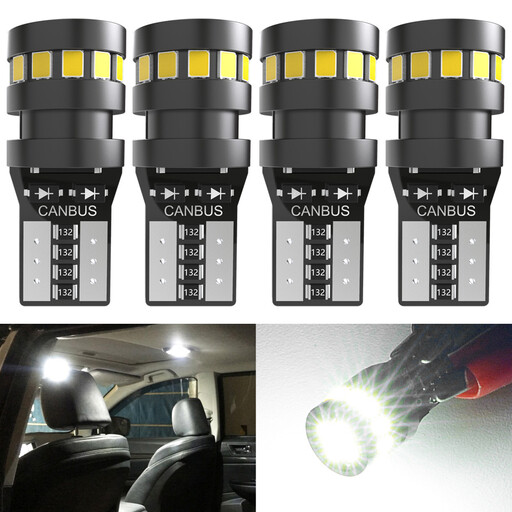
Why This Fits Their Persona: A four-pack is practical for drivers refreshing interior, number-plate or position lighting without replacing a complete assembly.
The T10/W5W/194/168 references make cross-checking easier, while the Canbus design is intended to reduce warning lights. Vehicle compatibility still needs confirmation.
12–24V specification, 300 lumens per bulb and aluminium construction are listed. Suitable uses include interior and number-plate lighting.
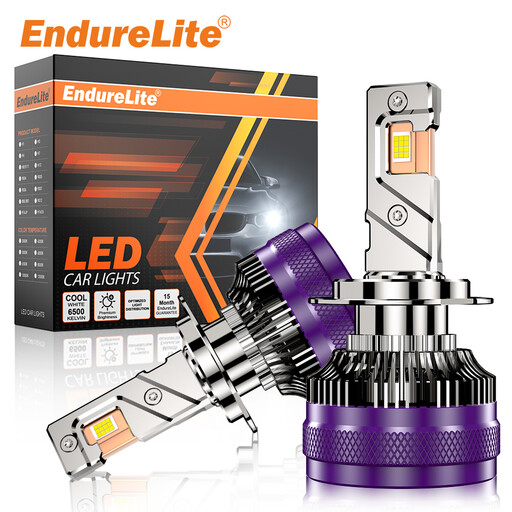
Why This Fits Their Persona: Designed for drivers seeking a cooler headlamp appearance and a direct replacement format for a compatible H7 application.
The product is listed as the same size as a stock bulb and includes a CANbus-ready driver, helping address fit and warning-light concerns.
6000K cool white output, IP68 water resistance and an integrated fan are listed features. Check headlamp approval and beam alignment before road use.
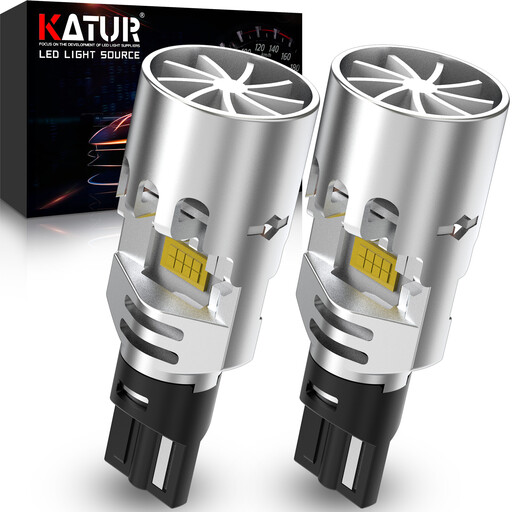
Why This Fits Their Persona: A targeted option for drivers who regularly reverse at night, use a trailer or want a dedicated upgrade for compatible reversing-light housings.
The 1:1 halogen-style design and listed Canbus compatibility address common fitment and dashboard-warning issues, subject to vehicle testing.
The listing specifies W16W/T15/921/912 compatibility, 12–24V operation and a cooling fan. Confirm housing clearance before fitting.
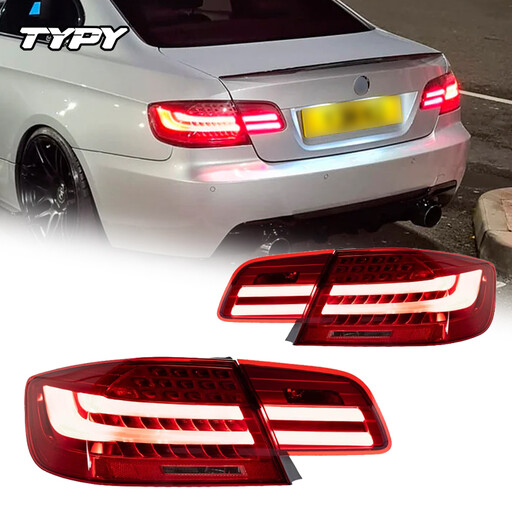
Why This Fits Their Persona: Suits BMW E92 Coupe owners looking to replace complete rear assemblies rather than individual LED tail lights.
The listing identifies the E92 Coupe, 330i, 335i and M3 across the stated model range, reducing the risk of buying a generic assembly that cannot mount correctly.
Functions listed include stop, DRL, brake, indicator and reverse lighting. Coding may be required on some vehicles to clear bulb-out warnings.
We have compiled a complete, real-time list of products that fully satisfy these strict selection criteria and UK safety regulations.
Before fitting car interior LED bulbs, tail lamps or headlamp replacements:
Legality depends on the bulb, vehicle, headlamp housing and approval requirements. A retrofit LED may not automatically be suitable for road use simply because it fits the socket. Check the product documentation, the vehicle requirements and current MOT guidance before installation.
No. They are designed to reduce compatibility problems, but vehicle electrical systems vary. Some cars may require coding or an additional decoder. Test the bulbs after installation and do not ignore a persistent dashboard warning.
LEDs commonly use less electrical power than equivalent halogen bulbs, although the actual saving depends on the wattage, number of lamps and driving time. Purchase cost, cooling components and vehicle compatibility should also be considered alongside energy use.