
24/7 Customer Support

Free returns

Same-day & Next-day Delivery

Quality Guaranteed

Unlock Your Welcome Offers: FREE Delivery | Up to 80% OFF | Free 30-day JoyPlus trial
Download the APP
Replacing tired halogen bulbs can improve the appearance and perceived brightness of your vehicle’s lighting, but choosing car LED headlight bulbs is not simply a matter of selecting the largest lumen figure. The bulb must fit the housing, work with the vehicle’s electronics and produce a suitable beam pattern.
For UK drivers, there are also road-use considerations. A retrofit LED bulb may not be suitable for every headlamp housing or vehicle. Check the vehicle handbook, bulb approval information and current MOT requirements before installation. A brighter-looking bulb is not automatically a safer or compliant choice.
Listings may describe bulbs as “300%” or “500%” brighter than halogen. These figures can depend on the comparison bulb, test conditions and how brightness is measured. Treat them as listing claims rather than a guaranteed result on your vehicle.
A bulb with poor positioning can create glare, dark patches or an unfocused beam, even if its stated output is high. Look for a 1:1 design, narrow chip placement and information about beam control.
A 9005 bulb is also known as HB3, while 9006 is commonly known as HB4. However, different vehicles can use different bulb types for dipped beam, main beam and fog lights. H1, H4, H7, H11 and 9012/HIR2 are separate fittings and are not interchangeable simply because they look similar.
Always check the existing bulb marking or vehicle-specific fitment guide before ordering.
CANbus-ready LED bulbs may reduce the likelihood of warning messages, flickering or radio interference, but they cannot guarantee compatibility with every vehicle. Some cars may still require a decoder, resistor or professional installation.
Also check the available space behind the headlamp. Fan-cooled bulbs can be longer than halogen replacements, and a rear dust cap may prevent installation.
Start with the exact fitting code: 9005 HB3 LED bulbs, 9006 HB4 LED bulbs, H1, H4, H7, H11 or 9012/HIR2. Confirm whether the bulb is intended for the front headlamp, main beam, dipped beam or fog light.
The LED chips should sit in a position that closely matches the original filament. Correct alignment helps the reflector or projector control the light. After fitting, inspect the beam against a wall and adjust the headlamp if necessary.
Many listings describe 6000K cool white headlights or 6500K daylight-style lighting. These temperatures appear noticeably whiter than standard warm halogen bulbs. Colour temperature is not the same as brightness, however, and cooler light can appear less comfortable in rain, mist or dirty conditions.
For fog lamps, consider the vehicle’s original beam design and local road conditions rather than choosing solely for a white appearance. Some drivers may prefer a less blue-looking colour for wet-weather visibility.
LED chips generate heat at their base, so heat management matters. Fan-cooled LED headlights use an active fan, while other designs rely on an aluminium heat sink. A fan can help move heat away but introduces a moving component and may require extra clearance.
Useful specifications to compare include:
A claimed lifespan is a manufacturer or seller specification, not a guarantee of actual service life in every vehicle. Heat, vibration, voltage and installation conditions all affect durability.
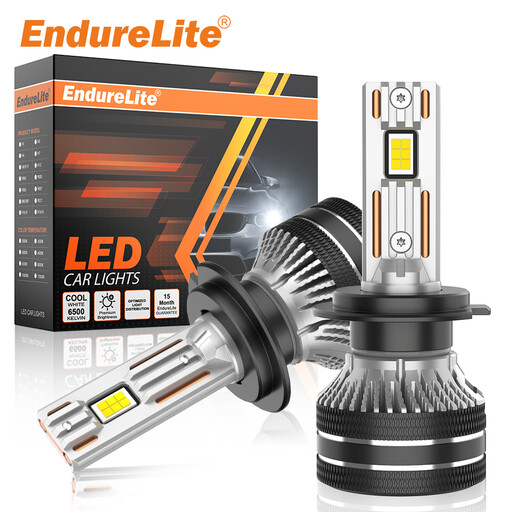
Why This Fits Their Persona: A practical option for drivers whose vehicles use the 9005/HB3 fitting and who want a straightforward replacement for regular commuting.
The listing specifies a 1:1 size, CANbus-ready design, no-flicker operation and a 6000K colour temperature, helping buyers compare more than brightness claims.
Pack of two, built-in fan cooling, aluminium housing and a stated 50,000-hour operating life.
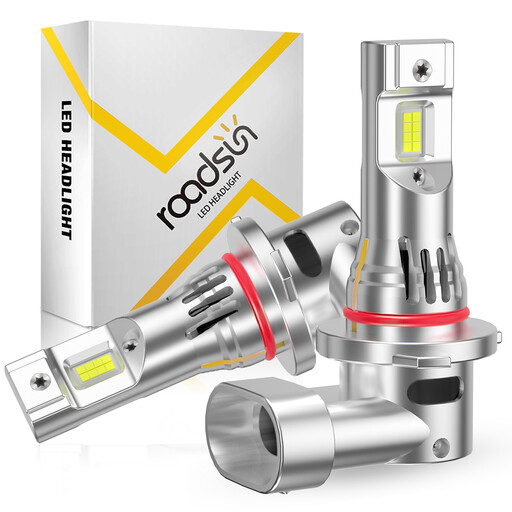
Why This Fits Their Persona: Suits owners prioritising active cooling and a daylight-style appearance for a compatible 9005/HB3 headlamp.
Its listed 1:1 design and built-in driver address common concerns about fit, alignment and flicker, although vehicle compatibility should still be checked.
Turbo fan cooling, CSP lighting chips, 6500K white light and a stated 50,000-hour lifespan.
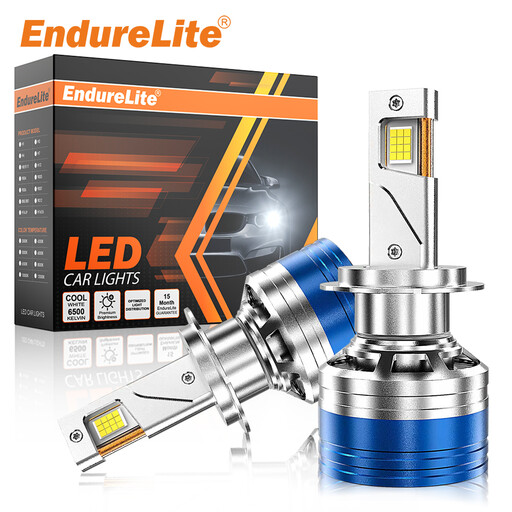
Why This Fits Their Persona: Designed for drivers who need 9006/HB4 bulbs for frequent night driving or want a compatible option for front fog-light use.
The product information identifies CANbus-ready, no-flicker electronics, water-resistant construction and a beam designed to follow the original bulb position.
20,000-lumen listing specification, 6000K cool white colour and an internal 10,000 RPM fan according to the product details.
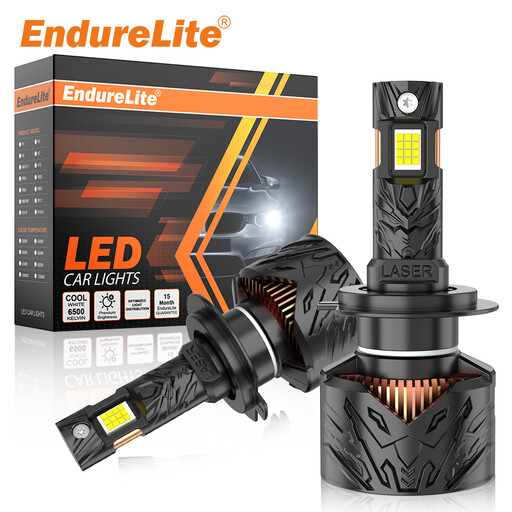
Why This Fits Their Persona: Useful for DIY owners comparing several common fittings, provided the selected connector and vehicle application match.
The listing provides multiple fitting references, plug-and-play installation details and chip-alignment guidance rather than relying on output figures alone.
Fan cooling, CANbus-ready electronics, 6000K colour and a stated 50,000-hour operating life.
Road legality depends on the vehicle, headlamp housing, bulb approval and applicable UK requirements. Not every LED retrofit is suitable for use on public roads. Check official guidance, the vehicle handbook and MOT requirements before fitting.
They can use less electrical power for a comparable lighting application, but the exact consumption varies by design. Check the listed wattage and your vehicle’s electrical system rather than assuming every LED bulb has the same demand.
Some products list a service life of 50,000 hours, but this is a stated specification rather than a guaranteed lifespan. Heat, fan wear, moisture, vibration and voltage stability can affect real-world durability.