
24/7 Customer Support

Free returns

Same-day & Next-day Delivery

Quality Guaranteed

Unlock Your Welcome Offers: FREE Delivery | Up to 80% OFF | Free 30-day JoyPlus trial
Download the APP
As a Joybuy Product Recommendation Officer, I often see car owners in the UK looking for a straightforward way to bring back their vehicle's shine. Whether it's the persistent dullness from sun exposure or the fine scratches from daily use, tired paintwork can make a car look older than it is. The market is filled with products promising a showroom finish, but choosing the wrong one can lead to wasted money and, in some cases, even damage your paint.
Before you add anything to your basket, let's look at the common pitfalls that many DIY car enthusiasts fall into. Understanding these will help you select a product that actually works for your vehicle.
To make an informed choice, you need to look past the marketing slogans and focus on a few key parameters. These factors determine whether a product is suitable for your car's specific condition and your skill level.
The primary function of a car paint restorer is to gently remove the damaged top layer of your paintwork. This is achieved with micro-abrasives.
Choosing the right level of abrasiveness is crucial. For most DIY applications, a mild restorative compound is the safest and most effective option.
You will often see "silicone-free" noted on product descriptions. While silicone can provide a quick, impressive shine, it can cause problems down the line. If you ever plan on having bodywork or paint repairs done, silicone residue can prevent new paint from adhering properly, leading to a costly and difficult removal process. For this reason, many detailers and body shops prefer silicone-free formulas.
How a product is applied can affect both the ease of use and the final result.
Instead of a generic list, we've matched some of our recommended products to specific types of car owners. This helps you find a solution that aligns with your vehicle, your goals and your comfort level.
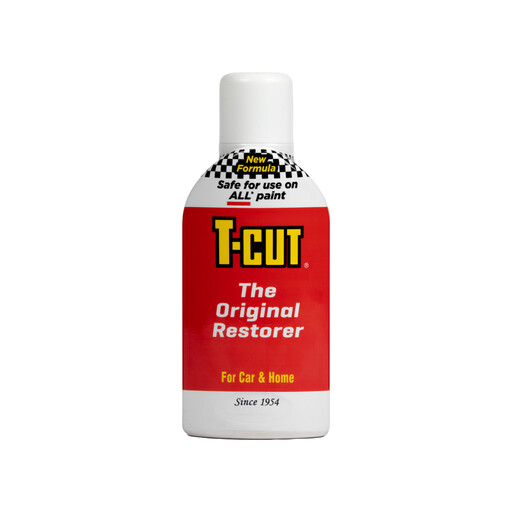
Why This Fits Their Persona: This user values tradition and proven results for their older vehicle. The classic CarPlan T-Cut formula has been a staple in UK garages for decades, trusted to handle the oxidation and faded paint common on classic cars, caravans and boats.
It is a dedicated restorer, not a simple polish. Its purpose is clear: to correct paint imperfections, directly addressing the pitfall of choosing a product that only adds a temporary shine without fixing the root cause.
The formula is designed to remove oxidation, ingrained road grime and light scratches. It is also silicone-free, which is a significant benefit for any future paintwork.
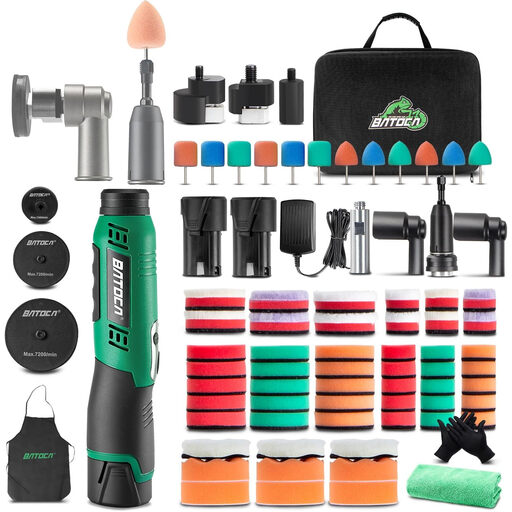
Why This Fits Their Persona: This user knows that the tool is just as important as the chemical. They want a flawless, even finish that is difficult to achieve by hand. This cordless mini polisher provides the consistency and power needed to work a car scratch remover or restorer into the paint effectively.
It directly counters the pitfall of poor application. A machine polisher ensures the compound is worked in evenly, preventing the uneven pressure of hand application that can create new, finer scratches or hazy spots.
The dual-action (DA) and rotary (RO) modes offer versatility, while the multiple pad sizes allow for detailed work on intricate areas like door pillars, bumpers and mirror caps. It delivers a more professional and consistent result.
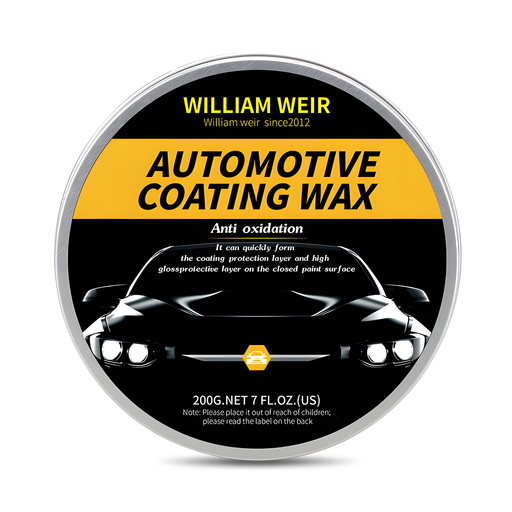
Why This Fits Their Persona: This car owner understands that restoration is only half the job. After correcting the paint, their priority is to protect it. They are looking for a high-quality wax to seal in the shine and defend the paintwork from UV rays, rain and road grime.
This product directly solves the third pitfall: leaving restored paint unprotected. By applying this wax after using a restorer, you create a durable barrier, ensuring your hard work lasts for months, not days.
Formulated with natural carnauba wax, it delivers a deep, mirror-like gloss. Its hydrophobic properties create a water-repellent layer that helps keep the car cleaner for longer.
We have compiled a complete, real-time list of products that fully satisfy these strict selection criteria and UK safety regulations.
A restorative compound should be used sparingly. As it removes a very thin layer of paint, it's not intended for weekly or even monthly use. It's best reserved for when you notice significant fading, oxidation or an accumulation of fine scratches, perhaps once every year or two. For regular maintenance, use a quality car wash and wax.
Yes, it is highly recommended. A car paint restorer will strip away any old wax or sealant, leaving the paint clean but unprotected. Applying a layer of car wax afterwards is a crucial step to protect the newly exposed surface from UV rays, moisture and dirt, and to lock in the shine you've just restored.
No. Products like these are designed for light surface imperfections, such as fine scratches, swirl marks and oxidation where the damage is only in the top clear coat or paint layer. If you can feel a scratch with your fingernail, it is likely too deep for a DIY restorer to fix completely and may require professional attention or a touch-up pen.