
24/7 全天候客户支持

免费退货

当日/次日达

品质保障

开启新人专享福利: 全场免邮 | 低至 2 折 | 免费试用 30 天 JoyPlus 会员
下载 Joybuy
A car phone holder can make navigation and hands-free access more convenient, but choosing the wrong design may leave your phone vibrating, blocking your view or falling from the dashboard. UK drivers also need to consider whether the mount interferes with airbags, controls or visibility.
Whether you commute daily, deliver parcels, drive a taxi, travel in a van or take regular road trips, compare the mounting method, phone compatibility and charging requirements before buying. A low-priced mount is not necessarily poor value, but an unsuitable fit can make it unusable.
A mount described as universal may still require a specific surface or vent shape. Suction cups usually need a smooth, clean dashboard or windscreen. Textured, leather or heavily curved dashboards may not create a reliable seal.
Air vent phone holders also have limitations. Some require horizontal or vertical louvres with a particular blade thickness, while circular, recessed or hidden vents may not accept the clip securely.
A magnetic car phone mount normally requires a compatible magnetic case, magnetic ring or supplied metal disc. A phone without magnetic attachment may not stay in place. Thick, metal-backed or poorly positioned cases can also reduce the holding force or interfere with alignment.
Before choosing a magnetic design, check whether your smartphone and case support the required attachment system. Do not assume that wireless charging and magnetic mounting are the same feature.
A wireless charging car phone holder requires a compatible Qi-enabled smartphone and a suitable power connection. Charging performance may vary depending on the phone model, case thickness, temperature and vehicle power supply.
Some products also require a USB cable or cigarette-lighter adaptor, which may not be included. Check the listing carefully so that the total running setup does not cost more than expected.
Choose the installation method around your vehicle rather than the appearance of the holder:
Never position a mount over an airbag panel or where it could obstruct deployment. Check the vehicle handbook and adjust the phone so that it does not block road visibility, mirrors or important controls.
Compare the holder’s stated range with your phone and case. The A2C wireless charging mount listed below supports smartphones from 4.0 to 7.2 inches, while the A2C automatic air vent holder supports 4.7 to 6.9-inch phones.
For magnetic models, check the maximum case thickness and whether a magnetic ring is needed. A bulky protective case can affect both grip and charging alignment. If you use a large phone, rugged case or battery case, a clamp-style adjustable car phone holder may provide a more predictable fit than a magnetic disc.
A mount should place the screen at a useful angle without requiring constant readjustment. Look for features such as:
A one-handed phone holder can be convenient when parked or when legally safe to use, but do not adjust or handle a phone while driving. Hands-free access does not remove the need to maintain full attention on the road.
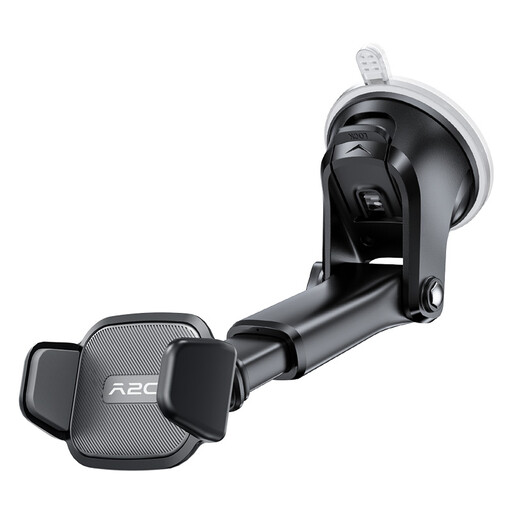
Why This Fits Their Persona: A straightforward choice for commuters and occasional drivers who want a dashboard or windscreen mount without a charging function.
Its suction installation requirements are clearly stated: use a clean, dry, smooth dashboard or windscreen. This helps avoid buying it for a textured or leather dashboard where the seal may fail.
Dashboard or windscreen mounting; listed as compatible with cars, SUVs, trucks and vans with suitable smooth surfaces.
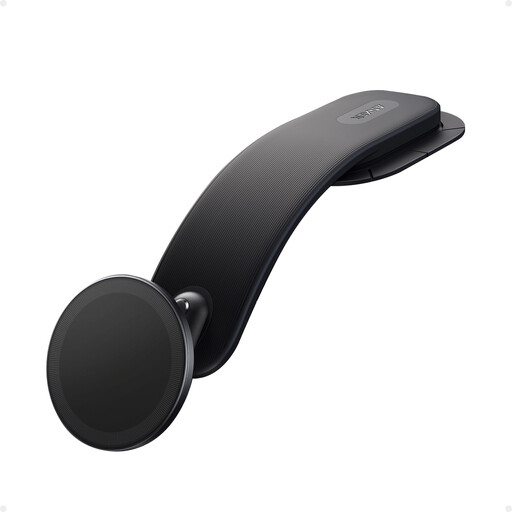
Why This Fits Their Persona: Suits drivers who prioritise a compact magnetic system and frequent angle changes for navigation or calls.
The listed magnetic force is 16N, while the product also specifies a compatible magnetic attachment system. Buyers can check their case before ordering rather than relying on the word “universal”.
360-degree rotation and up to 45-degree tilt; detachable design with a stated 3M adhesive mounting base.
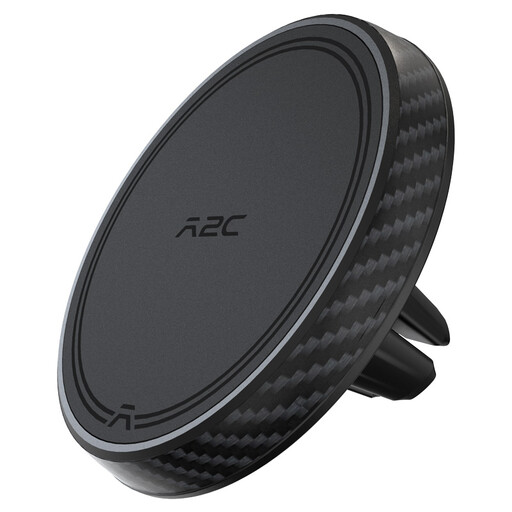
Why This Fits Their Persona: Useful for drivers who want a compact air vent phone holder with wireless charging for compatible iPhone and Android devices.
The listing states that the phone must support both wireless charging and magnetic attachment. It also recommends cleaning the installation area and tightening the rear locking knob to reduce movement.
Supports listed phone sizes from 4.0 to 7.2 inches; designed for standard horizontal or vertical air vents, with dashboard and windscreen options noted.
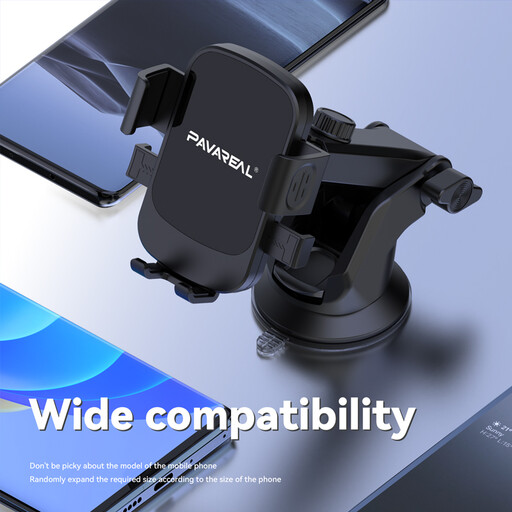
Why This Fits Their Persona: A practical option for van, truck, taxi and RV users who need a removable mount across different vehicles with smooth surfaces.
The stated 70mm suction cup requires a smooth windscreen or dashboard, making the surface limitation clear. The installation instructions also specify cleaning and locking the lever securely.
Two installation methods are listed; compatible with smartphones under 300g and a range of cars, SUVs, trucks, vans and RVs.
A mounted phone is not the same as holding a phone, but drivers must still use it responsibly and avoid distraction. Do not handle the device while driving, and do not place a mount where it blocks your view, controls or airbag deployment area. Set navigation before moving and stop safely if you need to make adjustments.
Lifespan depends on heat, sunlight, dust and the surface used. Clean the suction cup and mounting area regularly, release the vacuum before removal and avoid leaving it exposed to direct summer sunlight for long periods. Replace or reposition it if the seal weakens, the material becomes brittle or the mount begins to move.
The mount uses power from the vehicle through a USB port or adaptor. Its effect on fuel or battery use is generally small during normal journeys, but charging speed depends on the phone, cable, power source and mount specification. Check whether the cable and adaptor are included before purchasing.