
24/7 Customer Support

Free returns

Same-day & Next-day Delivery

Quality Guaranteed

Unlock Your Welcome Offers: FREE Delivery | Up to 80% OFF | Free 30-day JoyPlus trial
Download the APP
Seeing your car's paintwork marred by swirl marks, light scratches and a general lack of lustre can be frustrating. While regular washing helps, it doesn't restore the deep, reflective shine your vehicle had when it was new. A high-quality car polisher is the key to correcting these imperfections and achieving a professional-grade finish at home.
Navigating the market for a car polishing machine can be confusing, with countless models all making bold claims. This guide is designed to cut through the clutter. As a Joybuy Product Recommendation Officer, my role is to provide clear, practical advice to help you select a tool that fits your needs, whether you're a weekend detailing enthusiast or a seasoned pro. We will look at what makes a good auto detailing polisher and highlight a few standout options.
Before diving into specific models, understanding a few core features will help you make an informed decision.
Your first decision is often about the power source. A cordless car polisher offers unparalleled freedom of movement, allowing you to work anywhere without being tethered to a power socket. This is ideal for quick touch-ups or working on a vehicle parked away from a garage. In contrast, a corded electric car buffer provides consistent, uninterrupted power, which can be a significant advantage during long, intensive paint correction sessions.
This is perhaps the most critical distinction. A rotary polisher spins on a single axis, generating significant heat and friction. It offers fast correction but requires skill and experience to avoid burning or damaging the paint.
For most users, a dual action polisher, also known as an orbital polisher, is the safer and more versatile choice. This type of machine spins the pad while also oscillating in a random pattern. This action mimics the movement of the human hand, significantly reducing heat build-up and preventing swirl marks. It makes the tool far more forgiving for beginners while still delivering excellent results.
Look for a machine with adjustable speed settings. Lower speeds (around 2,000-3,000 RPM/OPM) are perfect for spreading wax or sealant, while higher speeds are needed for cutting and polishing compounds to remove defects. A machine with a comfortable grip and balanced weight will also reduce fatigue, allowing you to work longer and achieve a more consistent finish across the entire vehicle.
Based on their features, user-friendliness and intended applications, here are our recommendations.
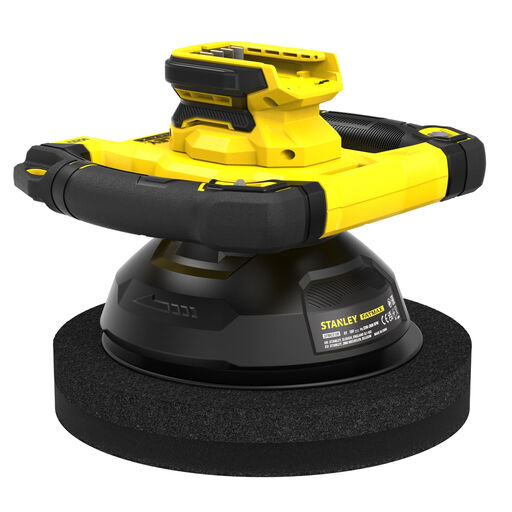
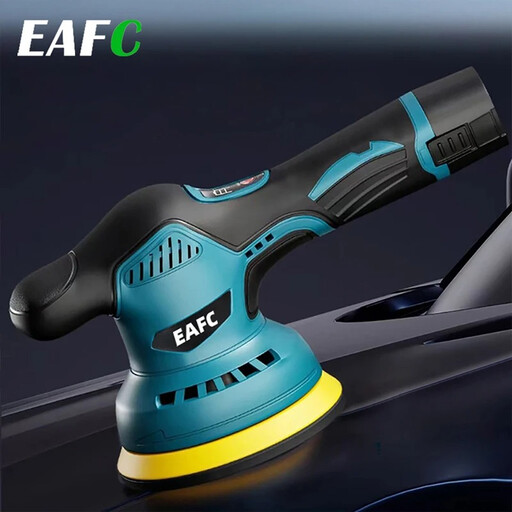
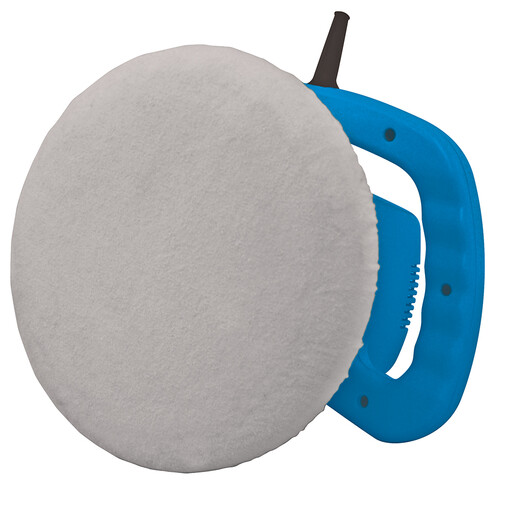
Our recommendations cover a range of common needs, but the world of auto detailing polishers is vast. If you're looking for a different size, power source or feature set to perfectly match your project, we invite you to browse our full collection.
Explore our complete range of Polishing Tools
The terms car polisher and car buffer are often used interchangeably in the UK. Generally, "polishing" implies a more corrective action to remove imperfections, while "buffing" can refer to the final step of refining the shine or applying a protective layer like wax. Most modern machines, especially a dual action polisher, are designed to do both tasks effectively.
Absolutely. Using a machine as a car waxer is far more efficient than applying by hand. Simply attach a soft foam finishing pad, apply a few small drops of your favourite wax or sealant to the pad and spread it across the paintwork on the machine's lowest speed setting. It ensures a thin, even coat for maximum protection and shine.
Yes, an orbital polisher is the most recommended type for beginners. The random oscillation of the pad prevents heat from building up in one spot, which drastically reduces the risk of burning or damaging the clear coat. This built-in safety feature allows newcomers to achieve fantastic results with confidence.