
24/7 Customer Support

Free returns

Same-day & Next-day Delivery

Quality Guaranteed

Unlock Your Welcome Offers: FREE Delivery | Up to 80% OFF | Free 30-day JoyPlus trial
Download the APP
Adding a star-effect ceiling to your car can transform its interior from standard to stunning. This modification, once reserved for ultra-luxury vehicles, is now accessible through DIY kits. However, the market is filled with options that can easily lead to a disappointing result after hours of work. As the Joybuy Product Recommendation Officer, my role is to help you navigate the choices and focus on the features that deliver a truly premium finish.
Before you commit, be aware of a few common pitfalls that can turn your dream project into a frustrating waste of time and money.
To ensure your investment and effort pay off, focus on these non-negotiable technical specifications.
The fibres are the heart of your star roof lights for car. Pay close attention to these three details:
The light engine is the "brain" that powers your fibre optic ceiling lights.
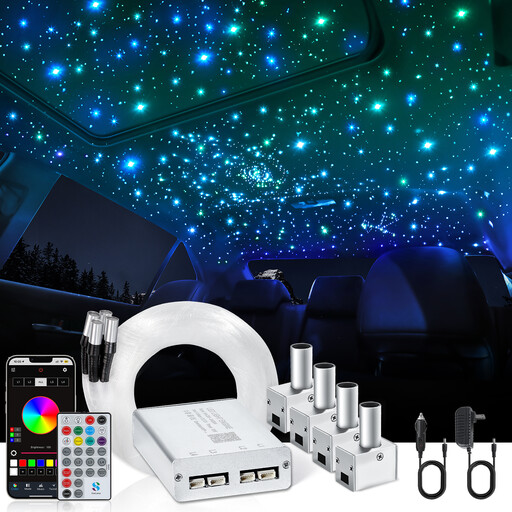
Why This Fits Their Persona: For the enthusiast who is ready for a serious DIY project and wants a high-end, dense starfield effect. This kit is designed for those who want to replicate the premium finish found in luxury cars.
This is a full RGBW kit, providing pure white light. With 1000 fibre strands at 3 metres (9.8ft) long, it avoids the sparse sky flaw and fits most vehicles. The app control offers advanced modes beyond a simple "twinkle".
The 4-port split light engine allows for more even light distribution across the headliner, preventing dim spots. It also supports setting different colours for each of the four zones simultaneously.
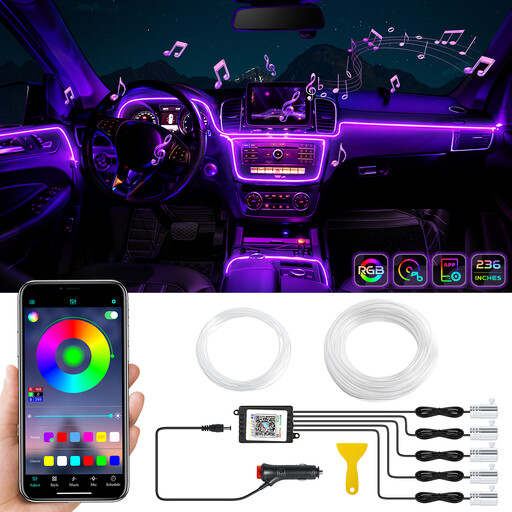
Why This Fits Their Persona: Ideal for someone who wants to add custom lighting without the intensive labour of a full headliner installation. It's a great entry point into car interior ambient lighting mods.
This kit sidesteps the entire headliner removal process. The fibre optic tube is designed to be tucked into existing panel gaps on the dashboard or doors, making it a much simpler and reversible modification.
It offers many of the same advanced features as a starlight kit, including app control and a sound-active function, but with a significantly easier installation powered by a simple car charger plug.
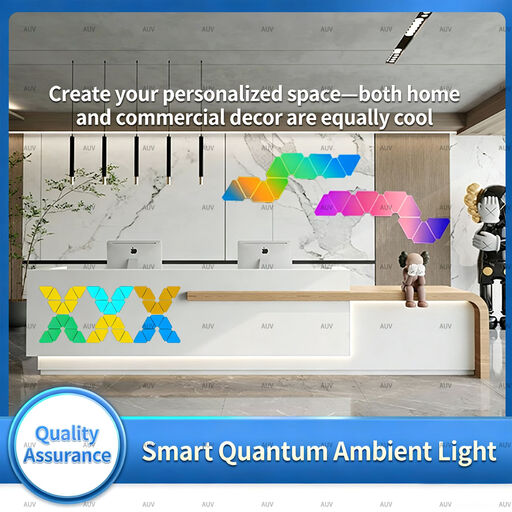
Why This Fits Their Persona: For the car hobbyist whose passion for customisation extends to their gaming room or garage workshop. This allows them to create a cohesive, tech-forward aesthetic across their personal spaces.
This avoids the trap of a disjointed aesthetic. By using app-controlled, music-syncing lights in their home setup, they can match the vibe of their customised car, creating a unified theme for their hobby.
The modular, DIY-splicing design appeals to the same creative mindset as car modification. The panels can be arranged in any pattern, offering total creative freedom for a personalised wall feature.
We have compiled a complete, real-time list of products that fully satisfy these strict selection criteria and UK safety regulations.
This is not a quick job. For a first-time installer, it is wise to set aside a full weekend. The process involves carefully removing your car's headliner, plotting and drilling potentially hundreds of tiny holes, patiently feeding each fibre optic strand through, securing them and wiring the light engine to a power source.
Modern LED-based kits are highly efficient, typically drawing less than 1 amp of power. When wired correctly to an ignition-switched 12V source (like the fuse for your cigarette lighter or stereo), the kit will only receive power when the car is running or in accessory mode. This prevents any risk of draining the battery when the car is parked and turned off.
Yes, absolutely. The strands are made of a polymer (PMMA) and are designed to be trimmed to size. After you have installed the headliner back into the car, you should use a very sharp craft knife or flush-cut pliers to trim the excess fibre length, making them perfectly flush with the headliner fabric for a clean, professional finish.