
24/7 Customer Support

Free returns

Same-day & Next-day Delivery

Quality Guaranteed

Unlock Your Welcome Offers: FREE Delivery | Up to 80% OFF | Free 30-day JoyPlus trial
Download the APP
Shopping for car toys can look simple until you compare age ratings, battery requirements, construction quality and compatibility. A low-priced toy may lack replacement parts, while an impressive-looking model may be too complex for the intended user. For UK households, the right choice depends less on flashy packaging and more on where, how and by whom the product will be used.
This guide from the Joybuy Product Recommendation Officer focuses on practical selection points, common buying traps and suitable options for children, collectors, LEGO enthusiasts and car owners.
Some toy cars look highly detailed but offer limited interaction. A die-cast model may be ideal for a shelf or simple rolling play, whereas remote control cars, racing car toys and stunt cars for kids require usable floor space and a suitable controller.
Before buying, check whether the product is intended for:
A detailed model is not automatically suitable for a young child, and an RC vehicle may not be practical in a small flat.
Age labels are important for both safety and enjoyment. Building kits and LEGO car sets often contain small components, while some remote control cars require more precise hand control than a preschool child may have developed.
Look for the stated age range, choking-hazard warnings and supervision guidance. For products sold in Great Britain, check the packaging and listing for appropriate CE or UKCA marking, along with manufacturer or responsible-person details where applicable. Do not remove packaging until age and safety information has been checked.
Battery-powered toys can cost more to run than expected. Check whether batteries are included, how long a charge lasts and whether the vehicle uses a proprietary rechargeable pack or standard batteries. Also consider spare tyres, charging cables and storage.
For car track sets, measure the available floor area before ordering. For collectors, check the scale, display dimensions and whether the model is supplied assembled or requires construction.
For children aged three and over, choose products with a clearly stated age range. The construction truck set described below is listed for children aged 3 years and above, while the GTR RC drift car is intended for ages 8 and over. More complex car building kits may suit older children or adults.
Age guidance should match the child’s actual ability, not just their interest in cars. A younger child may enjoy large friction-powered construction vehicle toys, while an older child may prefer an RC crawler or a mechanical transporter kit.
Remote control cars vary considerably. Useful specifications include:
A 4WD model may be more appropriate for outdoor surfaces, but it can be faster and more difficult to control. A friction-powered toy car avoids charging altogether and can be easier for younger users.
For toy cars, reinforced plastic, wheel construction and joint strength can affect durability during everyday play. Die-cast cars are usually selected for their metal body detailing and compact scale rather than impact resistance.
For model cars, confirm the scale and finished dimensions. A 1:64 model is small enough for a collection, while larger RC drift cars need more room to turn. Car accessories require a separate check: smooth surfaces must be cleaned before applying adhesive, and glass cleaning tools should not be used on dry, gritty surfaces.
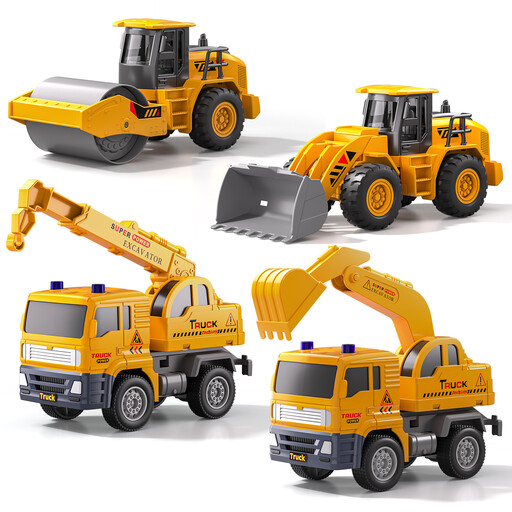
Why This Fits Their Persona: A straightforward choice for families wanting several toy cars for shared, screen-free play without chargers or controllers. It is listed for children aged 3 and above.
The friction-powered design avoids battery replacement and setup issues. Four different vehicles also provide more variety than a single basic car.
Includes an excavator, crane, bulldozer and road roller. The vehicles use push-to-move friction power and are made from ABS plastic.
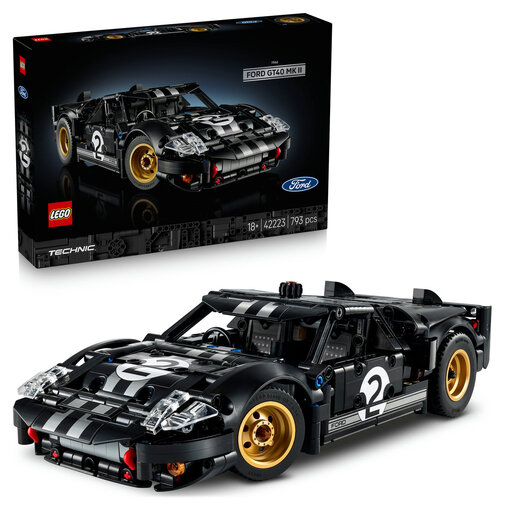
Why This Fits Their Persona: Suits adult builders and classic racing fans looking for a construction project that can become a display model.
The listing clearly identifies it as an 18+ build, helping buyers avoid giving a complex small-part set to a younger child.
Features movable wheels, working steering and a detailed engine. The assembled model measures approximately 28 × 11 × 8 cm.
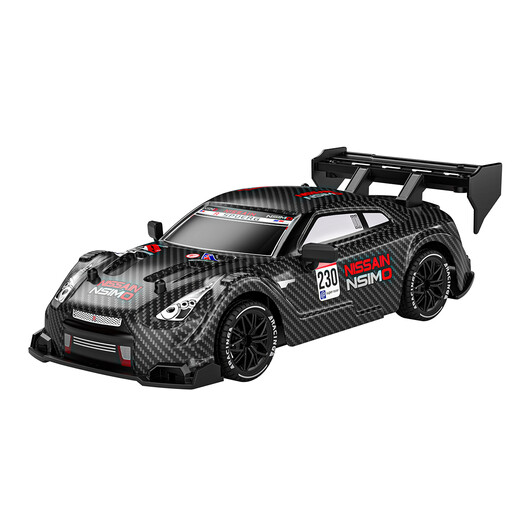
Why This Fits Their Persona: A match for older children and racing fans who want more than simple forward-and-back remote control play.
The listing specifies 4WD drive, replaceable drift and racing tyres and a rechargeable battery, giving buyers clearer information about the intended play style.
Offers 4WD driving, LED lights, USB charging and a stated play time of approximately 20–40 minutes per charge.

Why This Fits Their Persona: Useful for UK drivers who want a compact car accessory for rainy and foggy conditions rather than another play item.
The 22 cm tool extends to up to 98 cm, reducing the need to lean across the vehicle when wiping side mirrors. Rinse away grit before use to reduce scratch risk.
Uses a natural rubber blade and stainless-steel construction. It folds for storage in a glove box, door pocket or dashboard compartment.
We have compiled a complete, real-time list of products that fully satisfy these strict selection criteria and UK safety regulations.
Some are, but suitability depends on the stated age range, speed and controller design. Basic models may suit younger children under supervision, while drift cars and crawler vehicles are generally more appropriate for older users who can manage steering and throttle.
Operating time varies by battery capacity, terrain and driving style. The listed 1:24 GTR RC drift car specifies approximately 20–40 minutes of play per charge. Allow the battery to cool after use and follow the supplied charging instructions.
They can be worthwhile when the child enjoys repeated racing and there is enough floor space for assembly. Check track dimensions, launcher style, included vehicles and compatibility with additional cars before ordering. For smaller spaces, compact die-cast cars or a simple push-powered set may be more practical.