
24/7 Customer Support

Free returns

Same-day & Next-day Delivery

Quality Guaranteed

Unlock Your Welcome Offers: FREE Delivery | Up to 80% OFF | Free 30-day JoyPlus trial
Download the APP
Whether it's a stray coffee during the morning commute, muddy paw prints after a walk in the park or the inevitable crumbs from a child's snack, keeping your car's interior pristine is a constant challenge. Worn, stained or damaged upholstery not only looks untidy but can also significantly reduce your vehicle's resale value. A quality car upholstery protector is a practical investment in maintaining the condition and comfort of your car.
This guide is designed to help you navigate the different types of car interior protection available. We will look at the key factors to consider before you buy and highlight a few recommended products for common situations faced by UK drivers.
Making the right choice depends on your specific needs, from the type of upholstery you have to the kind of protection you require. Here are a few practical points to consider.
The first decision is whether you need a physical barrier or a chemical treatment.
Not all protectors are suitable for all surfaces. Always check the product description to ensure it is compatible with your car's interior, whether it is fabric, Alcantara or leather. Some sprays are formulated specifically for absorbent textiles, while some physical mats have non-slip backings designed to be safe for delicate leather finishes. Similarly, consider the primary purpose. Are you trying to remove an existing mark or prevent future ones? A car seat stain remover is a reactive solution, whereas a protector is a proactive one.
Consider how much effort you are willing to put in. A spray protector is typically a simple "spray-on, let-dry" application that may need to be reapplied every few months. A physical seat protector is a one-time installation, but it should be easy to remove for cleaning. Look for wipe-clean, water-resistant materials that make dealing with messes straightforward.
Based on common user needs and product features, here are our recommendations for protecting your vehicle's interior.
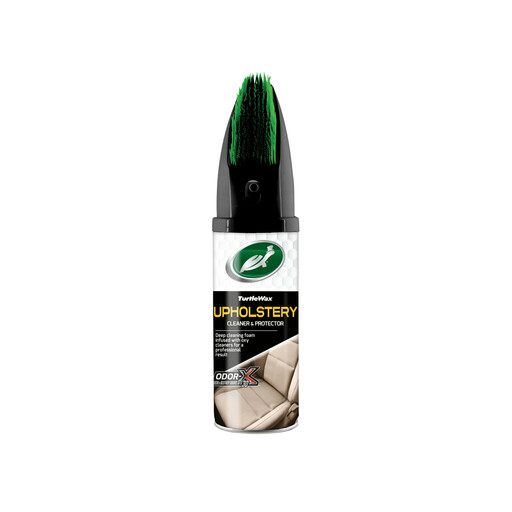
Why It Stands Out: This product is a versatile all-in-one solution. It combines a powerful cleaning foam with a protective barrier, making it ideal for tackling existing light stains while also guarding against future ones. The can features an integrated brush with semi-flexible bristles designed to work deep into fabric without causing damage.
Pros:
Who is it for? This is a great choice for car owners dealing with general wear-and-tear, minor spills or lingering smells. It's particularly useful for families and pet owners who need a single product to both clean up messes and add a layer of protection.
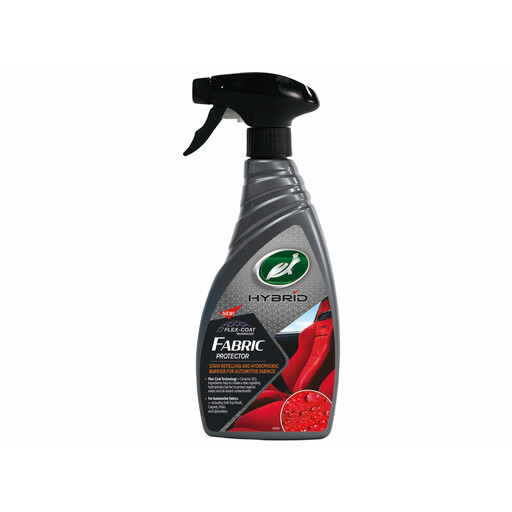
Why It Stands Out: This is a dedicated preventative treatment designed to create a durable, invisible shield over your car's fabrics. According to Turtle Wax, its formula incorporates Ceramic SiO2 ingredients to form a hydrophobic barrier that repels water and oil-based spills without changing the look or feel of the upholstery.
Pros:
Who is it for? This is the ideal solution for owners of new or recently deep-cleaned cars who want to keep their interior in showroom condition. It’s perfect for daily commuters who want peace of mind against accidental spills.
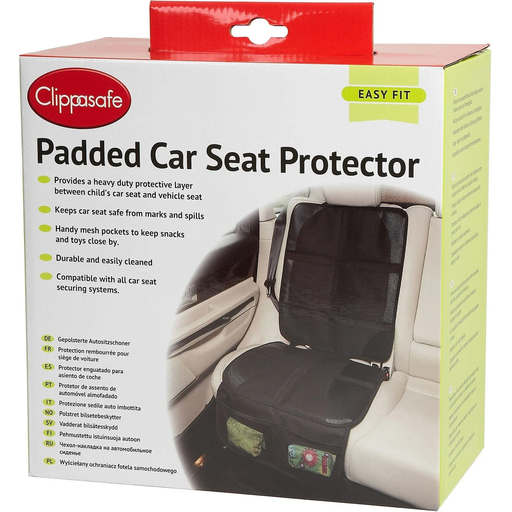
Why It Stands Out: This is a physical car seat protector specifically engineered to mitigate the damage caused by children's car seats. Its high-density foam padding distributes the weight of the seat, preventing permanent indentations and scuffs on both fabric and leather upholstery.
Pros:
Who is it for? This is an essential purchase for parents and guardians. It provides a robust defence against the two main threats from child seats: physical damage from the seat's weight and base, and messes from spills and snacks.
The products highlighted here address some of the most common protection needs, but every car and owner is different. If you are looking for heavy-duty boot liners, specialised leather conditioners or different types of seat covers, there are many other solutions available.
For a wider selection, feel free to explore our full range of car protector products.
1. How often should I apply a car fabric protector spray? This generally depends on the specific product and how heavily the vehicle is used. As a guideline, reapplying every 3-6 months or after a deep interior clean is a good practice to maintain the protective barrier. Always refer to the manufacturer's instructions on the label for the most accurate advice.
2. Can a car seat protector damage my leather seats? A quality under car seat protector for leather seats, like the Clippasafe model, is specifically designed to prevent damage. Look for products with a soft, non-slip backing that is colour-fast and made from materials that will not react with or abrade the leather. It is good practice to remove the protector occasionally to clean any trapped debris and allow the leather to breathe.
3. What is the difference between a car seat cleaner and a protector? A cleaner, or car seat stain remover, is a reactive product formulated to break down and lift existing dirt, grime and stains from the upholstery. A protector is a proactive product that creates an invisible barrier on the surface to prevent future spills and dirt from soaking in and causing a stain. Some products offer both cleaning and protecting functions in a single application.