
24/7 Customer Support

Free returns

Same-day & Next-day Delivery

Quality Guaranteed

Unlock Your Welcome Offers: FREE Delivery | Up to 80% OFF | Free 30-day JoyPlus trial
Download the APP
A clean, glossy car is not necessarily a protected car. Many UK motorists buy car wax expecting it to remove scratches, prevent every stain and last through months of rain, only to find that the result depends on the product, preparation and application method.
Before adding a product to your basket, watch for three common buying traps:
There are several practical types of car wax:
If you wash your car on the driveway at weekends, a spray or wash-and-wax product may save time. If you are preparing a vehicle for winter, a paste wax or sealant may be more suitable.
Look for clear wording about compatibility with clear coats, painted surfaces, chrome and metallic finishes. Some formulas contain cleaners or polishing agents, while others are intended only to protect an already-clean surface.
A carnauba wax can contribute to a warm, glossy appearance, whereas synthetic polymers or sealants are commonly selected for slickness and water repellence. These terms describe formulation and user-perceivable finish; they should not be treated as a guarantee against scratches, stone chips or corrosion.
Always read the label before applying wax to:
When uncertain, test the product on a small, inconspicuous area first.
A product that needs a completely dry car may be inconvenient in the UK, where outdoor detailing conditions can change quickly. Some spray products are designed for use on damp panels, while paste wax generally requires a clean, dry surface.
Preparation matters as much as the formula:
Do not use car wax to cover serious paint damage. For oxidation, tar spots or ingrained road grime, a dedicated paint restorer such as T-Cut may be more appropriate before applying protection.
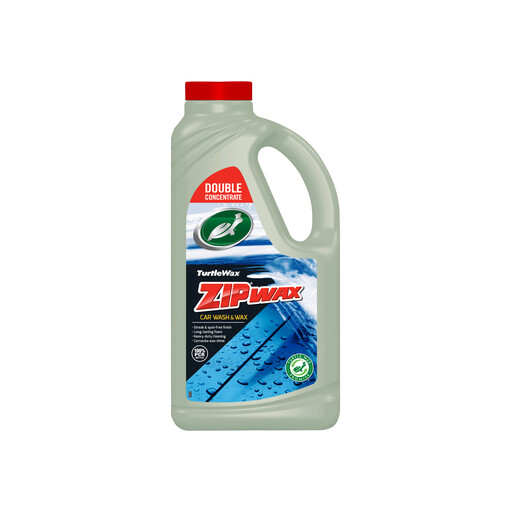
Why This Fits Their Persona: A practical starting point for UK drivers who want to combine routine washing with a light wax finish rather than buy several separate vehicle care products.
It is clearly positioned as a car wash and wax, so buyers do not need to mistake it for a scratch-removing polish or intensive paint restorer.
Double-concentrated 1L format; cleans exterior dirt and leaves a water-repellent finish containing carnauba wax.
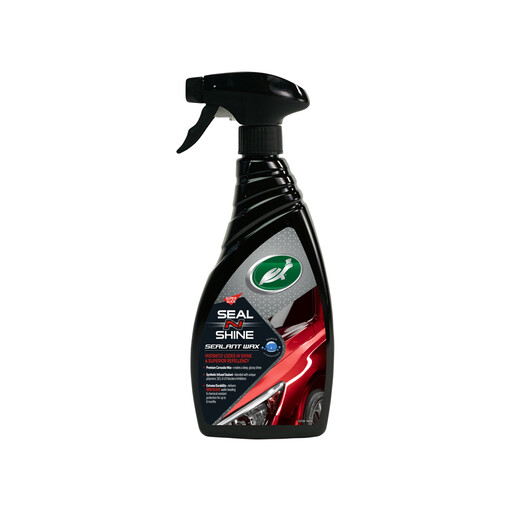
Why This Fits Their Persona: Suits owners who prioritise a slick exterior feel, visible shine and a straightforward rinse-on application after washing.
Its instructions specify application to a freshly washed, wet vehicle, followed by rinsing, helping avoid the common mistake of applying a wet-use formula to a dusty surface.
Contains hydrophobic sealants and natural carnauba waxes; suitable for exterior surfaces when used as directed.
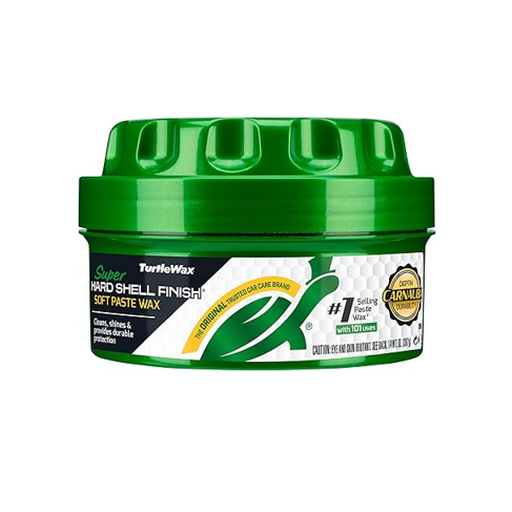
Why This Fits Their Persona: A considered option for detailing enthusiasts and motorists preparing a car for extended seasonal protection or a special occasion.
The dry-surface instructions make its application requirements clear, while the guidance to avoid plastics and rubber trim helps prevent unsuitable use.
397g soft paste format; supplied with an applicator sponge and described as suitable for clear coats, chrome, metal and painted surfaces.
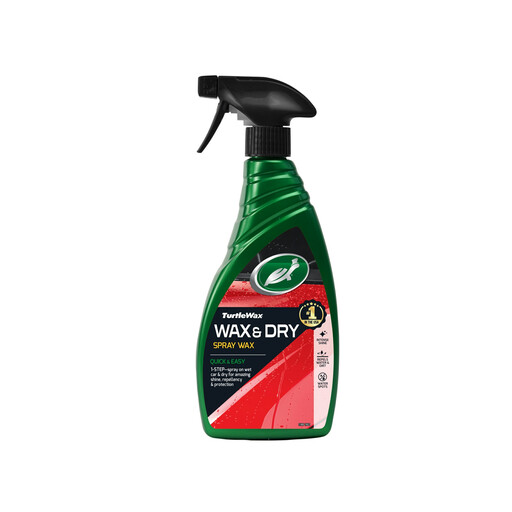
Why This Fits Their Persona: Suitable for busy drivers who want to apply wax during the drying stage rather than schedule a separate paste-wax session.
It is designed for use on a freshly washed, wet car, so its quick application method is clearly different from a traditional dry-panel wax.
Choose car polish or a paint restorer when the paint looks dull, oxidised or marked by ingrained contamination. Choose car wax when the surface is already reasonably clean and you want to enhance gloss and add a layer of protection.
For black paint, a colour-enhancing polish spray may help maintain the appearance of the finish, but it should not be treated as a substitute for correcting deep defects. Likewise, hydrophobic car protection can encourage water to run off, but it will not eliminate the need for washing.
Interior materials need a different product. A car fabric protector is intended for upholstery, carpets, mats or soft-top fabric, not painted body panels. Follow ventilation, drying and overspray instructions carefully.
We have compiled a complete, real-time list of products that fully satisfy these strict selection criteria and UK safety regulations.
There is no universal schedule. Reapply when water no longer beads as it did after application, the surface feels less slick or the product instructions recommend maintenance. Frequent washing, motorway use, winter grit and exposure to rain can shorten the practical interval.
Some spray car wax products specify that they can be used in direct sunlight or damp conditions. Paste wax normally benefits from a cool, dry surface. Check the label, work panel by panel and avoid allowing product residue to bake onto hot paint.
It can be, particularly if you want additional gloss and water repellence between washes. A wash-and-wax product offers a convenient light layer, while a sealant or hard shell car wax requires more preparation but may suit drivers seeking a more deliberate protection routine.