
24/7 Customer Support

Free returns

Same-day & Next-day Delivery

Quality Guaranteed

Unlock Your Welcome Offers: FREE Delivery | Up to 80% OFF | Free 30-day JoyPlus trial
Download the APP
Keeping a car glossy in the UK can be difficult. Rain, road salt, tree sap, bird deposits and winter grime all affect exterior paintwork, while busy motorists often need a product that is quick to apply and easy to remove. The right car wax can improve gloss, add water repellence and make routine cleaning simpler—but choosing by packaging claims alone can lead to wasted money.
This guide explains the main pitfalls, the specifications worth checking and suitable options for different UK driving and detailing routines.
A wash-and-wax product can remove surface dirt and leave a temporary protective layer, but it is not the same as a dedicated vehicle polishing wax or scratch treatment. Light oxidation, water spots and paint transfer may require a product containing cleaners or polishing agents. Deeper scratches that cut through the clear coat will not normally be solved by applying wax.
Look for wording that clearly separates cleaning, polishing, sealing and protection. This makes it easier to choose a realistic product for the condition of your paintwork.
Durability depends on preparation, washing habits, weather exposure and the type of formula used. A spray car wax is generally convenient for regular upkeep, while paste car wax usually involves more preparation and buffing. A car wax sealant may use polymers or hydrophobic ingredients to form a protective layer, but the actual lifespan still varies.
Treat stated durations as product guidance rather than a guarantee. Reapply when water no longer beads consistently or when the surface loses its slick feel.
Car wax is formulated for automotive paint, clear coats, chrome or other exterior materials, depending on the label. A furniture finishing wax, for example, is intended for painted indoor furniture and should not be substituted for automotive wax. The Rust-Oleum Furniture Finishing Wax Clear 400ml is described for use over fully cured furniture paint and is marked for indoor applications, so it is not an appropriate choice for vehicle paintwork.
Also check whether the product should be kept away from black plastic, rubber trim or glass. Always follow the directions and test an inconspicuous area first.
Choose according to the time and equipment available:
Carnauba wax is commonly used in traditional wax formulas and is associated with a warm, glossy appearance. Synthetic polymers, PTFE or hydrophobic sealants may be included to support slickness and water repellence. These ingredients do not make every formula interchangeable, so check the specific usage instructions and finish claimed by the manufacturer.
For dark paint, colour-enhancing products may help disguise minor visual blemishes temporarily, but they should not be regarded as a permanent scratch repair.
A reliable application generally requires:
Check the bottle or tin for coverage guidance, drying time, suitable surfaces and storage advice. In the UK, a sheltered driveway or garage is often more practical than applying wax in direct rain or strong sunlight.
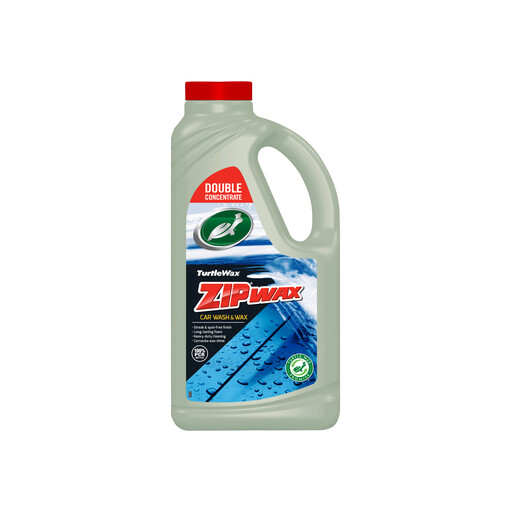
Why This Fits Their Persona: A practical starting point for motorists who want to wash and add a light wax layer in one routine, without buying several separate products.
Its description identifies it as a wash-and-wax formula, so buyers can distinguish routine cleaning from dedicated scratch correction or polishing.
Double-concentrated 1-litre format; designed to clean road grime and leave a streak-free finish with added wax.
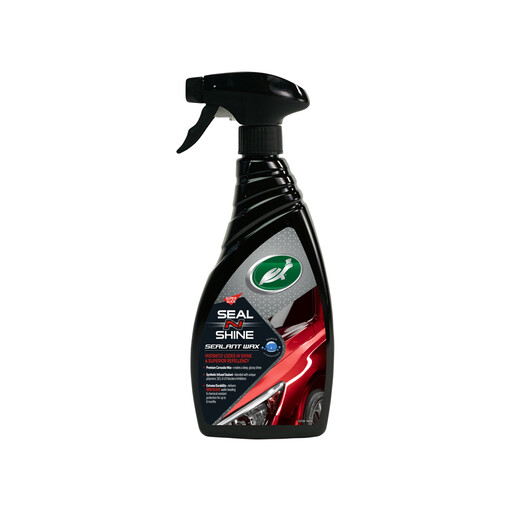
Why This Fits Their Persona: Suitable for owners who prioritise a glossy, slick finish and a quick rinse-on application after washing.
The application method is clearly defined: mist onto freshly washed, wet panels, rinse with a firm stream and towel-dry remaining drops.
Contains hydrophobic sealants and natural carnauba waxes; suitable for all exterior surfaces according to the product description.
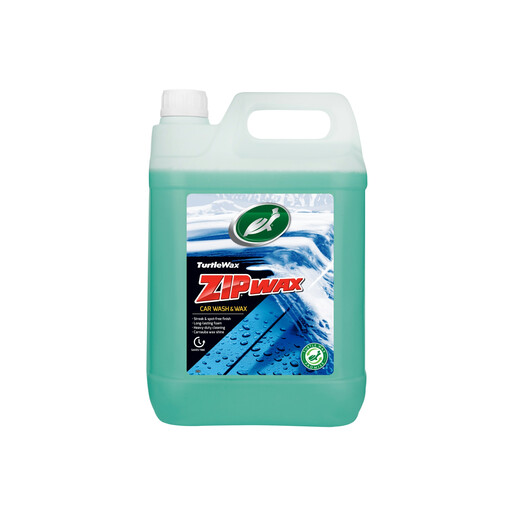
Why This Fits Their Persona: The larger format is suited to households with multiple vehicles, frequent washing routines or motorists covering high annual mileage.
The 5-litre size makes the volume clear, helping frequent users compare quantity rather than selecting a smaller bottle based only on front-label claims.
Super-concentrated wash-and-wax formula; intended to remove oils and road grime while leaving a water-repellent finish.
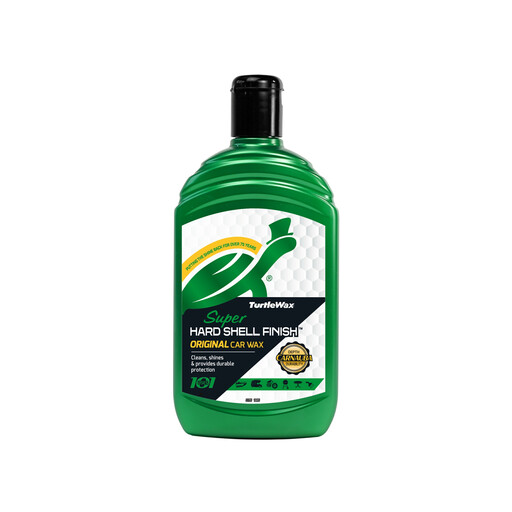
Why This Fits Their Persona: A suitable match for drivers who want a traditional hard shell car wax with light cleaning action as part of periodic paintwork care.
The description specifies gentle cleaners and no harsh abrasives, while making clear that the product is for light surface enhancement rather than deep scratch removal.
Contains cleaners and waxes; designed to enhance gloss and provide protection against the elements without hard buffing.
We have compiled a complete, real-time list of products that fully satisfy these strict selection criteria and UK safety regulations.
There is no universal interval. Check the product directions and monitor the surface. If water no longer beads or the paint feels less smooth after washing, it may be time to reapply. Frequent washing, outdoor parking and winter road salt can shorten the useful protection period.
Generally, yes. Spray products usually require less buffing and can be applied during or shortly after washing. Paste car wax needs a clean, dry surface and more deliberate panel-by-panel work, but it may suit motorists who prefer a traditional application routine.
Some products are designed to reduce the appearance of light scratches, swirls, water spots or paint transfer. For example, a dedicated scratch repair wax may combine cleaning or polishing ingredients with a sealing layer. However, wax cannot be assumed to repair deep damage. If a scratch catches your fingernail or exposes a different underlying colour, professional assessment may be more appropriate.