
24/7 Customer Support

Free returns

Same-day & Next-day Delivery

Quality Guaranteed

Unlock Your Welcome Offers: FREE Delivery | Up to 80% OFF | Free 30-day JoyPlus trial
Download the APP
Caramel snacks and treats cover a wide range of products, from chocolate bars and caramel wafers to salted caramel snacks, sauces, ice cream and drinks. That variety is useful, but it can also make shopping confusing. A product may look generous on the front of the pack yet offer small portions, limited allergen information or poor value once you calculate the cost per serving.
Before adding a caramel multipack or dessert to your basket, look beyond the flavour description. The following checks can help you avoid common purchasing pitfalls and match your choice to the occasion.
A large tub or sharing block does not always provide the lowest cost per portion. Compare the total net weight, number of individually wrapped pieces and suggested serving size. A 16-pack of 20g biscuits may be more practical for lunchboxes than one large bar, even if the total weight is similar.
Caramel protein bars can provide useful protein or fibre, but these products may still contain considerable energy, sugars, fat or salt. Read the nutrition panel per serving rather than relying only on front-of-pack wording. For example, the Nature Valley Protein Salted Caramel Nut Bar lists 10.4g of protein and 5.5g of fibre per 40g bar, while also providing 202 kcal.
Caramel recipes commonly include milk, soya, wheat, peanuts, tree nuts or eggs. “May contain” statements also matter for people managing allergies. Frozen products such as caramel ice cream require storage at -18°C or below, while opened caramel sauce often needs refrigeration and prompt use. Always check the current packaging, as ingredients and advice can change.
If you need vegetarian, gluten-free or nut-free options, check the full ingredient list rather than relying on the product name. For example:
A product described as “caramel flavour” may use caramelised sugar, caramel powder or flavourings, so compare the ingredient order if the recipe matters to you.
Choose the format according to how you plan to eat it:
Individually wrapped items can reduce mess and help with portion planning, while large tubs may offer better convenience for parties but require secure resealing.
Use the per 100g panel to compare products and the per serving panel to understand what you will actually eat. A sauce may contain around 49–59.6g of sugars per 100g, but the amount used on a dessert is usually much smaller. This does not make it a low-sugar product; it simply shows why serving size matters.
For freshness, keep ambient products in a cool, dry place and protect chocolate from heat. Once opened, refrigerate sauces according to the label. Frozen desserts should not be refrozen after thawing. Check the printed date and packaging condition before serving, particularly when buying a caramel multipack for a party or gift.
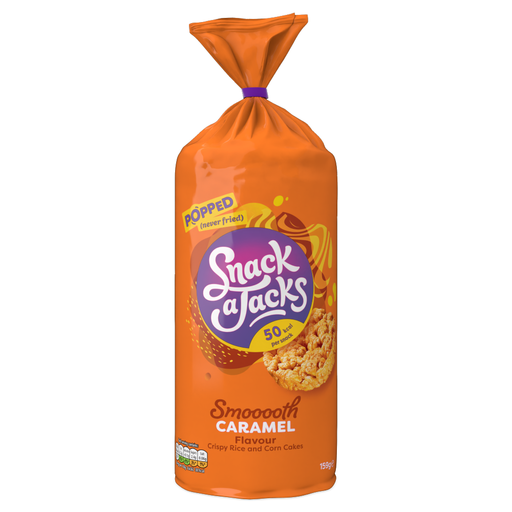
Why This Fits Their Persona: A lightweight, ready-to-eat option for shoppers wanting a sweet caramel snack for desk breaks, packed lunches or casual everyday eating.
The pack states 13g per snack, making portion size clearer than an unsegmented sharing bar. It is also popped rather than fried.
159g pack; vegetarian suitability; 51 kcal per stated 13g snack according to the supplied nutrition information.
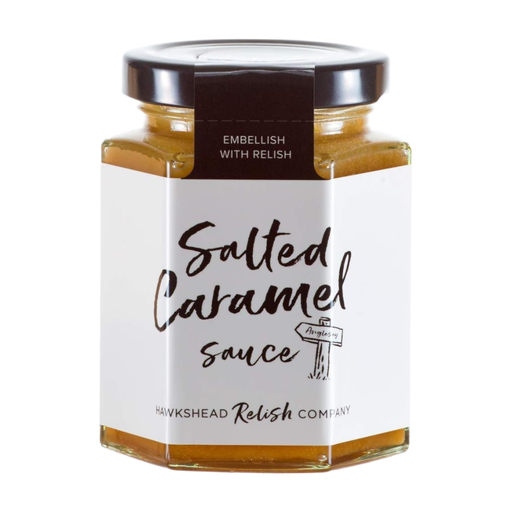
Why This Fits Their Persona: A jarred sauce for adding a more considered finishing touch to pancakes, cheesecakes, tarts or ice cream at home.
The ingredient list identifies butter, cream and Anglesey Sea Salt PDO, while storage guidance clearly separates unopened and opened conditions.
210g jar; made with butter and cream; refrigerate after opening and use within one month.
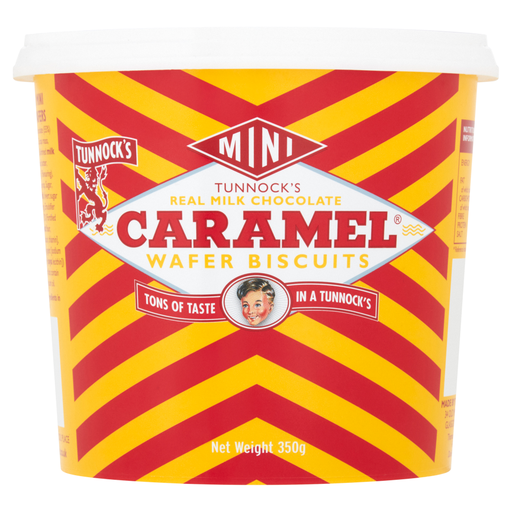
Why This Fits Their Persona: A resealable tub suited to parties, office meetings, family sharing or keeping caramel wafers available at home.
The 350g tub gives a clearly stated total quantity, and the resealable lid helps protect the wafer texture after opening.
Five wafer layers with caramel and milk chocolate; suitable for vegetarians; made in Scotland.

Why This Fits Their Persona: A four-pack of individually sized frozen desserts for family sharing, summer gatherings or keeping a dessert option in the freezer.
The pack states four 90ml sticks, so the serving format is clear. The label also provides storage instructions and allergen information.
Vanilla ice cream, chocolate-flavour coating and caramel sauce centre; suitable for vegetarians; store at -18°C or below.
We have compiled a complete, real-time list of products that fully satisfy these strict selection criteria and UK safety regulations.
Individually wrapped products are usually the most practical for lunchboxes. Consider the Cadbury Dairy Milk Caramel 4 Pack, Twix Biscuits Chocolate and Caramel Multipack or a small caramel protein bar. Check school policies, especially where peanuts, tree nuts or other allergens are restricted.
It depends on the product. Carnation Drizzle Caramel advises refrigeration and use within one week after opening, while Hawkshead Relish Salted Caramel Sauce advises refrigeration and use within one month. Joe & Seph’s Sticky Toffee Caramel Sauce advises refrigeration and consumption within six weeks. Follow the specific jar label rather than applying one rule to every sauce.
Divide the pack price by the number of bars, biscuits or portions, then compare the result with the net weight and storage requirements. A multipack may offer convenience and portion control, while a larger tub may suit sharing. Also account for freezer space, delivery conditions and whether the product will be used before its printed date.