
24/7 Customer Support

Free returns

Same-day & Next-day Delivery

Quality Guaranteed

Unlock Your Welcome Offers: FREE Delivery | Up to 80% OFF | Free 30-day JoyPlus trial
Download the APP
By Joybuy Product Recommendation Officer
A carbohydrate energy powder can be a convenient way to add measured carbohydrates to a drink before, during or after exercise. However, choosing one by flavour or an attractive “performance” claim can lead to wasted money. The useful comparison is not simply how energetic the packaging looks, but whether the product’s carbohydrate content, serving instructions and dietary suitability match your routine.
A tub may display a high carbohydrate figure per 100g, while the recommended serving is considerably smaller. For example, Applied Nutrition Carb X products provide 24g of carbohydrate per 25g serving, whereas the Endurance Fuel-style powders provide approximately 47.8g per 50g serving. Compare like for like and check how many servings the pack provides.
A carbohydrate-only drink may be practical for gym sessions or shorter training. Longer runs, rides and events can also involve fluid and salt losses. A carbohydrate and electrolyte powder may be more appropriate for prolonged activity, while an energy gel for endurance athletes can be easier to carry when there is no convenient bottle-mixing point.
“Vegan”, “gluten-free” and “Halal” are useful suitability details, but they should be checked against the current packaging. Some products may be made in facilities that handle milk, egg, soya, fish, celery or cereals containing gluten. People with allergies or intolerances should always read the label supplied with the product rather than relying only on an online description.
Start with the number of grams per serving, not just the percentage per 100g. Carb X contains 24g of carbohydrate in a 25g serving, with zero fat and zero sugar listed in the supplied nutrition information. The Endurance Energy & Hydration powders provide approximately 47.8g of carbohydrate per 50g serving, plus electrolytes.
This distinction matters because a serving intended for a long cycling session may be more concentrated than one designed for flexible intra-workout use. Follow the stated dosage and avoid increasing intake simply because a session feels demanding.
Some products use Highly Branched Cyclic Dextrin (HBCD), also known as Cluster Dextrin, while others combine maltodextrin and fructose. These are different formulations, so do not assume they will taste or feel identical when mixed.
Carb X uses HBCD and is described as a highly soluble carbohydrate powder. Endurance Fuel products use maltodextrin and fructose, with a suggested mix of 50g in 500–750ml of water. The amount of water changes the drink’s concentration and taste, so check whether the instructions fit your bottle size.
If hydration is part of your plan, check the actual electrolyte quantity. The supplied Endurance Energy & Hydration formula lists 300mg of electrolytes per serving, while the nutrition panel gives 0.5g of salt per 50g serving. Energy gels in the range list 250mg of sodium per gel and can be consumed directly, although maintaining adequate water intake remains important.
Also consider pack size. A 125g pouch may be useful for trying a flavour or keeping in a kit bag, while a 1.2kg or 1.5kg tub may suit regular users. Work out the approximate number of servings before comparing cost.
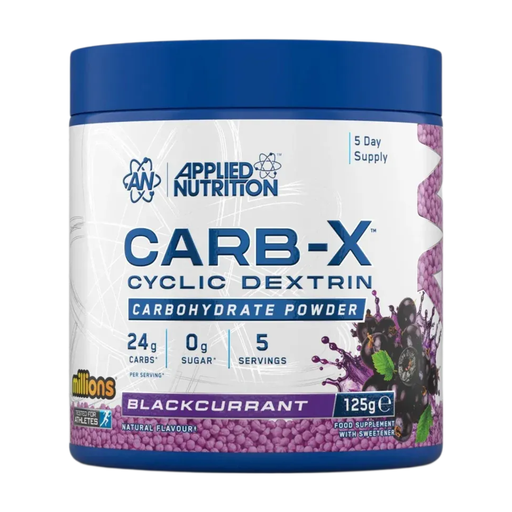
Why This Fits Their Persona: The smaller 125g pack offers a practical way to check flavour, mixing preference and workout compatibility before committing to a larger tub.
The label states 24g carbohydrate per 25g serving, making the portion easier to assess than relying on a large per-100g headline.
HBCD-based formula; 24g carbohydrate per serving; listed as vegan, vegetarian and gluten-free.
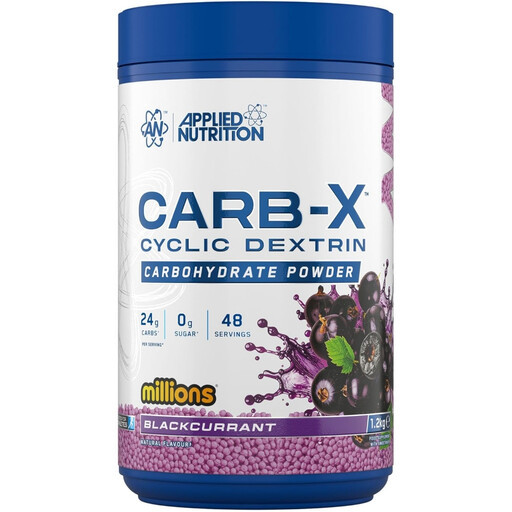
Why This Fits Their Persona: A larger format suits adults who train regularly and want a consistent carbohydrate powder for repeated sessions.
The stated serving is specific: 25g mixed with 500ml of water, with a recommendation to use scales because scoops are estimates.
1.2kg pack; 24g carbohydrate per serving; zero fat and zero sugar listed.
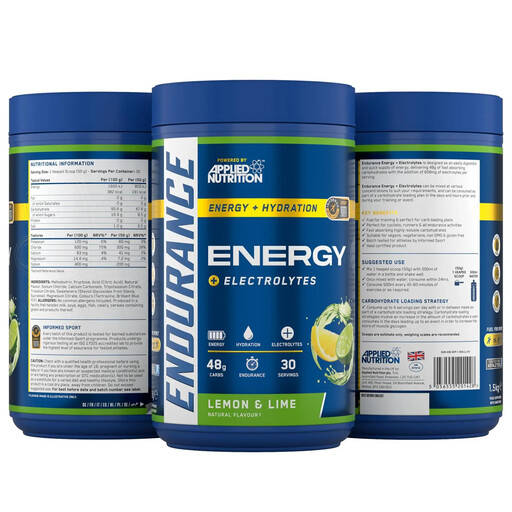
Why This Fits Their Persona: Runners, cyclists and triathletes doing prolonged sessions may prefer one drink combining carbohydrates and electrolytes.
It separates carbohydrate and electrolyte figures in the nutrition information, rather than presenting hydration support as an unspecified benefit.
Approximately 47.8g carbohydrate per 50g serving; includes sodium, magnesium, calcium and potassium; 1.5kg pack.
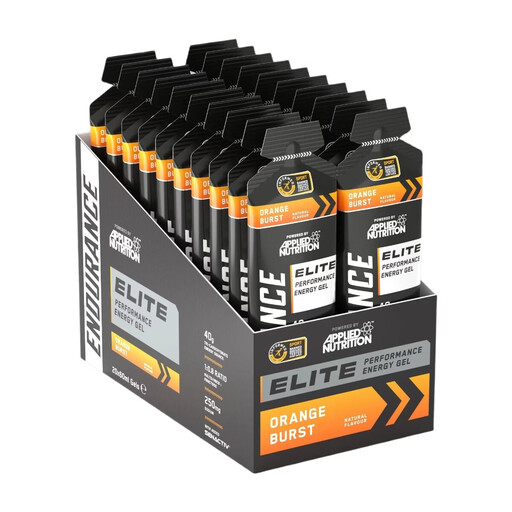
Why This Fits Their Persona: A multi-pack of individually portioned gels is easy to organise for long runs, cycling events and triathlon training.
Each gel lists 40g carbohydrate and 250mg sodium, while the pack instructions state 1–3 gels per hour and a maximum of six daily.
Tri-source carbohydrate blend; 20 individually packed gels; orange flavour; sodium included.
We have compiled a complete, real-time list of products that fully satisfy these strict selection criteria and UK safety regulations.
It can be used, but it may not be necessary for every short or low-intensity session. Compare the carbohydrate amount with your usual food and drink intake, and follow the product’s serving guidance. Powders containing electrolytes are generally positioned for longer activity rather than routine light exercise.
This depends on pack size and serving frequency. A 1.2kg Carb X tub contains approximately 48 theoretical 25g servings before accounting for measurement variation. A 1.5kg powder using 50g servings provides approximately 30 servings. Keep the container sealed in a cool, dry place and follow the best-before information on the label.
The answer depends on serving size, pack price and how much carbohydrate you need. Powder can offer a lower cost per planned drink when bought in a larger pack, while gels provide pre-portioned convenience and avoid mixing. Compare the price per gram of carbohydrate, not merely the tub or box price.