
24/7 Customer Support

Free returns

Same-day & Next-day Delivery

Quality Guaranteed

Unlock Your Welcome Offers: FREE Delivery | Up to 80% OFF | Free 30-day JoyPlus trial
Download the APP
Choosing carbonated soft drinks online can look straightforward until you compare serving sizes, sugar levels, sweeteners, flavours and pack formats. A colourful can may suggest a fruit-rich drink, while an imported bottle may offer a memorable taste but limited nutritional information in familiar UK formats.
This guide from the Joybuy Product Recommendation Officer focuses on the details that matter when buying fizzy drinks for everyday refreshment, meals, parties or mixers.
Fruit-flavoured soda may contain only a small amount of juice, alongside flavourings, acids and sweeteners. For example, product recipes can vary from drinks containing several percent fruit juice to beverages based mainly on carbonated water and flavouring.
Check the ingredients list in descending order by weight. If sugar, glucose-fructose syrup or sweeteners appear before fruit juice, the drink may be more of a flavoured soft drink than a juice-based beverage.
A sugar-free soft drink can still use sweeteners such as sucralose, acesulfame K, aspartame or cyclamates. A low-calorie soda may contain a small amount of sugar, juice or fibre. These descriptions indicate different formulations, so compare the per 100ml and per serving values rather than relying on the front of the pack.
Drinks containing aspartame should carry the required source-of-phenylalanine warning. Anyone managing a dietary intolerance or allergy should also check the current packaging before purchase.
A 24-can multipack can offer convenience for a household, office or party, but it requires suitable storage space and a reasonable consumption plan. Conversely, a 200ml or 250ml bottle may suit occasional treats but offer less drink for the price.
Imported products may also have different bottle formats, translated labels or storage instructions. Check the net quantity, best-before information, country of origin and responsible person details before ordering.
For a straightforward comparison, use the nutrition table per 100ml:
These figures show why serving size matters. A 330ml can containing 10g of sugar per 100ml provides approximately 33g of sugar per can, while a 500ml bottle at the same level provides approximately 50g.
Classic lemonade, orange soda and grape soda usually provide familiar sweet-and-sharp profiles. Japanese soda varieties may offer melon, grape, pineapple or ramune flavours, while Korean soft drinks such as Milkis combine carbonation with a creamy, yoghurt-like profile.
Look for the ingredients that shape the experience:
For a mixer, smaller bottles and cans can help preserve carbonation by allowing a single serving. Larger bottles may be more suitable for sharing, but should be refrigerated and consumed promptly after opening.
Some modern prebiotic soda and functional soda products contain fibre or live cultures. Living Things and Poppi products, for example, list fibre ingredients and low calorie values. These features may appeal to shoppers seeking alternatives to conventional fizzy drinks, but they should not be treated as medical or therapeutic products.
Check for:
A drink with added fibre may not suit everyone in large quantities, particularly if their usual diet contains little fibre. Follow the product instructions and label information.
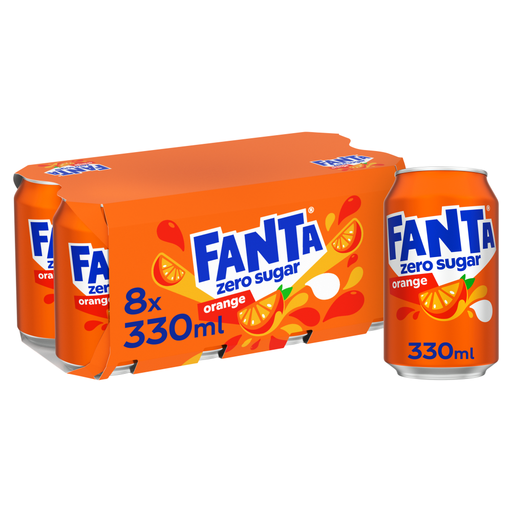
Why This Fits Their Persona: An eight-can format gives individuals or smaller households a manageable way to keep orange soda available without committing to a large case.
The label states 0.4g sugar and 3.1 kcal per 100ml, helping shoppers distinguish it from standard sugared orange soda.
Eight 330ml cans; orange flavour; zero-sugar formulation as listed by the product nutrition panel.
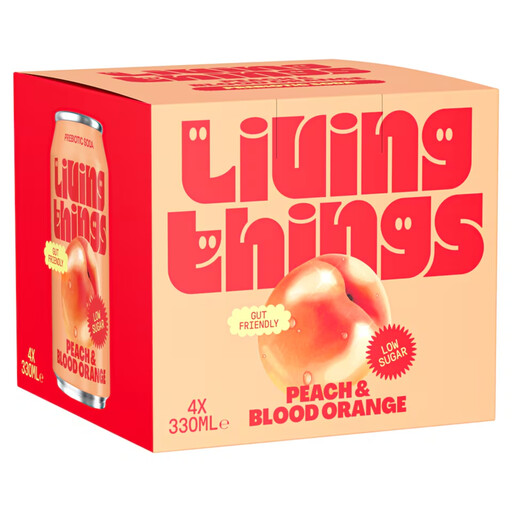
Why This Fits Their Persona: Suits shoppers who want a more distinctive fruit combination and a compact pack for chilled serving with meals or as a mixer.
The listing provides per-100ml nutrition values, including 13 kcal, 1.5g sugar and 2g fibre, rather than relying only on lifestyle wording.
Peach and blood orange flavour; four 330ml cans; chicory root inulin and listed live cultures.
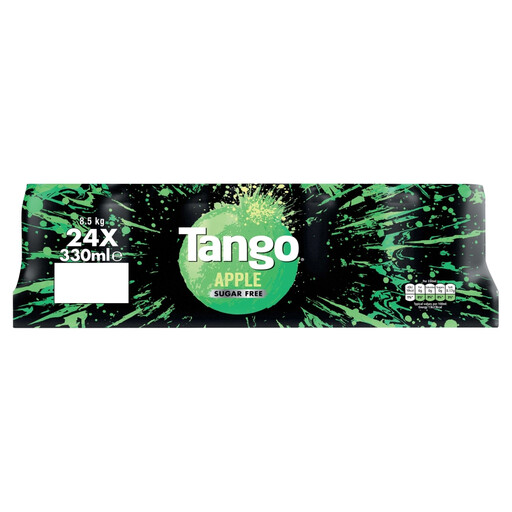
Why This Fits Their Persona: A practical choice for offices, family gatherings, barbecues and regular soft-drink buyers who need individual cans ready to chill.
The listed nutrition panel states 0g sugar and 10 kcal per 330ml can, making the serving information easy to assess.
Twenty-four 330ml cans; apple juice from concentrate listed at 4%; suitable for vegetarians and vegans according to the product details.
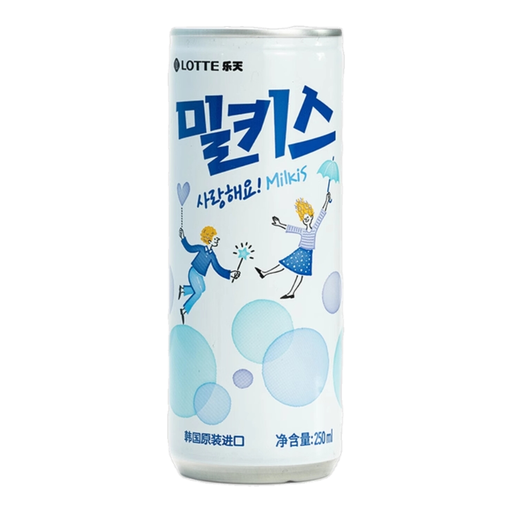
Why This Fits Their Persona: A small Korean soft drinks can for shoppers who want to try milk soda with spicy meals, snacks or an international-themed gathering.
The product details identify milk and soya allergens, helping buyers avoid assuming that an unusual soda is dairy-free.
250ml serving; creamy milk-soda profile; country of origin listed as South Korea.
We have compiled a complete, real-time list of products that fully satisfy these strict selection criteria and UK safety regulations.
Choose a mix of pack sizes. A 24-can multipack works well for larger gatherings, while 150ml or 250ml servings can reduce opened leftovers. Include at least one sugar-free option, one familiar flavour such as lemonade or orange soda, and one distinctive choice such as Japanese soda or Korean milk soda.
Not necessarily, although many are. Check the nutrition table because formulations differ. Tango Apple Sugar Free and Fanta Orange Zero Sugar list very low calorie values, while other drinks described as reduced-sugar or low-calorie may still contain juice or sugar.
Keep unopened drinks in a cool, dry place away from direct sunlight and heat. Refrigerate before serving if preferred. Handle pressurised cans and bottles carefully, do not freeze them, and consume opened drinks promptly to retain carbonation and flavour. Always follow the storage instructions printed on the current packaging.