
24/7 Customer Support

Free returns

Same-day & Next-day Delivery

Quality Guaranteed

Unlock Your Welcome Offers: FREE Delivery | Up to 80% OFF | Free 30-day JoyPlus trial
Download the APP
Creating a handmade card is a thoughtful way to show someone you care. It’s a personal touch in a digital world. However, stepping into the world of paper crafts can feel overwhelming with the sheer volume of tools and materials available. Knowing which supplies are genuinely useful and which are just passing trends can be difficult.
This guide is designed to help you navigate the choices. We'll walk through the key items that form the foundation of a great craft kit, offer practical advice on what to look for when buying and share some of our top recommendations to help you get started on your next creative project.
Building a versatile craft collection is about choosing items that offer flexibility and quality. Here are a few points to consider when selecting your card making supplies.
Many crafters use metal cutting dies to create intricate shapes and patterns that would be nearly impossible to cut by hand. These thin metal templates are used with a die-cutting machine to press a shape into paper or cardstock. When choosing, look for dies made from durable materials like carbon steel, as they tend to provide cleaner cuts and last longer.
Embossing stencils (or folders) work similarly but create a raised, textured pattern on the paper instead of cutting it. They are perfect for adding subtle backgrounds or elegant details. Many tools are versatile, so it's worth checking if a die can also be used for embossing.
The right adhesive can make or break a project. Different types serve different purposes:
Consider having a few types of craft adhesives on hand to suit various tasks, from constructing the card base to adding the final decorative touches.
To get the most value, look for tools that can be used across different hobbies. Many scrapbooking supplies are perfectly suited for card making. Items like decorative paper, alphabet dies and embellishments are interchangeable. By choosing versatile paper craft tools, you build a collection that supports a wide range of creative endeavours without unnecessary duplication.
Here are a few items that stand out for their utility and creative potential, suitable for both beginners and seasoned crafters.
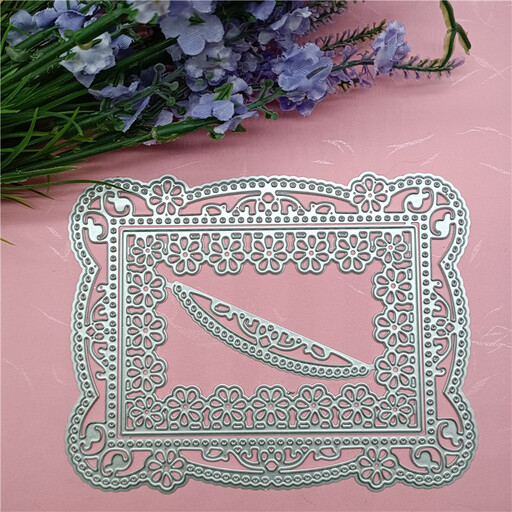
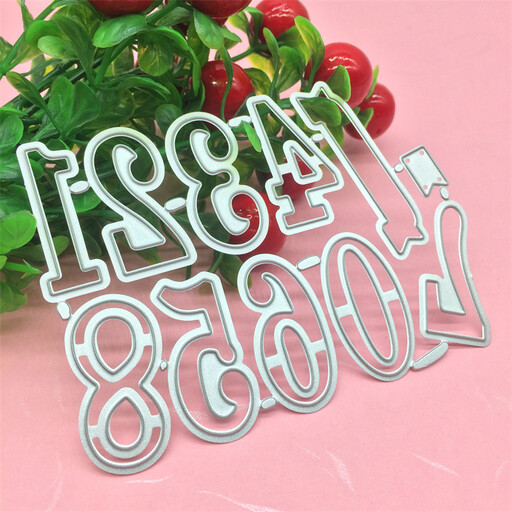
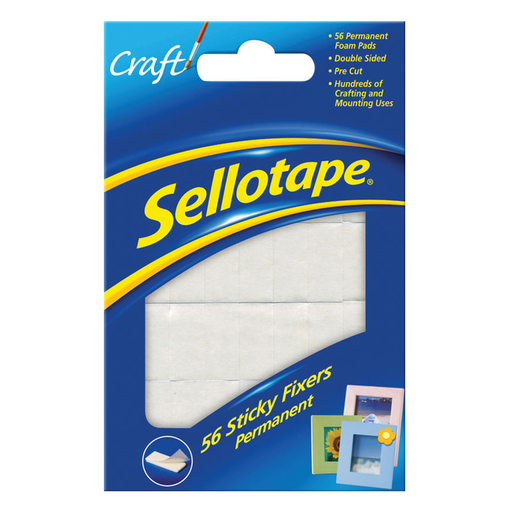
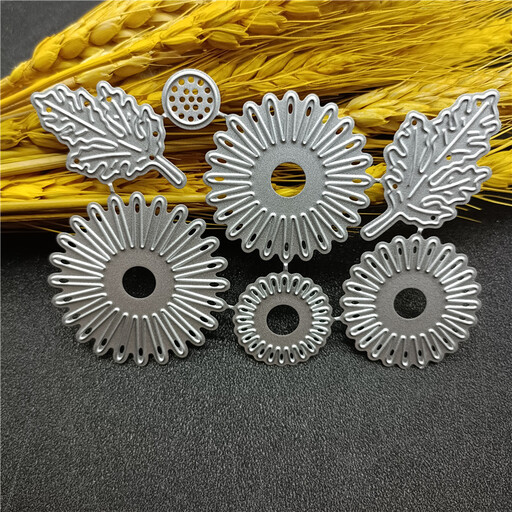
The right tools often depend on the specific project you have in mind. While these recommendations are excellent starting points, you may be looking for different patterns, papers or embellishments.
For a wider selection of tools and materials to fuel your creativity, explore our full range of Crafting Paper Supplies.
To begin, you only need a few core items: good quality cardstock in various colours, a way to cut it accurately (like a craft knife and cutting mat), a scoring tool to create clean folds and a reliable adhesive. From there, you can gradually add decorative elements like metal cutting dies and stamps as you develop your style.
You will need a compatible die-cutting machine. The process typically involves creating a 'sandwich' of plates. You'll place your paper on a cutting plate, position the die on top (blade side down), and cover it with another cutting plate. You then roll this sandwich through the machine, and the pressure cuts the shape into your paper. Always refer to your specific machine's instructions for the correct plate combination.
Absolutely. The two hobbies overlap significantly. Patterned papers, stickers, embellishments and tools like metal cutting dies and craft adhesives are used in both. Using scrapbooking supplies for your cards is a great way to ensure your craft collection is versatile and cost-effective.