Frequent small-batch cooks
If you make chai, desserts or curries regularly, you may value a grinder designed to reach a small amount of cardamom seeds without preparing a larger batch.


For frequent, small portions of cardamom seeds, consider a dedicated electric spice grinder designed to handle small quantities, particularly if separate bowls would help keep flavours apart. A manual mill suits occasional dry-spice grinding if its maker confirms it accepts your ingredients; a coffee-and-spice grinder is another option, but check the exact model’s spice suitability and how it handles your usual dose.
If you make chai, desserts or curries regularly, you may value a grinder designed to reach a small amount of cardamom seeds without preparing a larger batch.
If the same kitchen equipment handles coffee or strongly flavoured spices, separate bowls and removable parts may matter more to you than maximum capacity.
If you grind dry cardamom infrequently and prefer not to use an electric appliance, a hand-operated mill may suit your routine. Check whether the particular mill accepts seeds, pods or both.
For a one-person portion, decide whether your priority is handling a small dose, keeping flavours apart or grinding by hand. Then check the exact model against that task.
Choose it when: You grind cardamom frequently and want a design expressly intended for small quantities. Cuisinart describes blades close to the base of its SG21U bowl for this purpose.
Bear in mind: It needs mains power and storage space; confirm that the bowls and lids have the cleaning features you want.
Choose it when: You also want to grind other ingredients and the exact model is approved for spices. KRUPS lists spices and seeds among the uses of its F2034238.
Bear in mind: A stated maximum capacity does not establish how well a grinder handles your small cardamom portion.
Choose it when: You grind dry cardamom occasionally and are happy to operate the mill by hand. Cole & Mason expressly lists dried cardamom pods for its Stadhampton mill.
Bear in mind: Confirm that the mill takes the form of cardamom you use and gives a texture suitable for your recipe.
| Concern | What to check | Who this matters to |
|---|---|---|
| Grinding a small portion | Check for explicit small-quantity guidance and approval for dry spices or seeds; do not use maximum capacity as a minimum-dose measure. | If I grind only enough cardamom for one person, I need the mechanism to reach that amount rather than leave seeds untouched. Around 50% of consumers put small-dose grinding first. |
| Cleaning and flavour separation | Check whether bowls and lids are removable and how the exact model’s care instructions say to clean them. | When I alternate cardamom with coffee or other strong flavours, I want to limit carry-over between uses. Roughly 33% of consumers make separation and cleaning their primary concern. |
| Grinding without electricity | Check whether the manual mill accepts your dry cardamom seeds or pods and whether its output texture suits your recipe. | If I grind cardamom only occasionally, I may prefer a hand-operated tool to another plugged-in appliance. About 17% of consumers prioritise non-electric simplicity. |
Spice suitability depends on the model. KitchenAid Product Help states that a blade-grinder model it discusses was tested for coffee beans only, while KRUPS lists spices among the uses of its F2034238.
Check the manual or official product information for your exact grinder before using it for cardamom seeds.
A large stated capacity does not tell you how a grinder handles a one-person amount. Cuisinart specifically points to blade placement close to the bowl base when describing the SG21U’s small-quantity grinding.
Look for small-quantity guidance and a bowl design suited to your usual dose, rather than treating capacity as proof of small-batch results.
Coffee and strongly flavoured spices can leave flavours behind. Cuisinart presents separate SG21U bowls as a way to limit flavour contamination, but separate bowls alone do not establish that equipment is safe for someone with a food allergy.
Consider separate equipment and an appropriate cleaning approach if allergens are a concern; otherwise, check whether removable parts make routine flavour separation practical.
Cole & Mason cautions that moist or oily spices can clog its Stadhampton Chilli & Spice Mill.
Use that mill for the dried ingredients its maker specifies. If you also make wet pastes, look for equipment explicitly intended for that task.
The SG21U is a dedicated electric spice grinder to consider when small portions and keeping flavours apart are priorities.
The F2034238 is a multi-purpose coffee-and-spice option if you want to use one appliance for several dry ingredients.
The Stadhampton Chilli & Spice Mill is a hand-operated option for occasional grinding of dried spices.
This manual pepper grinder is a hand-operated option to assess for occasional cardamom grinding. Before choosing it, confirm that it accepts cardamom seeds and handles the small amount you normally prepare.
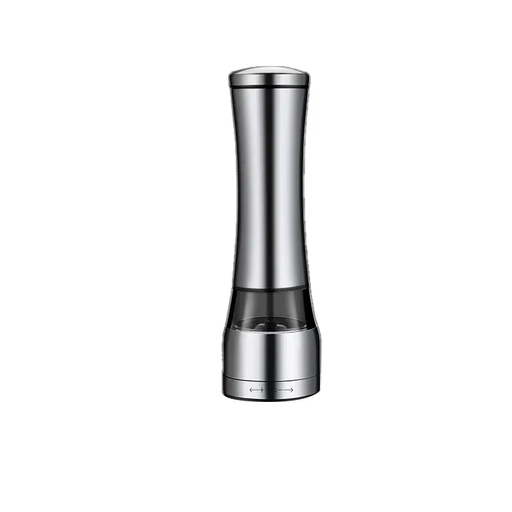 Image unavailable
For occasional hand-grinding, check whether this manual grinder accepts cardamom seeds and gives the texture you need from a one-person amount.
Grind the seeds if a smoother powder is your aim. Sandhya’s Kitchen advises removing the seeds from green cardamom pods before grinding; if you prefer to use whole pods, check that your chosen grinder or mill expressly accepts them.
Use it for cardamom only if its maker approves that exact model for spices. KRUPS lists spices and seeds for the F2034238, whereas KitchenAid Product Help says a blade-grinder model it discusses was tested for coffee beans only.
Follow the care instructions for your exact model. Cuisinart specifies dishwasher-safe bowls and lids for the SG21U; if you also grind coffee or other strongly flavoured ingredients, consider how you will keep the ingredients separate. Do not assume routine cleaning alone addresses an allergy concern.