Small-batch cardamom cooks
If you need only a pinch for chai or baking, a mortar and pestle gives you hands-on control. For an electric option, look for explicit small-quantity suitability, as Cuisinart UK describes for its SG21U.


For an occasional pinch of dry cardamom seeds, choose a mortar and pestle if you want direct control without an electric appliance. If you grind seeds frequently, consider an electric model explicitly intended for spices or seeds; separate bowls become more useful when you also process coffee or wet ingredients, but wet use must be specified for the exact model.
If you need only a pinch for chai or baking, a mortar and pestle gives you hands-on control. For an electric option, look for explicit small-quantity suitability, as Cuisinart UK describes for its SG21U.
If you regularly grind cardamom with other dry spices, an electric grinder intended for spices or seeds lets you avoid repeated hand grinding. Check the texture between short bursts rather than assuming one run will give the result you want.
If you make both dry spice powders and wet pastes, look for bowls designated for each use. Duronic describes separate wet and dry bowls for its CG421; that arrangement should not be assumed for other grinders.
Choose it when: You grind occasional small amounts of dry cardamom and want to judge the texture by hand.
Trade-off: Repeated grinding takes manual effort, and a heavy granite mortar needs storage space.
Choose it when: You regularly grind dry seeds and want to avoid working each batch by hand.
Trade-off: You control texture by stopping and checking, while a shared bowl needs cleaning between strongly flavoured ingredients.
Choose it when: Your cooking includes dry cardamom powder and wet pastes.
Trade-off: Separate bowls add components to clean and store; wet use depends on the exact model.
| Concern | What to check | Who this matters to |
|---|---|---|
| Small dry batches | Look for explicit small-quantity guidance on an electric model; for a mortar, consider its stability and weight. | When I need only a pinch for chai or baking, I want control without preparing more than the recipe calls for. Roughly 25% of consumers put small-batch control first. |
| Fine dry grinding | Confirm that the exact grinder is intended for spices or seeds and lets you stop to inspect the texture. | If I make spice blends regularly, I want to reach a fine dry grind without doing every batch by hand. Around 31% of consumers make this their primary concern. |
| Ingredient separation | Check the purpose of each supplied bowl and the cleaning instructions; do not assume a dry grinder handles wet ingredients. | I do not want cardamom flavour carrying into coffee, and I may also make wet pastes. For roughly 25% of consumers, keeping those uses separate comes first. |
| Multipurpose use and storage | Compare the stated ingredient range, capacity and dimensions for the exact model. | When I grind cardamom only occasionally, I want a manageable tool that can also handle the other dry ingredients I use. About 19% of consumers prioritise that kind of versatility. |
A coffee-grinder label alone does not establish which other ingredients the appliance is intended to process.
Before using one for dry cardamom, check whether the exact model page or manual names spices or seeds. KRUPS identifies both for its F2034238.
Separate wet and dry bowls serve a different need from grinding occasional dry cardamom seeds.
If you do not make wet pastes, compare a dry spice grinder with a mortar and pestle before choosing a model with additional bowls.
Spice aromas and ingredient residues can remain in a bowl used for different recipes. Separate bowls reduce sharing but do not replace cleaning.
Follow the exact model's instructions for removable parts and clean them when switching ingredients.
The features below apply to the named models, not to every grinder from each brand.
The SG21U is an electric spice-grinder option for small dry quantities and buyers who want separate grinding bowls.
The F2034238 is a compact coffee-and-spice mill for dry ingredients.
The CG421 is a wet-and-dry electric option for cooks who also prepare pastes.
Its cited compact coffee grinder is a dry-grinding option for occasional spice and seed use.
The GCG41019UK is a wet-and-dry spice-grinder option to compare if you need both types of preparation.
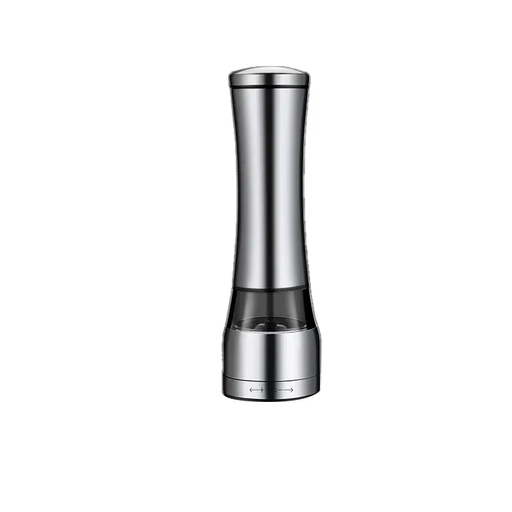
This manual grinder is a dry-seasoning option rather than a mortar and pestle or an electric bowl grinder. Confirm that it suits cardamom seeds and the amount you normally grind before choosing it for this task.
 No image available
For hand-operated dry seasoning when you want a grinder rather than a mortar, this is a manual pepper-grinder option.
Check the maker's guidance on cardamom seeds and small batches before ordering.
If your aim is ground cardamom seeds, remove the seeds from the pods first. Before putting whole pods in an electric grinder, check the exact maker's ingredient guidance rather than assuming that dry-spice suitability covers them.
Use separate bowls if you regularly grind both ingredients, and clean removable parts according to the maker's instructions when switching. Cuisinart describes two bowls for its SG21U, while Duronic designates separate wet and dry bowls for its CG421.
Only use a grinder for wet pastes if the exact model is intended for wet ingredients. Duronic advertises separate wet and dry bowls for the CG421; a different grinder's suitability for dry cardamom seeds does not establish wet-use suitability.
Choose a grinder intended for food preparation and follow its instructions for parts that touch ingredients. GOV.UK food-contact-material guidance covers England, Wales and Northern Ireland; do not treat its stated scope as a Scotland-specific rule.