
24/7 Customer Support

Free returns

Same-day & Next-day Delivery

Quality Guaranteed

Unlock Your Welcome Offers: FREE Delivery | Up to 80% OFF | Free 30-day JoyPlus trial
Download the APP
Shopping for cardiovascular supplements can feel unnecessarily complicated. A product may mention cholesterol, circulation, blood pressure, antioxidants and metabolic support on the front of the pack, yet provide only a modest amount of the featured ingredient per daily serving.
For UK shoppers, the sensible approach is to compare the label rather than rely on broad wellness language. The right choice depends on your diet, existing medicines, preferred format and the specific type of heart health supplements you are considering.
A capsule containing ten ingredients is not automatically more useful than a single-ingredient product. Combination formulas can also create more potential overlaps with other supplements or medicines.
Check the amount per daily serving, not just the ingredient name. A product may contain CoQ10, plant sterols or omega-3, but the quantity may differ significantly between brands.
Bergamot, red yeast rice, hawthorn, ginger and concentrated citrus extracts are still active ingredients. “Plant-based” describes the source, not whether a product is suitable for everyone.
This is particularly important for cholesterol support supplements and blood pressure support supplements. Some products may not be suitable alongside cholesterol-lowering medicines, blood pressure medicines, anticoagulants or other prescribed treatments. Always read the label and ask a pharmacist or GP if you take regular medication.
A bottle of 60 softgels might provide 60 days of use, or only 20 days if the recommended serving is three softgels daily. Similarly, “omega-3” may refer to fish oil, algae oil, EPA, DHA or a combination of fatty acids.
For vegan heart supplements, check both the source of the oil and the capsule shell. Fish oil products commonly use gelatine, while algae-based products may use tapioca or another plant-derived capsule.
For omega-3 heart supplements, compare EPA and DHA separately, as well as total omega-3. For example, the Nordic Naturals Cholesterol Support formula provides 900 mg total omega-3 per three-softgel serving, including 450 mg EPA and 300 mg DHA. By contrast, the Osavi vegan softgel provides 250 mg DHA per softgel from algae oil.
For plant sterols, look at the daily serving rather than the capsule count. The DR.VEGAN HeartPro formula lists 900 mg of plant sterol complex per two capsules, while Nordic Naturals lists 900 mg per three softgels. These products also have different ingredient combinations and warnings.
The same nutrient can appear in different forms:
Look for clear ingredient quantities, capsule materials and allergen information. This is more useful than relying on phrases such as “advanced”, “premium” or “high absorption” without supporting detail.
Food supplements are not replacements for prescribed treatment, a varied diet or lifestyle measures. Choose a product with instructions you can follow consistently.
Pay close attention to restrictions. DR.VEGAN HeartPro is labelled as unsuitable for people over 70 and includes red yeast rice providing Monacolin K; its warning states that it should not be used with cholesterol-lowering medication. Nordic Naturals Cholesterol Support contains fish and soy and advises consultation before use with blood thinners or cholesterol medication. Magnesium products may also be unsuitable alongside certain cardiovascular medicines without professional advice.
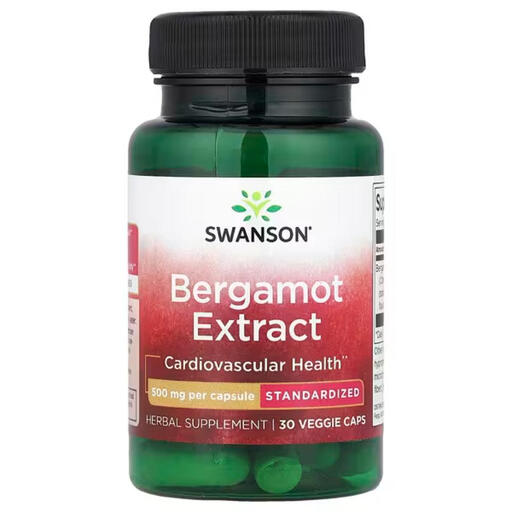
Why This Fits Their Persona: A straightforward option for adults starting with a single-ingredient cholesterol support supplement and looking for a vegan capsule.
The label clearly states 500 mg of bergamot extract standardised to 20% flavonoids per capsule, making the active specification easier to compare.
Vegan capsule; one capsule contains 500 mg of standardised bergamot extract. Check suitability carefully if using cholesterol or diabetes medication.
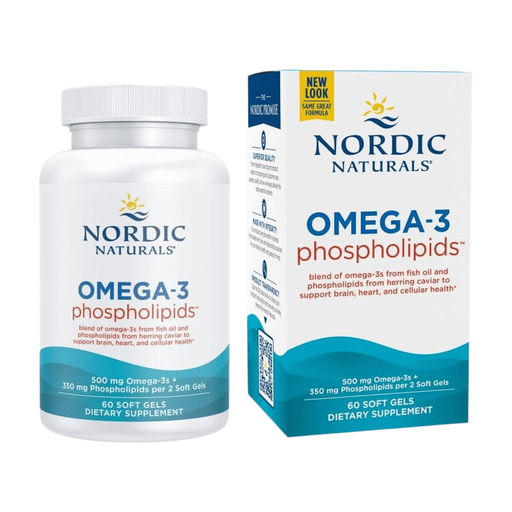
Why This Fits Their Persona: Suits shoppers comparing omega-3 structure and detailed fatty-acid information rather than choosing by capsule count alone.
Rather than simply stating “fish oil”, the label identifies 500 mg total omega-3, including 190 mg EPA and 200 mg DHA, plus phospholipids.
Phospholipid-based formula; 200 mg DHA and 190 mg EPA per two-softgel daily serving. Contains fish and gelatine.
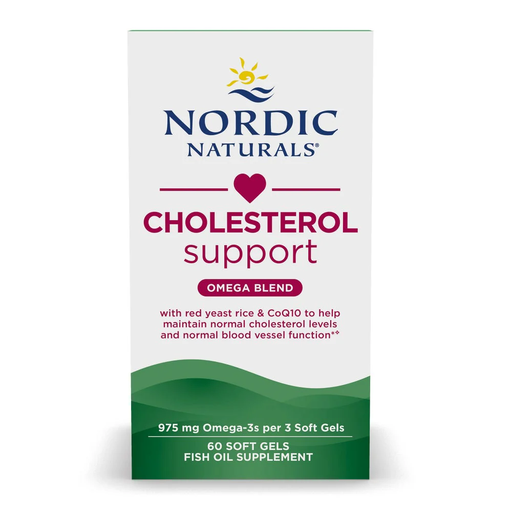
Why This Fits Their Persona: Designed for adults who specifically want one formula combining omega-3, plant sterols and CoQ10.
The daily serving and individual omega-3 amounts are specified: three softgels provide 900 mg omega-3, 900 mg plant sterols and 30 mg CoQ10.
Multi-ingredient format; triglyceride-form fish oil. Contains fish and soy, and requires a three-softgel daily serving.
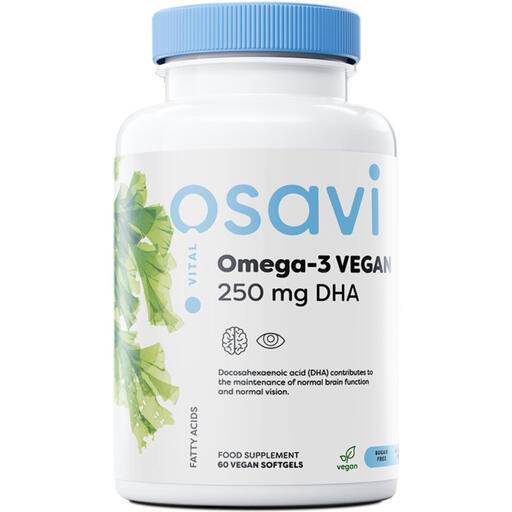
Why This Fits Their Persona: A practical match for UK vegans and vegetarians seeking DHA without fish oil or gelatine.
The source is identified as Schizochytrium microalgae, and the product uses a vegan tapioca softgel rather than a fish-derived capsule.
250 mg DHA per softgel; free from gluten, lactose and soy according to the supplied product information.
We have compiled a complete, real-time list of products that fully satisfy these strict selection criteria and UK safety regulations.
No. Supplements should not replace prescribed treatment or medical monitoring. Products labelled for cholesterol support, blood pressure support or circulation are intended for nutritional support and may not be suitable with medication. Discuss ingredients with a GP or pharmacist before starting one.
Calculate the supply from the daily serving, not the number printed on the front. A 60-capsule bottle taken once daily lasts 60 days; a three-softgel serving lasts 20 days. This calculation helps compare the real cost of daily use.
Combining products may increase ingredient overlap or interaction risk. Check the total daily intake, especially when using anticoagulants, cholesterol medication, cardiovascular medication or additional magnesium. If you have a medical condition, are pregnant or breastfeeding, seek professional advice before combining supplements.