Teams making coffee one cup at a time
Coffee bags suit a service that wants portion-level preparation without handling loose grounds for each cup. Check the chosen bag’s brewing instructions so staff can use the same method.


Choose individually enveloped pyramid coffee bags if a confirmed pyramid shape, cup-by-cup preparation and a decaffeinated option matter to the home: Raw Bean Coffee describes a 50-envelope decaf case that meets those format requirements. Standard individually wrapped coffee bags offer another single-cup method when the shape is not essential; ground filter coffee remains an option where the home can accommodate its preparation equipment and handling. Whichever format you buy, check the delivered product and each resident’s care plan before service.
The useful distinction for care-home catering is between a specified bag format, a simpler single-cup method and the requirements of the person receiving the drink.
Coffee bags suit a service that wants portion-level preparation without handling loose grounds for each cup. Check the chosen bag’s brewing instructions so staff can use the same method.
Individually enveloped decaf pyramid bags and standard wrapped decaf coffee bags are both described by their suppliers. The choice offered to a resident still needs to fit their preferences and current care plan.
A pyramid bag does not determine the consistency of the prepared drink. The International Dysphagia Diet Standardisation Initiative (IDDSI) says drinks should be tested under their intended serving conditions, including temperature.
Set the required format and resident choices first, then compare preparation instructions, delivered labels and disposal arrangements.
| Priority | What to check | Your needs |
|---|---|---|
| Bag format | Confirm whether the exact product is pyramid-shaped, a conventional coffee bag or a cup-mounted drip filter. If shape is a purchasing requirement, check the current pack or product specification. | I need a pyramid bag specifically, rather than any product sold as a coffee bag. |
| Cup-by-cup preparation | Check the equipment, portion format and product-specific brewing instructions. For ground filter coffee, establish how the home will handle grounds and the chosen filter equipment. | Staff need to prepare individual cups without adding an unsuitable step to the drinks service. |
| Resident choice | Check the exact regular or decaffeinated variant and its delivered label. Match the drink offered to the resident’s documented preferences and requirements. | There should be a decaf choice where it suits the people receiving the drinks. |
| Swallowing plans | Follow the individual clinical recommendation. Where a modified drink is required, check its IDDSI level under intended serving conditions, including temperature. | A convenient brewing method must not replace the consistency specified for a resident. |
| Pack information | Read the delivered ingredients, allergen information, storage directions and best-before date. Check the instructions on the particular variant being served. | I need current pack details at goods-in and service, especially when a resident has a documented dietary requirement. |
| Waste handling | Check bag and envelope materials separately, then ask whether the home’s collection arrangements accept each component. | If disposal affects our purchasing decision, I need instructions that apply to the whole serving, not just the brewing bag. |
Raw Bean Coffee calls its Bean Bags pyramid-shaped. Taylors of Harrogate and M&S describe individually wrapped coffee bags, but their cited product information does not establish that shape.
If pyramid geometry is essential, approve a substitute only after checking the exact product’s current specification or packaging.
A coffee bag changes how a drink is brewed, not the consistency prescribed for someone with dysphagia. IDDSI testing concerns the prepared drink under its intended serving conditions.
Follow the resident’s current swallowing plan and the relevant clinical instructions before serving a modified drink.
Raw Bean Coffee describes its pyramid bag as compostable, while the individually enveloped format also has packaging to dispose of.
Check the disposal instructions for the bag and envelope separately against the home’s collection arrangements.
Ingredients and other product details may change; M&S directs buyers to read the product label. That matters when a resident has a documented allergy, intolerance or dietary requirement.
Check the delivered pack against current care documentation and keep its information available to staff.
These examples help distinguish stated product formats; a brand’s inclusion does not mean every product in its range has the same bag shape or pack arrangement.
A supplier-stated pyramid-bag option, including an individually enveloped decaffeinated case.
An individually wrapped, conventional coffee-bag option with regular and decaffeinated varieties.
An individually wrapped, single-serve decaffeinated coffee-bag option.
A one-cup filter-coffee format listed in Tesco’s coffee-bag category.
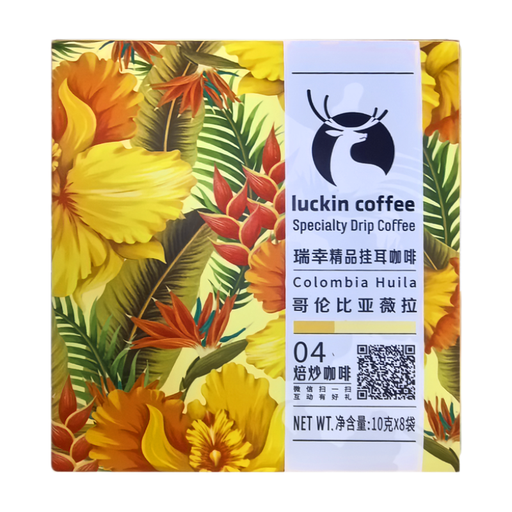
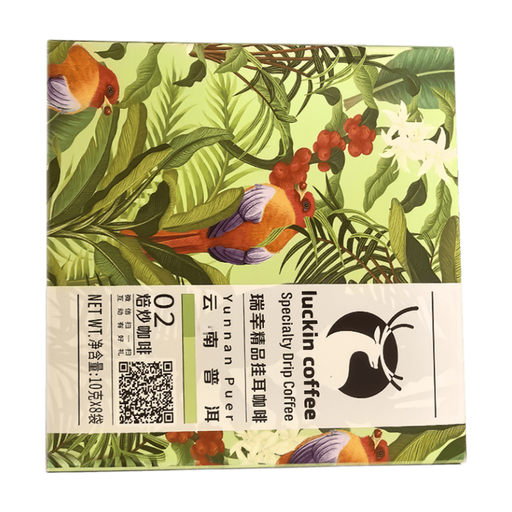
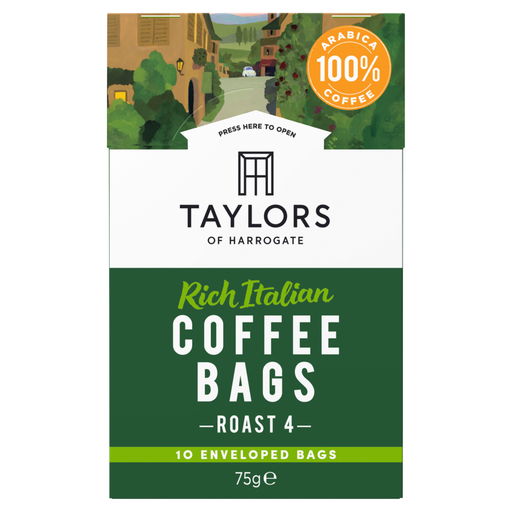
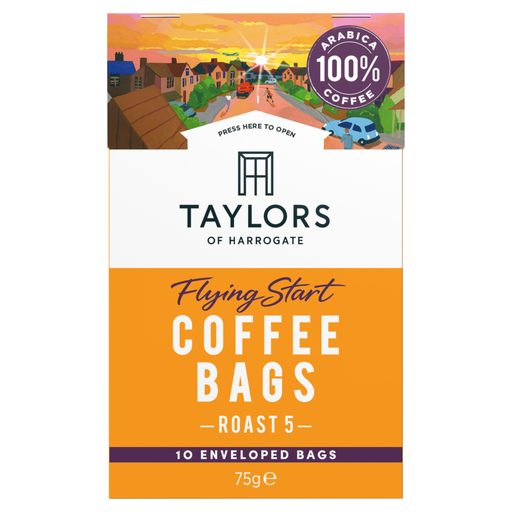
These products represent cup-mounted drip filters and conventional coffee bags for individual servings. If a pyramid shape or a decaffeinated variant is required, confirm it on the exact product before ordering; assess any drink served against the resident’s care plan.
 No image available
A cup-mounted drip-bag option for preparing individual servings without a separate coffee machine. The named pack contains eight 10 g bags; check the exact product if pyramid shape or a decaffeinated variant is required.
 No image available
A cup-mounted drip-bag option for making one cup at a time. The named pack contains eight 10 g bags; check the exact product if pyramid shape or a decaffeinated variant is required.
 No image available
An individually wrapped coffee-bag option for cup-by-cup service. The pack is labelled 75 g; check its bag count and preparation instructions when planning service, and confirm the shape if pyramid bags are required.
 No image available
An individually wrapped coffee-bag option for preparing separate cups. The pack is labelled 75 g; use its product-specific preparation instructions, and check the bag count and shape if those details affect the service.
No pyramid-bag requirement follows from the Care Quality Commission’s guidance on Regulation 14 for providers in England. That guidance concerns meeting people’s nutritional and hydration needs and taking account of their preferences; the coffee-bag format is a purchasing choice, not a substitute for those responsibilities.
Only if the prepared drink matches that person’s current clinical recommendations. Bag shape does not establish an IDDSI level; IDDSI says to test a drink under its intended serving conditions, particularly its temperature.
No. Wrapping helps keep portions separate, but homes still need the food-safety procedures relevant to their service. The Food Standards Agency’s residential-care-home supplement is a management resource for small homes that prepare and cook food for residents.
Check the delivered label instead of relying on an older listing. M&S warns that product information can change; compare the current pack with the resident’s care documentation before serving a drink where an allergy, intolerance or dietary requirement matters.