Care-home catering managers
Choose a decaf format that staff can prepare consistently during dining-room service, while keeping residents' drink preferences in view.


Offer decaf as a choice, or consider making it the usual option only when residents' preferences and individual care plans are respected. Instant coffee fits routine hot-water service; ground coffee and beans need suitable brewing equipment, while individually wrapped coffee bags suit single cups. Check current product labels and any additions, such as milk, before serving.
Choose a decaf format that staff can prepare consistently during dining-room service, while keeping residents' drink preferences in view.
Keep any advice about caffeine and each resident's recorded preferences separate from a general decision about which coffee to purchase.
Check the current pack and control preparation, including milk additions, rather than assuming every decaf product has the same allergy information.
Start with resident choice and the way drinks are served, then check the product and preparation process before settling on a format.
| Priority | What to check | Your needs |
|---|---|---|
| Resident choice | Check recorded drink preferences, how staff distinguish decaf from caffeinated coffee, and whether an alternative remains available. Follow individual clinical advice where a caffeine limit applies. | I want residents to know which coffee they are offered and to retain an appropriate choice. A general decaf policy should not override an individual care plan. |
| Preparation format | Instant coffee uses hot-water preparation; ground coffee needs a compatible brewing method; beans also need suitable grinding and brewing equipment. Individually wrapped bags are prepared one cup at a time. | For a busy dining-room service, I need a format staff can prepare consistently. If we already brew coffee, a ground or bean option may fit; for occasional single cups, bags may be more practical. |
| Allergen control | Read the current product label and check ingredients added during service, especially milk. Follow the home's procedures for allergen information and cross-contact. | I need staff to check the actual product and the finished drink before serving someone with a food hypersensitivity. |
| Storage and use | Compare pack sizes with the amount the home will use, and follow each product's instructions after opening. Account for brewing, cleaning or disposing of used coffee bags. | A pack should fit our service routine without relying on storage instructions from a different coffee or format. |
Decaf should not be assumed to meet a resident's specific clinical caffeine restriction.
Check the individual care plan and seek advice from the resident's clinician or dietitian where a caffeine limit is part of their care.
A decaf-by-default service can overlook residents who prefer caffeinated coffee. A Northumbria Healthcare NHS Foundation Trust quality-improvement project emphasised informed consent and patient choice when introducing decaf by default.
Explain the proposed change, record preferences, retain an appropriate alternative and review residents' feedback.
Ground coffee, beans and coffee bags use different equipment and preparation routines from soluble coffee.
Check brewing equipment, staff workflow, cleaning and storage before buying in volume; let residents try the proposed format.
A brewed option may require additional equipment or preparation time, while each coffee bag leaves a used bag to dispose of.
Product statements differ, and milk added during service changes what is in the finished drink. M&S states that its Decaf Americano Micro-Ground Instant Coffee is not suitable for people with a milk allergy.
Check the current pack for each product and use the home's allergen-control process when preparing and serving it.
These examples show how format and product-level information vary; a brand name alone does not establish suitability for a resident or service.
Original Decaf is an instant-coffee option for hot-water service.
Kenco Decaf offers a soluble-coffee format for homes using instant preparation.
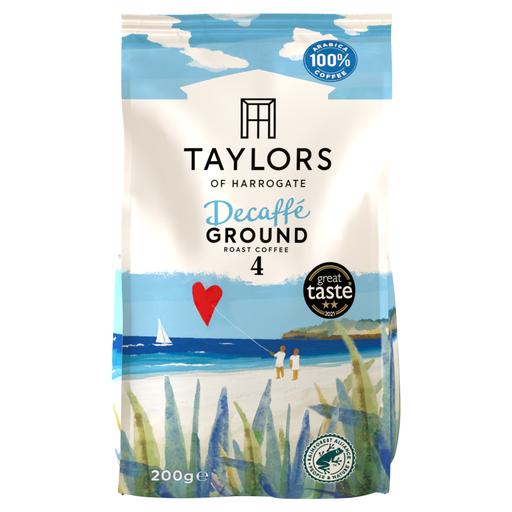
Decaffé Ground is a brewed-coffee option where suitable equipment is already in use.
Tesco own-label decaf listings include instant-coffee choices.
Its decaf range includes instant coffee for routine hot-water preparation.
M&S has decaf formats including individually wrapped coffee bags for single cups.
These options cover instant coffee for hot-water service, plus ground coffee and beans for homes with suitable brewing equipment. Choose a format around the home's preparation routine and residents' preferences.
 No image available
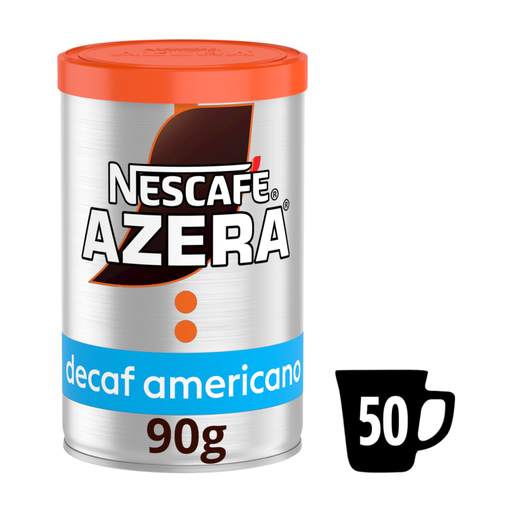
This 90g decaf instant coffee is an option for hot-water preparation. Check the current pack and any milk added during service against residents' requirements.
 No image available
This 300g decaf soluble coffee suits a service using instant preparation. Check the current label and follow individual care plans where caffeine intake is restricted.
 No image available
This 190g decaf instant coffee is another hot-water preparation option. Confirm the current pack information and control additions such as milk when serving.
 No image available
This 200g ground coffee is for a brewed-decaf service. Confirm that the home has a compatible brewing method and follow the pack's preparation and storage directions.
 No image available
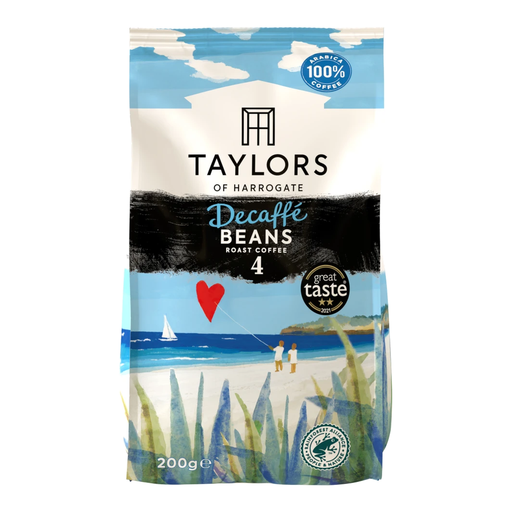
These 200 g decaf beans are an option where the home can grind and brew coffee. Check equipment compatibility and the current pack's storage instructions before choosing this format.
It can be considered where residents are involved and individual needs and preferences continue to guide service. England's Care Quality Commission requires providers to meet residents' nutritional and hydration needs; a Northumbria Healthcare NHS Foundation Trust quality-improvement project also emphasised informed consent and choice when introducing decaf by default. Do not treat the approach as suitable for every resident automatically.
No. Decaf should not be treated as having zero caffeine. If a resident has a specific clinical caffeine limit, follow their individual advice rather than relying on the word decaf alone.
Instant coffee fits preparation with hot water, while ground coffee and beans need compatible brewing equipment; individually wrapped bags suit single cups. Choose according to the home's equipment, staffing routine and residents' preferences, rather than assuming one format works for every service.
Yes. Check the current product label and the way the drink is prepared, including possible additions and cross-contact. The Food Standards Agency's food-safety guidance calls for careful control of ingredients containing allergens, and M&S states that its Decaf Americano Micro-Ground Instant Coffee is unsuitable for people with a milk allergy.
Follow the instructions for the exact product and pack. For example, M&S advises storing its opened Decaf Ground Coffee in an airtight container in the refrigerator for two weeks; do not apply that ground-coffee instruction to an instant jar or another product.