Teams serving ordinary-texture desserts
Individually packaged portions can make distribution more straightforward. Staff still need to match the dessert and its current label to each resident’s nutrition and allergen plan.


Choose a mini cup or another defined individual portion when its ingredients, normal texture and serving instructions fit the resident who will receive it. Individual packaging makes portions easier to distribute, but it cannot replace a resident-specific nutrition and allergen check. For anyone prescribed a modified-texture diet, follow their care plan and clinician’s recommendation rather than assuming a retail mini dessert is suitable.
Individually packaged portions can make distribution more straightforward. Staff still need to match the dessert and its current label to each resident’s nutrition and allergen plan.
Start with the resident’s clinician-led texture recommendation, not the size or appearance of a retail dessert. The International Dysphagia Diet Standardisation Initiative (IDDSI) says food should be tested under its intended serving conditions, particularly its temperature.
Mini cups, individual baked desserts and larger desserts plated by staff offer different ways to plan a serving. The useful format is the one that fits the residents’ assessed needs and the home’s preparation arrangements.
Decide whether the dessert can be served to the intended residents before comparing cup sizes, flavours or the amount of preparation involved.
Consider when: Residents can have the product’s ordinary texture and staff need a defined, ready-portioned cup.
Watch for: Fruit, flakes or brittle in particular flavours can change the texture that staff must assess.
Consider when: A non-ice-cream dessert suits the resident’s plan and the home can follow its preparation instructions.
Watch for: A defined portion does not establish its allergens or suitability for a prescribed texture.
Consider when: Staff need to serve an individually chosen amount rather than use a fixed retail portion.
Watch for: Plating requires consistent portioning and does not, by itself, make a dessert suitable for a modified-texture diet.
| Priority | What to check | Your needs |
|---|---|---|
| Resident’s food plan | Check the intended portion, ingredient and nutrition information against the resident’s assessed needs. Include their food preferences in the decision. | I want a dessert the resident can enjoy that also fits their individual plan. In England, the Care Quality Commission’s Regulation 14 guidance requires providers to assess nutritional needs and provide food to meet them. |
| Texture | Look for fruit pieces, flakes, brittle and other inclusions. For a prescribed IDDSI level, follow the clinician’s recommendation and test the food under its intended serving conditions, especially temperature. | For a resident with a modified-texture prescription, I cannot use cup size or a smooth-looking surface as evidence that the dessert meets their required texture. |
| Allergens | Read the delivered pack’s ingredients and allergen declaration for the exact flavour being served. Check for changes rather than relying on an earlier online listing. | I need staff to identify the right product and flavour before serving someone with an allergen restriction. |
| Portion format | Check whether the stated amount is per cup, per bar or per pack, and whether individual packaging is required. Compare the amount with the resident’s plan. | A defined portion helps me plan service, while a dessert plated by staff lets us choose the served amount. |
| Frozen handling | Follow the particular product’s storage, thawing and serving instructions. Plan how staff will identify and handle portions once removed from frozen storage. | I need a format that works with the home’s freezer space and serving routine without overlooking the pack instructions. |
A pre-portioned cup makes distribution easier, but it does not establish that the dessert meets an individual’s nutritional needs or food preferences. In England, the Care Quality Commission’s Regulation 14 guidance requires providers to assess those needs.
Use the portion format only after checking the intended resident’s food plan.
Some mini desserts contain fruit pieces, flakes or brittle. South Tees Hospitals NHS Foundation Trust notes that some residents with swallowing problems are recommended a modified-texture diet after assessment by a speech and language therapist.
Follow the resident’s clinician-led plan. IDDSI says texture testing should reflect intended serving conditions, particularly temperature; do not substitute an ordinary retail dessert without the required assessment.
A listing may not reflect the pack delivered for service, so staff could make a decision using the wrong ingredient information.
Read the current pack’s ingredients and allergen declaration for the specific product and flavour, and update the home’s menu records when a product changes.
These are examples of frozen-dessert formats, not assurances that a product suits a particular resident or is included in the Joybuy selection below.
Tesco Groceries lists Häagen-Dazs Fruit and Indulgence mini-cup collections as four 95 ml cups; its Belgian Chocolate listing gives an 81 g amount per cup.
Asda announced four-packs of 110 ml Fruity and Loaded Mini Ice Cream Tubs in May 2025.
Tesco Groceries lists mini ice-cream formats, including cups, alongside other small frozen treats.
Waitrose & Partners lists smaller-count frozen desserts, including two tiramisus, six pastel de nata and eight mini tarts, alongside larger desserts.
Sainsbury's lists smaller-count frozen desserts including two 90 g cheesecakes and four 30 g Little Moons cheesecakes, as well as sharing formats.
Marks & Spencer lists mini tarts and ice-cream formats alongside larger frozen desserts.
These options include mini ice-cream cups, individually portioned bars and a one-person frozen cheesecake. Compare each format with the intended residents’ plans; the cheesecake’s packaging needs checking if a sealed individual portion is required.
 No image available
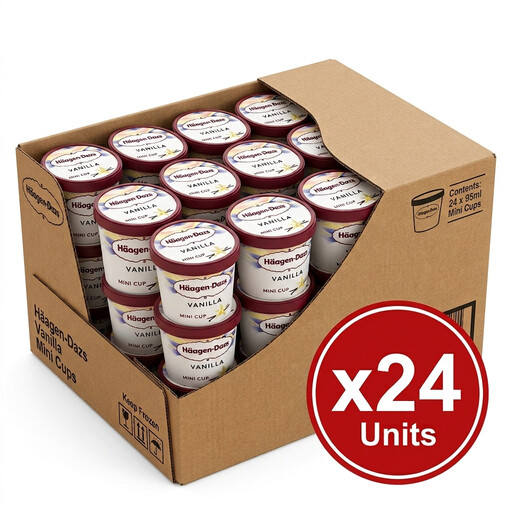
The case format offers defined mini-tub portions for a planned service. Check the delivered pack against each resident’s allergen plan, and do not assume ordinary ice cream meets a prescribed modified texture.
 No image available
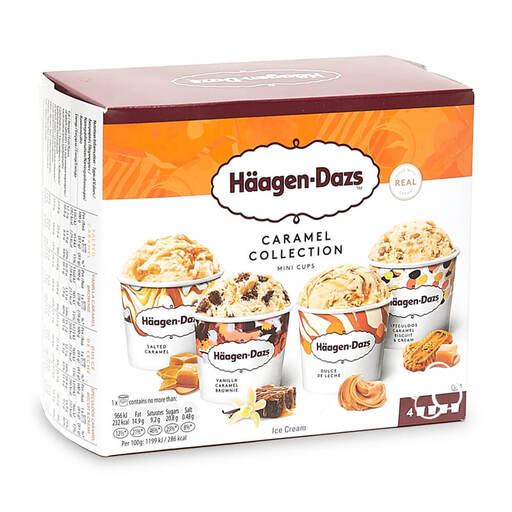
The mini-cup format provides a defined amount per cup. Check the ingredients and texture of the specific flavour being served, including any inclusions, against the resident’s allergen and texture requirements.
 No image available
Four defined cup portions may help staff plan distribution. This is a collection rather than four identical plain-vanilla servings: check each flavour’s current ingredients, allergens and texture before service.
 No image available
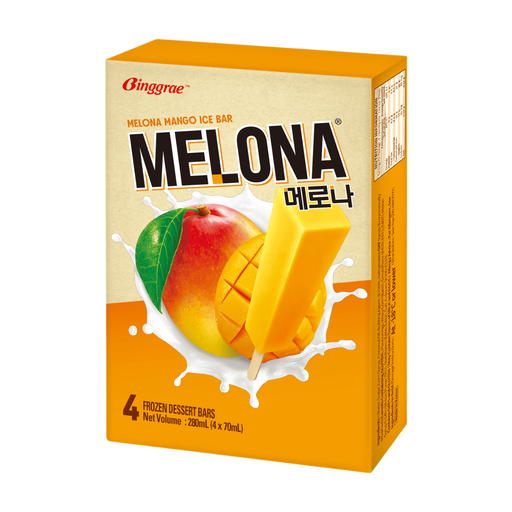
The bar format offers a stated amount per serving instead of a cup. Allergen declarations associated with this product conflict, so use the delivered pack to establish its ingredients and allergens before assigning it to a resident; follow the resident’s texture plan too.
 No image available
This frozen cheesecake offers a stated one-person portion rather than a mini ice-cream cup. Check whether it is individually sealed if that matters to service, and allow for its pack’s thawing instructions. Confirm ingredients and texture against the resident’s plan.
Not on the basis of portion size alone. In England, the Care Quality Commission’s Regulation 14 guidance requires providers to assess nutritional needs and provide food to meet them. Check the dessert against each resident’s plan, including relevant preferences and allergen requirements.
A retail mini ice cream cannot be assumed to meet a prescribed texture. South Tees Hospitals NHS Foundation Trust says some residents with swallowing problems are recommended a modified-texture diet after speech-and-language-therapy assessment. Follow the individual clinician’s recommendation; IDDSI says texture testing should use the intended serving conditions, particularly temperature.
Yes, inclusions matter when checking a dessert against a resident’s texture prescription. Tesco Groceries describes chocolate flakes and caramel brittle in its Häagen-Dazs Indulgence mini cups. Do not assume that a small cup, or ice cream surrounding the pieces, meets a prescribed IDDSI level without the required assessment and testing.
Use the current delivered pack for the final check. Match its ingredients and allergen declaration to the exact product and flavour being served, then follow the home’s allergen-management procedure.
Follow the instructions on the specific pack. For example, Tesco Groceries instructs purchasers of its Häagen-Dazs Belgian Chocolate Mini Cups to store them below −18°C and not refreeze them once thawed. Plan removal from frozen storage and service around the product being used.