Kitchen managers stocking shared freezers
Larger bags may suit repeated meal service when there is room to store them and a process for portioning, temperature monitoring and stock rotation.


For regular care-home meal service, larger plain bags suit kitchens that can portion and cook batches safely; steam bags suit smaller batches when preparation time is limited. Choose a prepared mix for a planned recipe, and check freezer space, the current pack label and each resident’s assessed texture requirements before stocking two packs.
Larger bags may suit repeated meal service when there is room to store them and a process for portioning, temperature monitoring and stock rotation.
For a resident with an assessed texture requirement, choose and prepare vegetables against the individual care plan. NHS England describes the International Dysphagia Diet Standardisation Initiative (IDDSI) terminology for texture-modified food; a product format alone does not establish suitability.
Steam bags or pre-cut vegetables can fit a small-batch service. Check whether their pack sizes and cooking instructions work with the kitchen’s equipment and expected number of servings.
Start with the meals and batch sizes you plan to serve, then check whether two packs can be stored and handled under the kitchen’s food-safety procedures.
| Priority | What to check | Your needs |
|---|---|---|
| Frozen storage | Check the label’s storage condition, space for two packs and how temperatures and stock dates will be monitored. Sainsbury’s specifies −18°C for its 1 kg mixed vegetables; follow the label of the product you buy. | There needs to be room in our freezer for the packs without disrupting temperature checks or stock rotation. |
| Texture | Check the vegetable pieces after cooking against each relevant care plan and IDDSI testing process. Do not treat a steam bag or a description such as ‘soft’ as a texture assessment. | If a resident needs modified-texture food, I need the prepared serving to meet that resident’s assessed requirement. |
| Batch size | Compare pack weight with the number of servings and the equipment used. A larger bag allows staff to portion successive batches; a steam-bag pack divides the product into smaller cooking units. | On routine service days we may cook a larger batch; for a smaller sitting, less portioning work may matter more. |
| Ingredients and instructions | Check the exact product’s ingredients, allergen information and cooking directions. Keep its identification available when a supplier changes the mix. | A recipe or resident preference may call for particular vegetables, so I cannot assume visually similar mixes are interchangeable. |
Small cooking units may create unnecessary handling during a service that already cooks vegetables in larger batches.
Match the format to the number of servings and staff time; keep steam bags for sittings where their portioned format is useful.
NHS guidance uses assessed, clearly described texture requirements for residents with swallowing difficulties. Cooking method and product name do not establish that the finished food meets one.
Prepare and test the serving against the resident’s assessed IDDSI requirement and the home’s care process.
Different vegetables and piece sizes can change how a mix fits a recipe or a resident’s texture plan.
Keep the exact product identification and current label information available. Recheck ingredients, allergen information and cooking directions after a substitution.
The Food Standards Agency’s MyHACCP guidance calls for adequate frozen-food storage facilities and temperature monitoring.
Check capacity for both packs and handle temperature records and stock rotation through the home’s applicable food-safety procedures.
These retailer and manufacturer ranges illustrate formats to check; choose by the details of the individual product, not the brand name alone.
Tesco Groceries lists own-label frozen vegetables including a 1 kg mixed-vegetable bag.
Sainsbury’s 1 kg mixed vegetables contain carrots, peas, green beans and sweetcorn.
Waitrose Essential Mixed Vegetables come in a 1 kg pack containing carrots, peas, green beans and sweetcorn.
Birds Eye frozen vegetables include Steamfresh bags listed by UK supermarkets in 300 g and 540 g packs.
M&S lists frozen vegetables including a 500 g British Vegetable Medley.
These options cover single vegetables, mixed-vegetable steam bags and prepared vegetables for a care-home menu. Compare their pack formats with the batches you intend to cook and the space available for two packs.
 No image available
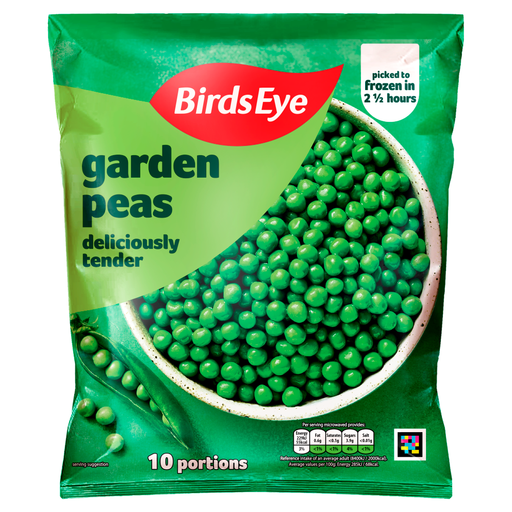
An 800g single-vegetable option for meals that call for peas rather than a mixed side. Check the cooked texture against any resident-specific plan.
 No image available
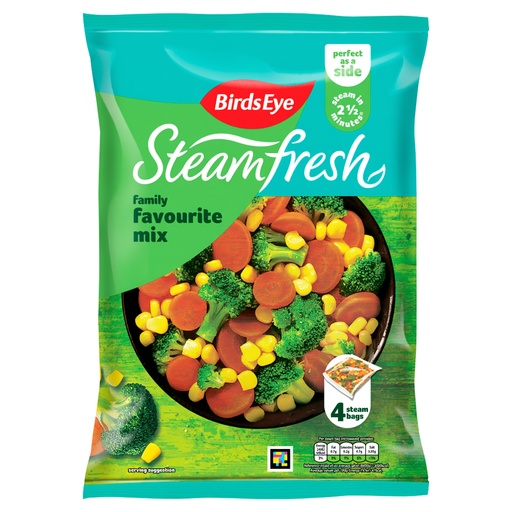
Four steam bags offer smaller cooking units when a mixed-vegetable side is needed for a limited-preparation sitting. Follow the current pack instructions and check the finished texture where required.
 No image available
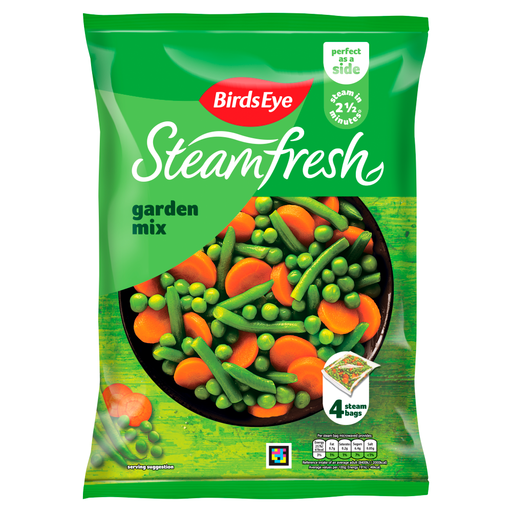
This four-bag mixed-vegetable format is an option for smaller batches. Check its ingredients against the recipe and assess the prepared food against any applicable texture plan.
 No image available
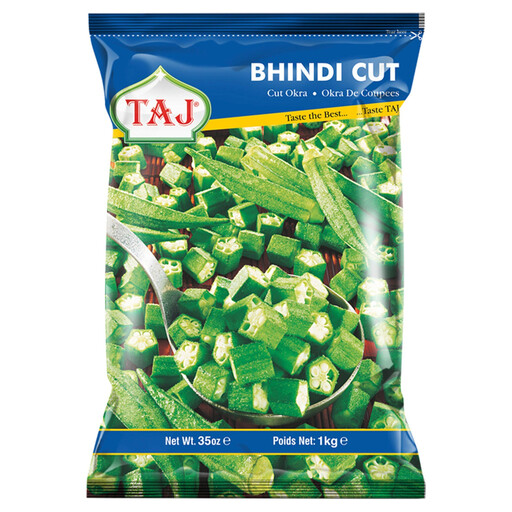
Cut okra suits a menu that specifically calls for it, rather than a standard mixed-vegetable side. Check the prepared serving for occasional hard particles, stems or seeds, particularly where a resident has a texture requirement.
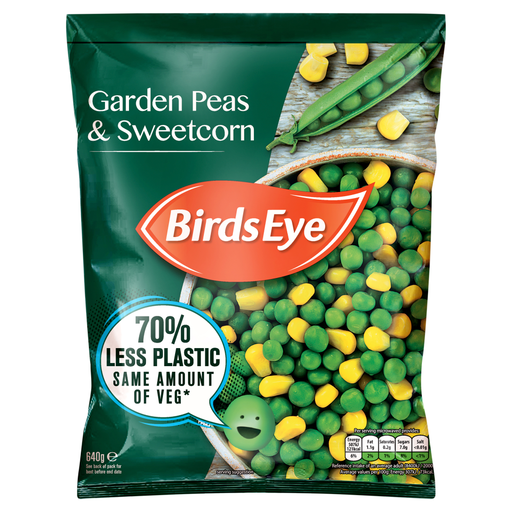 No image available
A 640g two-vegetable blend for a menu using peas and sweetcorn. Check the current pack’s cooking directions and the finished texture before serving it to anyone with a modified-texture plan.
Follow each product’s label and the home’s food-safety procedures. Sainsbury’s specifies −18°C for its 1 kg mixed vegetables, while M&S says to keep its British Vegetable Medley frozen at −18°C; the Food Standards Agency’s MyHACCP guidance also calls for frozen-food storage and temperature monitoring.
The steam-bag format alone does not establish suitability. Where a resident has an assessed modified-texture requirement, prepare and test the vegetables against that individual care plan and its IDDSI description, in line with the NHS guidance on texture-modified food.
Yes. Keep the exact product identification and current ingredient and allergen information available to the kitchen team. Mixes can contain different vegetables, so recheck the details if the product or supplier changes.
No. GOV.UK says its Safer Food, Better Business residential-care-home supplement is used alongside the pack for caterers. It applies to small residential care homes in England, Northern Ireland and Wales and is not intended for nursing homes; use the procedures applicable to your setting.
Do not assume one mix fits every menu or resident. Check its ingredients against the planned dishes, preferences and allergen information, and prepare any modified-texture serving to the resident’s assessed requirements.