Care-home catering buyers
Managers and catering teams choosing between a display jar, a retail box and a catering pack need to match the format to regular service and the drinks residents want.


For frequent care-home service, choose a tea-bag pack with a quantity that fits the drinks round; consider a filled glass jar for a smaller, staff-managed presentation point rather than assuming it suits bulk service. Keep a choice of drinks guided by residents’ assessed needs and preferences, and check each blend’s ingredients and cautions before routine use.
Managers and catering teams choosing between a display jar, a retail box and a catering pack need to match the format to regular service and the drinks residents want.
Herbal infusions can be offered alongside other drinks when residents prefer to avoid caffeinated tea. The choice still needs to fit each resident’s assessed food-and-drink needs.
Where a resident’s care plan calls for an ingredient check, staff need the exact blend and its cautions to remain identifiable, particularly if tea bags are moved out of their original box.
Decide whether the tea is for frequent service or a smaller choice point, then check the pack and each blend against the way the home serves drinks.
Consider it when: One accepted flavour is served often. Clipper lists a caffeine-free chamomile pack of 250 envelopes.
Trade-off: A single-flavour pack does not provide a range of resident choices.
Consider it when: An 80-bag box is a more suitable stock quantity than a catering pack, or several flavours are kept in smaller quantities.
Trade-off: Check whether the exact box has individually wrapped bags if staff need separate labelled portions; do not assume this from the pack size.
Consider it when: A compact, staff-managed selection is the aim. Twinings lists a caffeine-free infusions jar with 30 envelopes.
Trade-off: Its smaller envelope count and glass container call for separate service-volume and handling checks.
| Priority | What to check | Your needs |
|---|---|---|
| Resident choice | Check the flavours residents prefer and whether the tea is an optional drink within their individual food-and-drink plans. In England, Care Quality Commission guidance says providers must meet people’s nutrition and hydration needs and give the support needed to do so. | I want residents to have a drink they will choose, rather than assuming one herbal blend suits everyone. |
| Serving quantity | Compare portions with expected use: Clipper lists 250 chamomile envelopes, Twinings Pure Peppermint has 80 bags, and Twinings lists a filled infusions jar with 30 envelopes. Follow the chosen product’s preparation directions. | For a regular drinks round, I need enough portions without committing everyone to the same flavour. |
| Ingredients | Read the exact blend’s ingredient list and any product caution; check the information against individual care plans. A caffeine-free description alone does not establish suitability for every resident. | I need staff to know which blend they are serving, especially when a resident needs an ingredient or product-caution check. |
| Storage and access | For a jar or dispenser, assess handling, cleaning, storage and breakage under the home’s procedures. Keep the original pack or an accurate record of its product and date information when decanting. | If tea is displayed outside its box, I want staff to retain the details needed to identify and prepare it. |
Twinings presents its filled glass jars as teaware or gifts, and its cited caffeine-free selection contains 30 envelopes. The container does not itself establish that the format fits a home’s serving volume or handling procedures.
Estimate the portions needed for regular service, then assess where a glass jar would be kept, who could access it and how it would be handled.
Blends have different ingredients. Teapigs advises people with hypertension to limit its liquorice-and-peppermint tea to one cup a day.
Keep the exact ingredient list and product cautions available, and check a liquorice-containing blend against the resident’s care plan before making it a routine option.
A large single-flavour pack provides many portions, but its quantity does not show that all residents want that drink.
Use frequent-service packs where the flavour is accepted, while retaining other drink choices that reflect residents’ needs and preferences.
Moving tea bags into a jar can separate them from the ingredient list, preparation directions and product cautions staff need at service.
Retain the labelled pack or a clear, accurate record linking the tea in the container to its full product details and best-before date.
Twinings lists both tea-bag boxes and filled glass jars, including a caffeine-free infusions jar with 30 envelopes.
Clipper lists a naturally caffeine-free organic chamomile infusion in a 250-envelope catering pack.
Pukka describes its herbal-tea range as certified organic. Check the ingredients of the particular blend being considered.
Teapigs lists herbal options including peppermint and liquorice-and-peppermint tea temples.
Tesco’s fruit-and-herbal tea category includes own-label rooibos bags alongside branded products.
These packaged herbal teas offer different pack quantities and blends for care-home drinks service. A filled display jar needs a separate storage and handling decision.
 No image available
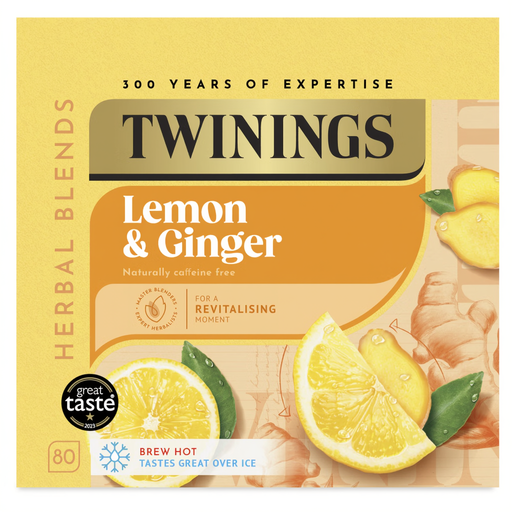
Consider the 80-bag quantity where lemon-and-ginger tea is served regularly; check the full ingredients against residents’ individual requirements.
 No image available
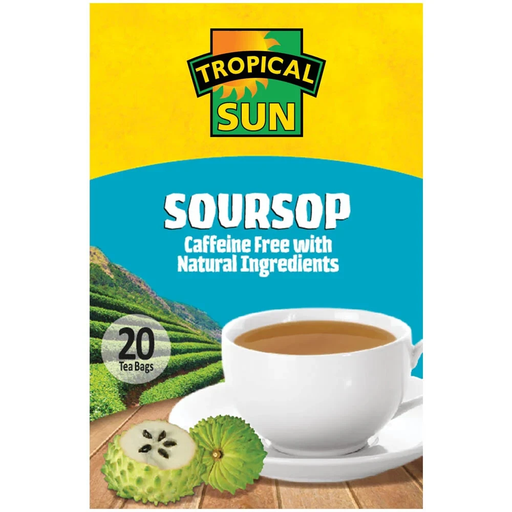
The 20-bag pack is a smaller stock quantity than the 80-pack of this blend. Check the ingredients and pack directions before adding it to a drinks round.
 No image available
This 20-bag option provides a different named blend for a smaller stockholding. Check its exact ingredients and preparation directions before service.
 No image available
For an 80-bag peppermint option, the Joybuy product listing identifies the ingredient as 100% peppermint. Keep the pack information available and follow its preparation directions.
 No image available
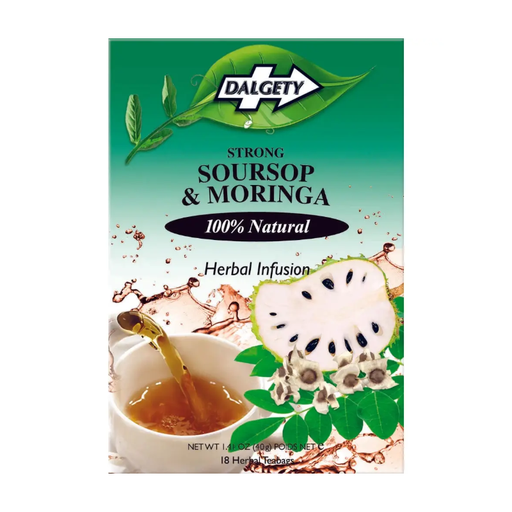
If offering this soursop-and-moringa blend alongside other drinks, check its ingredients, portion format and preparation directions against the home’s service arrangements.
It may work as a staff-managed presentation or storage choice, but do not assume it suits regular bulk service. Twinings lists filled glass jars, including a 30-envelope caffeine-free selection; assess serving quantity, cleaning, storage, breakage and access before using one in a care-home dining area.
Do not treat it as suitable for everyone without individual checks. Teapigs advises people with hypertension to limit its liquorice-and-peppermint tea to one cup a day; retain the exact product information and check relevant care plans before service.
Staff still need to identify the tea and access its ingredients, cautions, preparation directions and date information. Keep the original labelled pack or an accurate record linked to the tea in the jar, and apply the home’s storage and handling procedures.
No: use the exact ingredient list and preparation directions rather than assuming what a blend name means. Products within a herbal range can contain different botanicals, so check the particular tea against each resident’s requirements.