Care-home catering teams serving group desserts
Match the number of portions to tub size and freezer space, while keeping each flavour identifiable for ingredient and allergen checks during service.


For a predictable group service using one flavour, a 2-litre tub may suit the number of portions needed; a 900ml tub can be easier to fit into a smaller or changing menu, while a 440–465ml tub allows a small service to offer a particular flavour. Size alone cannot establish whether an ice cream is suitable for a resident: check the current pack, allergy records, individual care plan and any prescribed swallowing-texture requirements before serving.
Match the number of portions to tub size and freezer space, while keeping each flavour identifiable for ingredient and allergen checks during service.
A dessert choice needs to fit the resident’s agreed plan. Public Health England’s residential-care catering toolkit calls for screening and individual planning for people at risk of malnutrition; ice cream is not a substitute for that process.
Check the exact product and the resident’s records before service. The International Dysphagia Diet Standardisation Initiative (IDDSI) notes that ice cream can melt quickly to a liquid consistency, so a smooth appearance does not establish suitability for a prescribed texture.
Start with the planned service and resident-specific requirements, then choose a tub size that fits the number of portions and flavour rotation.
| Priority | What to check | Your needs |
|---|---|---|
| Tub size | Estimate portions per service, available freezer space and how much of an opened tub the menu will use. Tesco and Sainsbury’s listings include 2-litre group tubs; Tesco also lists a 900ml tub. | We serve the same flavour to a group regularly, or we need a smaller tub because menus and numbers change. |
| Flavour choice | Check the exact flavour and whether it contains pieces, swirls or a shell. Smaller 440–465ml tubs can serve a particular flavour without opening a larger pack. | A small group wants a specific flavour, but not every resident can necessarily have the same ingredients or texture. |
| Allergens | Read the current pack’s ingredients and allergen declaration for each flavour. Keep its identity available after opening and follow the home’s controls for utensils and preparation; GOV.UK allergen guidance covers both prepacked and non-prepacked food service. | I need staff to know which tub they are serving and to follow each resident’s allergy information. |
| Swallowing texture | Check any individual texture requirement against the product and serving method. IDDSI notes that ice cream can melt rapidly to a liquid; inclusions can also change chewing demands. | A resident has a swallowing plan, so I cannot judge suitability by whether the ice cream looks smooth in the tub. |
| Nutrition plan | Use the current pack’s nutrition information on a consistent per 100g, per 100ml or serving basis. Check how the dessert fits the individual plan rather than choosing by a front-of-pack description alone. | For residents with an agreed nutrition plan, the dessert needs to be considered alongside their other food and support. |
A 2-litre tub only fits the service if enough portions of that flavour are needed and the home can manage the opened product.
Estimate covers and flavour choices before ordering. Consider a 900ml or smaller tub when a menu rotates frequently.
Unused portions create waste if an opened tub cannot be used as planned.
Ingredients differ between products and flavours. Pieces, sauces and toppings can add allergens, while shared serving equipment can complicate allergen control.
Check the exact current label, retain the product’s identity after opening and follow the home’s allergen-control procedure when scooping and serving.
IDDSI notes that ice cream can melt quickly to a liquid consistency. Chunks and shells introduce further texture differences that a smooth-looking base does not reveal.
Use only a product and serving method that fit the resident’s assessed swallowing plan; do not substitute a standard tub for a prescribed texture-modified dessert.
Public Health England’s residential-care toolkit and NICE guidance describe individual assessment and coordinated nutrition support rather than one food choice for everyone.
Keep dessert choices within the resident’s agreed menu and care plan, involving the appropriate care team when nutritional needs require review.
These examples show how pack formats and ingredients vary; check the exact product rather than treating a brand name as an allergen or texture specification.
Tesco lists Häagen-Dazs Vanilla in a 460ml tub, a format to consider for a small service or flavour rotation.
Tesco lists Half Baked in a 465ml sharing tub, suited to considering a particular flavour for a small service.
Magnum’s Double Salted Caramel tub is a 440ml example with a chocolate shell and shards.
Tesco’s listings include a 900ml vanilla tub and a 2-litre Cornish ice cream tub, offering different volumes for group planning.
Sainsbury’s lists a 2-litre Vanilla Flavour Soft Scoop tub alongside smaller ice cream tubs.
M&S Cornish Soft Scoop Vanilla is labelled 785g, making weight—not volume—the stated pack-size basis.
These options cover individual 95ml cups and sharing tubs labelled 460ml, 465ml or 900ml. Compare their pack formats with your planned portions, then check the exact delivered pack and each resident’s requirements before service.
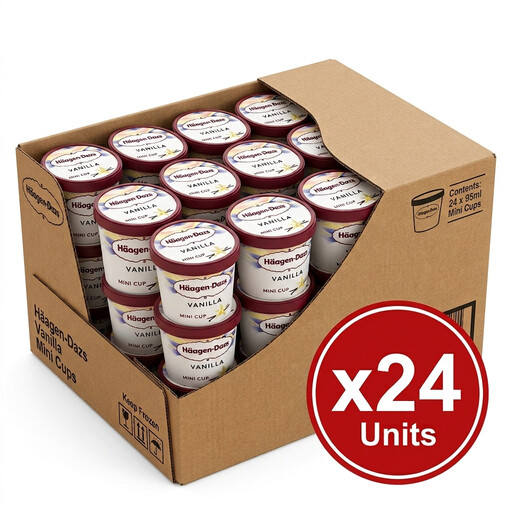 No image available
Individual cups allow portions to be planned without scooping from a shared tub. Check the current pack’s ingredients and allergens, and confirm any prescribed swallowing texture against the resident’s plan: ice cream can melt quickly in the mouth.
 No image available
The 460ml sharing tub can be considered for a small service or flavour rotation. The product information identifies milk and egg allergens; check the current pack and resident records, and do not assume the melting ice cream meets a prescribed swallowing texture.
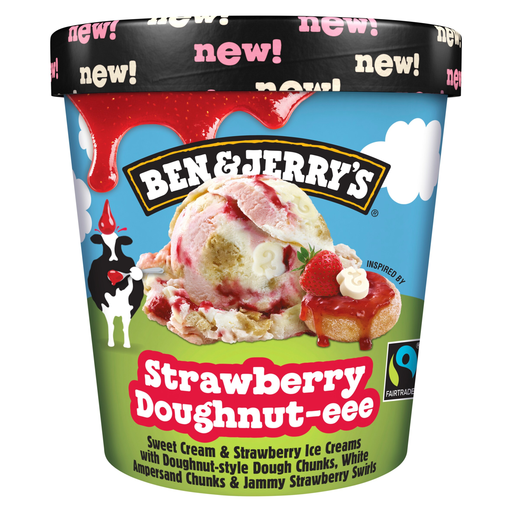 No image available
This 465ml tub is a small-service option when its strawberry flavour is wanted. The product information describes dough-style chunks and identifies milk, wheat, egg and soya; check the current pack, allergen records and any prescribed texture before serving.
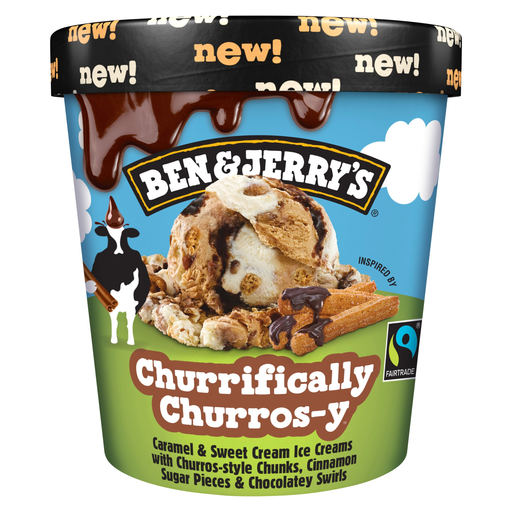 No image available
The 465ml tub offers a particular flavour for a limited service. Its product information describes churros-style chunks and cinnamon sugar pieces, identifies milk, wheat and egg, and says it may contain almonds, hazelnuts and walnuts; verify the current pack and each resident’s allergen and texture requirements.
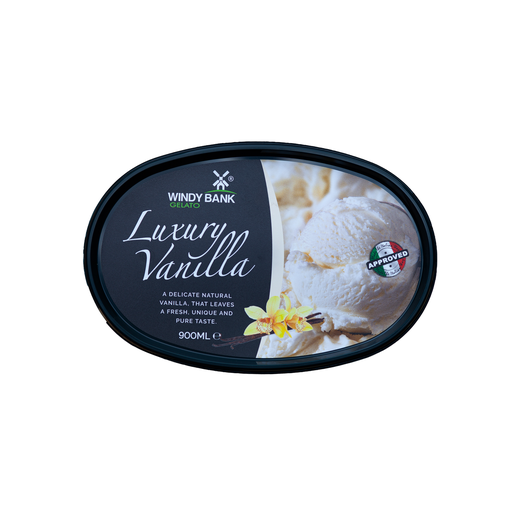 No image available
A 900ml tub could fit a smaller group or rotating menu. Confirm the supplied format before ordering: the title says 900ml, while the description also mentions 5-litre food-service pans. The product information identifies milk and possible nut and peanut traces; check the current pack and resident requirements before service.
Start with expected portions and how often the same flavour will be served. A 2-litre tub can suit predictable group service; a 900ml tub may fit a smaller unit or rotating menu, while a 440–465ml tub can serve a small group wanting a particular flavour. No size removes the need for resident-specific checks.
No: a smooth appearance does not establish suitability. IDDSI notes that ice cream can melt quickly to a liquid consistency, and pieces or shells add further texture differences. Follow the resident’s assessed swallowing plan and local process before serving it.
Check the current label for the exact flavour, keep the opened tub identifiable and use the home’s controls for utensils and preparation. GOV.UK allergen guidance says food businesses must provide allergen information for prepacked and non-prepacked food and manage allergens during preparation.
Not on that description alone. NICE and Public Health England’s residential-care toolkit emphasise individual assessment and planned nutrition support. Compare the current product information with the resident’s agreed care plan rather than assuming a marketing description establishes suitability.
Follow the instructions on its exact pack and the home’s food-safety controls during storage and service. For example, the M&S Cornish Soft Scoop Vanilla product page specifies storage at -18°C and says not to refreeze; those instructions describe that product, not every tub.