Teams planning routine desserts
For catering staff estimating how many portions a tub will provide across repeated services, while checking that each product fits the residents who will be offered it.


For routine care-home desserts, choose a tub size and stated serving yield that fit the planned number of portions; use smaller flavoured or plant-based tubs when the menu or an individual resident’s recorded needs call for them. No tub is suitable for every resident: check its current allergen label, and follow a clinician-led plan before serving ice cream to someone with dysphagia.
For catering staff estimating how many portions a tub will provide across repeated services, while checking that each product fits the residents who will be offered it.
For teams choosing desserts around residents’ assessed needs and preferences. Norfolk and Waveney Integrated Care System’s care-home guidance calls for nutritional needs to be assessed and reviewed, including clinical requirements.
For staff who need to match the exact product to a resident’s care record. GOV.UK guidance addresses communication of recorded dietary needs to serving staff; the International Dysphagia Diet Standardisation Initiative (IDDSI) calls for individual clinician recommendations and testing under intended serving conditions.
Start with the residents who will be served, then plan portions and check the exact tub and its serving conditions.
| Priority | What to check | Your needs |
|---|---|---|
| Pack size and portions | Compare tub volumes on the same basis. Use a stated scoop size or serving count, where provided, to plan portions. | I’m serving dessert regularly and need to know how many tubs the planned portions will use. |
| Individual nutrition plans | Check the resident’s current plan and the product’s ingredients and nutrition information. Compare nutrition figures on the same per 100g or stated-portion basis. | A resident’s assessed needs or preferences may make a routine vanilla tub the wrong choice, regardless of its size. Norfolk and Waveney Integrated Care System’s care-home guidance calls for individual needs to be assessed and reviewed. |
| Allergens at service | Read the current pack’s ingredient list and precautionary allergen statements. Match the exact product to the care record and communicate requirements to serving staff. | I need staff serving dessert to know which residents can have this particular tub. GOV.UK’s guidance for institutional caterers says dietary needs recorded in a care home must be communicated to those serving food. |
| Texture and temperature | Check the individual clinician-led dysphagia plan. Where the product is permitted, assess it under intended serving conditions, particularly temperature. | A soft-looking frozen scoop does not tell me whether it fits a resident’s texture-modified diet. IDDSI states that testing reflects a product’s characteristics at the time of testing and that clinicians make individual recommendations. |
| Storage and handling | Follow the exact pack’s frozen-storage and thawing instructions. Check any directions that apply once the tub has been opened. | I need a tub that can be handled according to its label throughout the planned dessert service; the Tesco and M&S examples specify frozen storage at −18°C and say not to refreeze after thawing. |
The tub used at service must fit the resident’s recorded requirements; a listing consulted when planning the menu is not the pack being served.
Check the current physical label against the care record and make the requirement clear to serving staff. GOV.UK’s institutional-caterer guidance specifically addresses communication of care-record dietary needs.
Ice cream changes consistency as it warms, so its frozen appearance cannot establish suitability for an individual with swallowing difficulties.
Follow that resident’s clinician-led plan. IDDSI says testing should take place under intended serving conditions, especially temperature.
These named products illustrate different tub sizes and styles; a brand name alone does not establish suitability for a resident.
Sainsbury’s Vanilla Flavour Soft Scoop is a 2L tub for planning larger batches of vanilla dessert.
Tesco Vanilla Ice Cream is a 900ml own-label tub when a smaller vanilla format fits the service plan.
M&S Cornish Soft Scoop Vanilla Ice Cream is a 785g product made with Cornish milk and double cream.
The Häagen-Dazs Vanilla tub in the supplied retailer listing is a 460ml alternative when a smaller format fits the menu.
Ben & Jerry’s listings include flavoured tubs, including a 465ml non-dairy Chocolate Fudge Brownie variant.
Magnum Classic Ice Cream Tub is listed in a 440ml format for a smaller-tub dessert option.
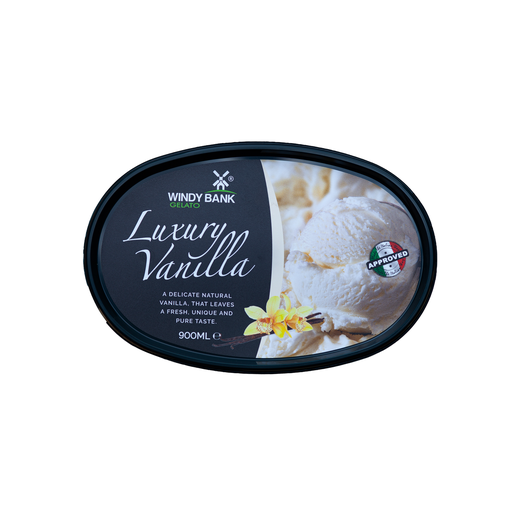
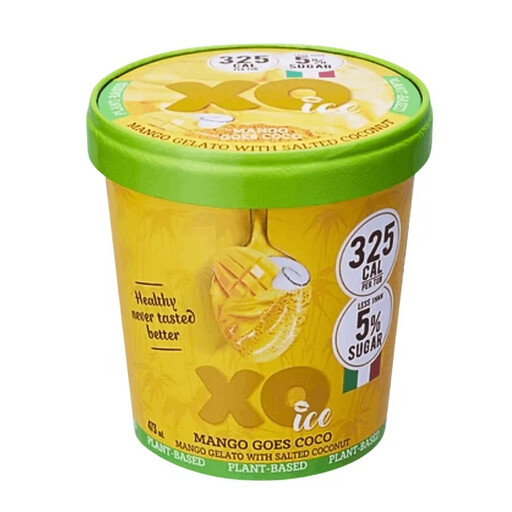
These options cover a 900ml vanilla gelato tub for routine menu planning and a 473ml plant-based mango-and-coconut tub for a different dessert requirement. Check either product against the residents who will be served.
 No image available
The 900ml vanilla tub is an option when that pack size fits planned dessert portions. Its listed allergen information identifies milk and a may-contain warning for nuts and peanuts; check the current pack against resident records before service.
 No image available
This 473ml plant-based mango-and-coconut tub is a different menu option from vanilla dairy ice cream. Its listed allergen information mentions coconut and possible traces of eggs, peanuts, sesame and tree nuts; match the current pack to the resident’s care record.
No. A larger tub may fit planned routine portions, but suitability depends on each resident’s assessed needs and the exact product. Norfolk and Waveney Integrated Care System’s care-home guidance calls for individual nutrition and clinical requirements to be assessed and reviewed; check the tub’s current label before service.
Check the exact current pack against the resident’s care record and communicate any dietary requirements to the staff serving it. GOV.UK’s institutional-caterer guidance says care homes should have a process for passing recorded dietary needs to serving staff.
Only when it fits that resident’s clinician-led plan. IDDSI says testing should reflect intended serving conditions, particularly temperature, and that clinicians are responsible for individual food and drink recommendations; softness while frozen is not enough to establish suitability.
Follow the instructions on the exact pack, including any directions for an opened tub. The Tesco and M&S examples specify frozen storage at −18°C and say not to refreeze after thawing; retain the product’s date information and follow the home’s food-safety procedures.