Care-home catering managers
Staff planning occasional drinks, recipes or regular service need to distinguish single-ingredient matcha from sweetened, flavoured blends. Expected use also affects which pack size is practical.


For care-home dining, choose plain matcha when staff need one ingredient for drinks and recipes; consider a smaller pack for occasional service and a larger one only if it can be used and stored appropriately after opening. A flavoured blend needs its own ingredient and portion checks. If a jar or particular closure matters, confirm the delivered pack rather than choosing by powder type or pack size.
Staff planning occasional drinks, recipes or regular service need to distinguish single-ingredient matcha from sweetened, flavoured blends. Expected use also affects which pack size is practical.
Drink choices need to fit each resident’s assessed needs and care plan. The Care Quality Commission’s guidance for regulated care in England requires providers to assess nutritional needs and provide food and drink that meets them.
For a resident with a prescribed drinking texture, the finished matcha drink must follow their swallowing plan. The International Dysphagia Diet Standardisation Initiative (IDDSI) provides the texture terminology used in the UK; the dry powder does not determine the finished drink’s suitability.
Start with the intended recipe and expected usage, then check the exact product label, pack and preparation instructions before adding matcha to service.
| Priority | What to check | Your needs |
|---|---|---|
| Ingredients | Check whether the powder is 100% matcha or a blend. Record the current ingredients and allergen information for both the product and the complete recipe. | I need a plain base for drinks or recipes, or a flavoured drink whose added ingredients fit the planned menu and individual assessments. |
| Portions and caffeine | Use the product’s stated preparation amount and caffeine declaration where available. Tesco lists 68mg per 2g serving for PerfectTed Ceremonial Grade Matcha; Waitrose lists 43mg per 5g serving for Perfect Ted Vanilla Bean Matcha. | For routine service, I need portions staff can prepare consistently while considering each resident’s care plan and other caffeine sources. These figures describe different products and serving sizes. |
| Finished texture | Check the resident’s prescribed IDDSI level where applicable. Prepare and assess the finished drink according to their swallowing plan, rather than judging it by the dry powder. | If a resident needs a modified drinking texture, an ordinary matcha recipe cannot stand in for their prescribed preparation process. |
| Pack and storage | Match pack size to expected use; confirm the delivered container, closure, best-before date and instructions for storage after opening. Clearspring lists 40g, 100g and 1kg size options, but size alone does not identify the container. | For occasional service, I may prefer less powder held open. If the kitchen needs a jar or resealable closure, I need to confirm the actual pack before ordering. |
Waitrose lists Perfect Ted Vanilla Bean Matcha with coconut sugar, 30% matcha and natural flavourings. It is a different ingredient choice from the 100% matcha products listed by Clearspring and Tesco.
Specify 100% matcha when the recipe calls for a plain powder. For a flavoured drink, check every ingredient against the recipe and residents’ assessed needs.
The European Food Safety Authority says its caffeine assessment for the general healthy population does not cover people affected by medical conditions or caffeine taken with medicines. A care-home decision therefore needs more than a general-population figure.
Use the exact product’s serving and caffeine information, consider other caffeine sources and follow the resident’s care plan and relevant clinical advice.
The relevant texture is that of the prepared drink. In the UK, IDDSI terminology is used for texture-modified foods and thickened liquids.
Follow the resident’s prescribed IDDSI level and local preparation and assessment procedures for the finished drink.
Clearspring lists a 1kg matcha option, but a size listing does not establish the container or its closure. Those details affect whether staff can use the pack as intended.
Confirm the delivered pack type, reseal method, best-before date and storage instructions before selecting a larger format for the kitchen.
Its Organic Japanese Matcha Green Tea Powder is a plain powder offered in several sizes, making it a reference for matching stockholding to planned menu use.
Its plain 30g matcha and Vanilla Bean blend illustrate why staff should check the exact product rather than rely on the brand name.
Its 30g organic ceremonial matcha provides a smaller plain-powder reference for occasional preparation.
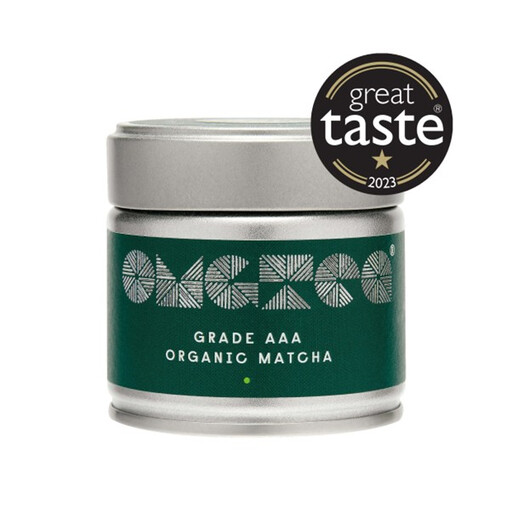
These 30g OMGTea matcha powders are options to consider for smaller-scale care-home service or trials. Check the delivered pack and each resident’s requirements before use.
 No image available
The 30g size is worth considering for occasional preparation or a trial. Check whether the stated refrigeration-after-opening and sifting steps fit staff routines, and confirm the delivered container if a jar is required.
 No image available
This 30g option may fit occasional plain-matcha service. Before setting resident portions, check the current label for preparation, caffeine and storage information; confirm the delivered closure if a jar is needed.
Do not assume one recipe suits every resident. The Care Quality Commission’s guidance for regulated care in England requires nutritional needs to be assessed and met; portion, ingredients, caffeine and drinking texture should follow the individual’s care plan where relevant.
Tesco lists PerfectTed Ceremonial Grade Matcha at 68mg per 2g serving, while Waitrose lists Perfect Ted Vanilla Bean Matcha at 43mg per 5g serving. Use the figure and serving size for the exact product being prepared rather than substituting one product’s declaration for another.
A jar alone does not settle the choice. Confirm the delivered container and closure, then check the product label, storage instructions, best-before date and suitability of the intended recipe for the residents being served.
Check the current label for the exact matcha product and keep ingredient and allergen information for the whole recipe, including any milk, plant drink, syrup or garnish. GOV.UK’s allergen guidance for food businesses covers providing allergen information and managing allergens during preparation.
Only prepare it for that resident in accordance with their assessed swallowing plan and prescribed IDDSI level. The finished drink needs to meet the required texture; choosing a particular dry powder does not establish that it will.