Teams serving milk throughout the day
If breakfast, hot drinks and cooking create steady demand, the decision is whether larger chilled bottles can be used within their dates and rotated reliably.


For predictable daily use, larger bottles of standard fresh whole milk make sense if the home can keep them chilled and use them within the pack dates. Where demand varies, filtered fresh milk is another option: Arla states a longer freshness period for Cravendale, but the exact pack instructions still apply. Keep whole-milk powder as a separately managed option for recipes or contingency, not a like-for-like replacement for fresh milk, and make each resident’s milk choice within their individual care plan.
If breakfast, hot drinks and cooking create steady demand, the decision is whether larger chilled bottles can be used within their dates and rotated reliably.
When occupancy, preferences or menus change consumption, compare bottle turnover with the pack’s storage instructions. Arla states that Cravendale filtered milk stays fresh for up to three weeks unopened and seven days once opened; those periods do not replace the exact pack dates.
Norfolk and Waveney Integrated Care System advises regular assessment and review of residents’ nutritional needs. Whole milk or a fortified-milk recipe should fit the individual plan rather than become a default for every resident.
Start with how milk will be used and how quickly chilled bottles are emptied, then check individual requirements and the procedures needed for each product format.
Choose when: Daily use is predictable and larger bottles can be refrigerated and finished within their labelled dates.
Bear in mind: A bottle that is too large for actual turnover can lead to avoidable waste.
Choose when: Variable demand makes the stated freshness period useful for stock planning.
Bear in mind: Arla’s Cravendale freshness period is a manufacturer claim; refrigeration and the exact pack dates still govern use.
Choose when: A separately managed contingency supply or recipe ingredient is needed.
Bear in mind: Powder needs preparation and its ingredients and allergen declaration must be checked separately from fresh milk.
| Priority | What to check | Your needs |
|---|---|---|
| Individual needs | Check the resident’s current nutrition plan, preferences and any relevant clinical or swallowing instructions. Check whether the recipe calls for whole milk or a fortified preparation. | I need the milk served to fit each resident’s assessed requirements, rather than a single rule for the whole home. Norfolk and Waveney Integrated Care System advises regular assessment and review of nutritional needs. |
| Bottle turnover | Compare expected daily use with bottle size, refrigeration capacity and the exact use-by and after-opening instructions. Waitrose instructs users of its Essential British Free Range Whole Milk 4-pint bottle to refrigerate it below 5°C and consume it within three days of opening. | If milk use changes across the week, I want a bottle size the kitchen can finish within its dates. For less predictable demand, I would also check whether filtered milk’s stated freshness period helps with stock rotation. |
| Ingredients and allergens | Use the current pack label and update recipes and allergen records when a product changes. The Food Standards Agency identifies milk as an allergen; check powder for its full ingredient and allergen declaration rather than assuming it matches plain fresh milk. | When milk goes into drinks, cooking or fortified recipes, I need staff to know which exact product was used and what its label declares. |
| Powder preparation | Check the exact pack’s mixing directions, storage instructions and after-opening period. Resolve any differences in preparation or allergen information before serving. | For a contingency tin or recipe ingredient, I need a preparation process staff can follow consistently; powder is not ready-to-serve fresh milk. |
| Food-safety procedures | Check that procedures suit the home’s service type and cover the products and preparation methods in use. GOV.UK states that its residential-care-home Safer food, better business supplement is not intended for nursing homes. | If I manage a nursing-home kitchen, I need food-safety procedures appropriate to that setting rather than relying on the residential-home supplement. |
Residents can have different nutritional needs, preferences, allergies or swallowing requirements. A general milk choice cannot replace an individual assessment.
Use whole milk or fortified-milk recipes within the resident’s care plan, following relevant professional advice where required. Norfolk and Waveney Integrated Care System advises regular assessment and review of nutritional needs.
Standard fresh milk still needs refrigeration and use within its dates. Waitrose instructs users of its 4-pint whole milk to keep it below 5°C and consume it within three days of opening; check the instructions on whichever product you buy.
Estimate use at each service point before choosing a bottle size, and rotate chilled stock against the exact pack dates.
Milk left unused beyond its date or after-opening instructions creates avoidable waste.
Powder needs measured preparation and may carry a different ingredient and allergen declaration. The Food Standards Agency identifies milk as an allergen, so the exact product label matters in drinks and recipes.
Approve the powder’s preparation method and update recipe and allergen records before using it as a separate supply option.
GOV.UK says its Safer food, better business supplement for residential care homes is not intended for nursing homes, which need other food-safety procedures.
Confirm the home’s service type and use procedures appropriate to its food operation, including any changes to products or preparation.
These examples illustrate fresh-milk formats and label checks; they are not a list of products available through Joybuy.
Sainsbury’s lists a 3.4L, 6-pint British whole milk bottle, a format to consider where chilled milk use is steady.
Tesco Groceries lists British Whole Milk in a 2.272L, 4-pint bottle for routine chilled use.
Waitrose Essential British Free Range Whole Milk is a 4-pint fresh-milk option with explicit storage instructions.
Cravendale is filtered fresh whole milk for kitchens considering a stated longer freshness period.
These powders are options for a separately managed contingency supply or recipe use in care-home dining. They require preparation and should not be treated as identical replacements for the fresh whole-milk bottles discussed above.
 No image available
Consider this 900g powder where staff can prepare milk for a separately managed contingency supply or recipe use; it is not ready-to-serve fresh milk.
Follow the pack’s preparation and after-opening instructions, and check its milk and soya allergen declaration against current resident and recipe records.
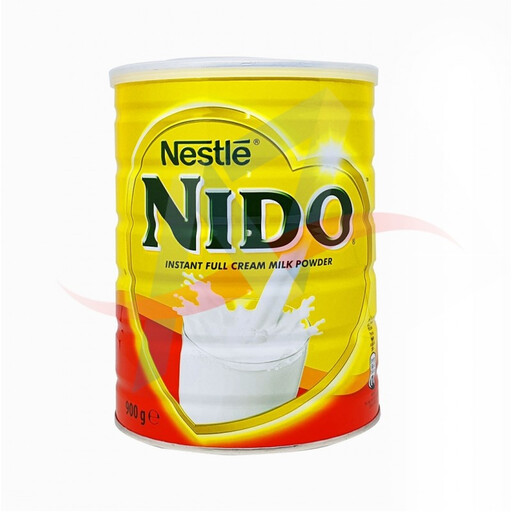 No image available
This 900g powder is an option for prepared drinks or recipes when staff can manage reconstitution; it is not ready-to-serve fresh milk.
Check the exact pack’s mixing and storage instructions before use, and confirm its milk and soya allergen declaration in the home’s records.
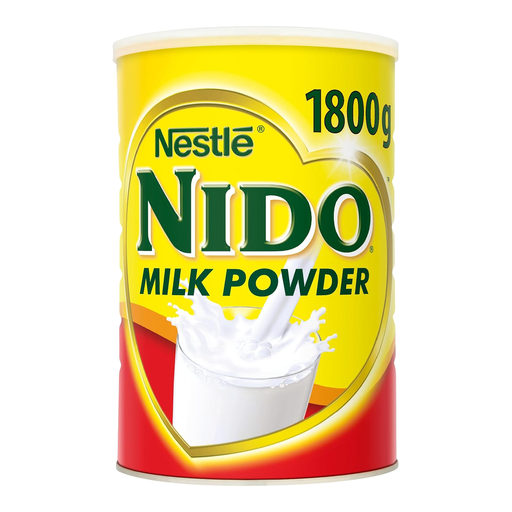 No image available
This 1.8kg powder may suit separately managed contingency or recipe use, not routine service as fresh whole milk.
Preparation ratios and allergen wording differ between the product descriptions. Resolve both against the exact pack before serving, and follow its storage instructions.
No single milk choice suits every resident. Norfolk and Waveney Integrated Care System advises that nutritional needs be assessed and reviewed regularly; use whole milk within an individual plan that accounts for preferences and relevant allergy, clinical or swallowing requirements.
Choose a larger bottle when daily demand is predictable and the home can refrigerate it and use it within the exact pack dates. Sainsbury’s lists a 3.4L, 6-pint whole milk bottle, while Tesco Groceries lists a 2.272L, 4-pint bottle; compare those sizes against actual use rather than size alone.
No. Arla states that Cravendale stays fresh for up to three weeks unopened and seven days once opened, which may help where demand varies. Staff still need to refrigerate it and follow the exact pack’s dates and instructions.
It can be considered as a separately managed contingency product if the home can follow the exact pack’s preparation, storage and allergen instructions. Powder requires reconstitution and is not an identical replacement for fresh whole milk; resolve any conflicting label or listing details before serving it.
Check the current label for each product and record its use in drinks and recipes. The Food Standards Agency identifies milk as an allergen, and a milk powder may declare additional ingredients or allergens; do not copy the allergen record for plain fresh milk across to a different product.