Care home catering teams
For staff choosing packaged drinks for residents whose plans permit ordinary thin liquids. The practical checks are the current ingredients, allergens, nutrition declaration and serving format.


Do not choose a sparkling milkshake as the default drink for care home dining. A standard milkshake may be an option where a resident’s care plan permits ordinary thin drinks; for a documented nutrition need or prescribed fluid thickness, check the individual plan and the exact product before serving. Carbonation adds a preparation consideration if a drink must be thickened.
The same milkshake need not suit every resident: start with the person’s drinking and nutrition plan, then consider the product.
For staff choosing packaged drinks for residents whose plans permit ordinary thin liquids. The practical checks are the current ingredients, allergens, nutrition declaration and serving format.
For staff preparing drinks to a prescribed consistency. The International Dysphagia Diet Standardisation Initiative (IDDSI) describes drink levels from 0 to 4; a milkshake’s appearance does not establish its level.
For homes considering a milkshake or milk-based nutrition drink as part of an individual plan. Compare the exact serving and nutrition declaration with that plan rather than choosing by a protein claim alone.
Check fluid consistency before flavour or format. Then compare the pack label with the resident’s nutrition, allergen and service requirements.
| Priority | What to check | Your needs |
|---|---|---|
| Fluid consistency | Check the current swallowing plan and any prescribed IDDSI level. For modified fluids, confirm the prepared drink using the applicable testing instructions; creamy appearance is not a test. | “Can this resident have an ordinary thin drink, or must the drink meet a prescribed thickness when served?” |
| Carbonation | Confirm whether the exact drink is carbonated. If it needs thickening, Royal United Hospitals Bath NHS Foundation Trust advises stirring a carbonated drink until flat before adding thickener; follow the resident’s clinical and product instructions. | “If I’m considering a sparkling drink, will its preparation fit this resident’s fluid plan?” |
| Nutrition and portion | Read energy, protein and sugars in the stated serving, as well as the pack size. Compare those figures and the intended portion with the resident’s documented plan. | “I’m choosing a snack drink for a particular resident, not assuming a protein-labelled shake suits everyone.” |
| Ingredients and allergens | Check the delivered pack’s full ingredients and allergen information. A lactose-free description, if present, should not be taken to mean milk-allergy suitability. | “Before service, I need to match the exact product to this resident’s allergy and dietary requirements.” |
| Service format | Check the portion size, storage directions and use-by date. Plan how a single-serve or larger pack will be handled and how much is actually served. | “The pack has to work for our service without losing sight of the resident’s individual portion and care plan.” |
People with dysphagia can have difficulty swallowing particular drinks, as the NHS explains. IDDSI describes drink consistency by level, not by how thick a product looks.
Check the resident’s current instructions and the prepared drink’s prescribed consistency before offering a standard or sparkling milkshake.
Carbonation matters when a drink must be thickened. Royal United Hospitals Bath NHS Foundation Trust instructs staff to stir carbonated drinks until flat before adding thickener.
Use the drink and preparation method specified for the resident, following clinical and thickener instructions rather than treating carbonation as a reason to choose it.
A product decision depends on the ingredients, allergens and nutrition of the pack that will actually be served.
Check the current pack label, storage directions and use-by date when introducing a drink to the menu and before serving it to a resident with dietary requirements.
A protein claim or large serving does not establish that a drink fits every resident’s nutrition, allergy or swallowing requirements. The Care Quality Commission highlights the need to address risks involving nutrition, hydration and swallowing.
Match the product and portion to the individual plan, and seek the relevant clinical or dietetic guidance when that plan requires it.
These references show the kinds of milk drinks listed in the UK; a brand name does not determine whether a particular pack suits a resident.
Yazoo presents a range of flavoured milk drinks that may be considered where an ordinary milk-based drink fits a resident’s plan.
Tesco and Sainsbury’s list a Müller Frijj chocolate milkshake in a 330ml format.
Tesco Groceries lists ready-to-drink milkshakes, protein shakes and dairy-free drinks as distinct shopping categories.
These ready-to-drink, nutrition-focused shakes and milk drinks are options to compare with a documented resident plan. They are not identified here as sparkling drinks or as drinks meeting a prescribed IDDSI level.
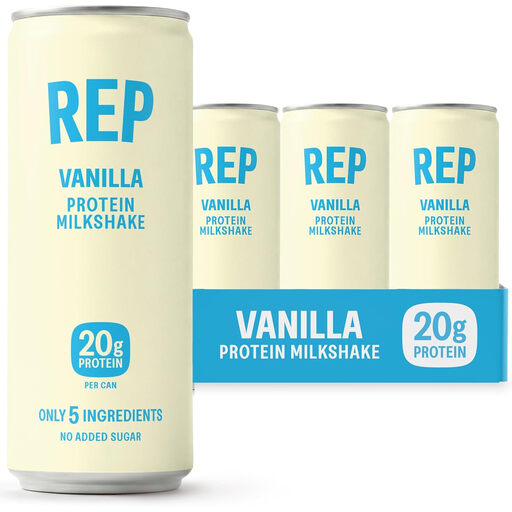 No image available
The 250ml cans offer a stated portion to compare with an individual nutrition plan. Check the current pack’s ingredients, allergens and per-serving nutrition, and confirm whether the drink and its consistency fit the resident’s swallowing plan.
 No image available
The 330ml bottle format may suit a planned, portioned drink service. Compare its current nutrition and allergen label with the resident’s documented requirements, and check fluid consistency before serving it under a swallowing plan.
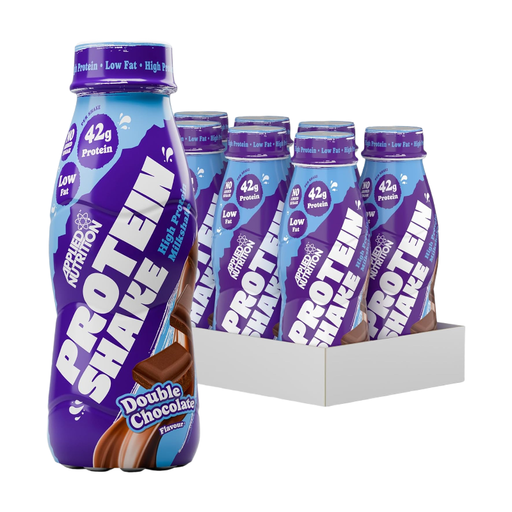 No image available
Check whether a 500ml bottle matches the intended serving in the resident’s nutrition plan. Read the current ingredients, allergens and per-bottle nutrition, and confirm any required fluid consistency independently of the shake’s description.
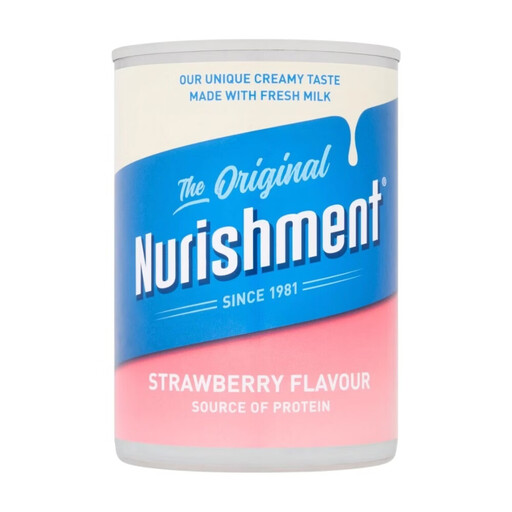 No image available
This milk drink is an adjacent option for a nutrition-focused drink plan rather than a product named as a milkshake. Check the can’s serving directions, current ingredients, allergens and nutrition declaration against the resident’s plan, including any prescribed fluid consistency.
No. Choose a drink for each resident’s care plan rather than treating sparkle as a service advantage. If a drink must be thickened, Royal United Hospitals Bath NHS Foundation Trust advises stirring carbonated drinks until flat before adding thickener; the resident’s clinical instructions still govern what is served.
Only when their current swallowing plan permits that drink at the required consistency. IDDSI defines drink levels from 0 to 4; a milkshake’s creamy appearance does not establish which level the prepared drink meets.
Check the exact current pack’s ingredient list and allergen information before serving it. The Food Standards Agency identifies milk as an allergen and provides guidance on allergen information for prepacked and non-prepacked food and drink; do not treat a lactose-free description as proof of milk-allergy suitability.
No. Compare the exact product’s serving size, nutrition and ingredients with the resident’s documented plan, including any dietary or swallowing requirements. A protein claim alone does not settle those checks.
Choose the drink and portion in the context of the resident’s individual nutrition and hydration needs. Care Quality Commission guidance highlights risks involving poor nutrition, dehydration and swallowing problems, so a convenient pack format must not override the resident’s care plan.