What matters when choosing pasta?
Start with residents’ individual plans, then choose a cupboard range that staff can prepare and serve consistently.
| Concern | What to check | Who this matters to |
|---|
| Individual nutrition |
Compare the planned portion and complete meal with the resident’s dietary plan; check nutrition for the amount served. |
When a resident needs an individually planned meal, the pasta, sauce and accompaniments all matter. About 36% of consumers put meal-plan fit first. |
| Allergens and gluten-free control |
Check current labels for every component and follow the home’s controls for storage, preparation and service. |
If a resident needs a gluten-free or other allergen-controlled meal, a suitable pasta on its own is not enough. Roughly 29% of consumers make allergen control their primary concern. |
| Prescribed texture |
Check the resident’s IDDSI level and the approved recipe and testing procedure for the finished dish. |
For a resident with a swallowing or chewing plan, I need to know the served meal meets the prescribed texture, not just that the sauce looks smooth. About 21% of consumers prioritise texture control. |
| Routine menu preparation |
Check pack size, cooking instructions, sauce serving size and how each ingredient fits the menu cycle. |
When staff prepare familiar pasta dishes regularly, manageable cooking and portioning help the kitchen plan service. Around 14% of consumers put routine menu preparation first. |
Joybuy pasta and sauce selections
These selections cover standard dried pasta, a wholewheat dried pasta bundle and a pasta sauce for planned menus. Check each finished dish against the needs of the residents being served.
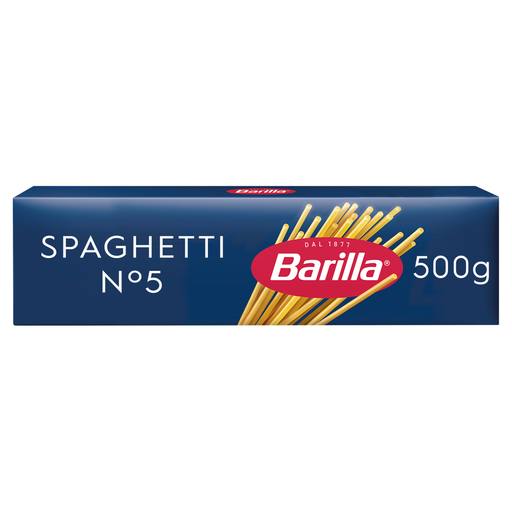 Image unavailable
Barilla Spaghetti 500 g
A dried spaghetti option for routine menus. Check the current pack and the other dish components when preparing food for residents with allergen or individual dietary requirements.
 Image unavailable
Morrisons Fusilli 500 g
A spiral-shaped dried pasta for planned meals with sauce. Use the current pack information for recipe and allergen records; softer cooking alone does not establish a prescribed texture level.
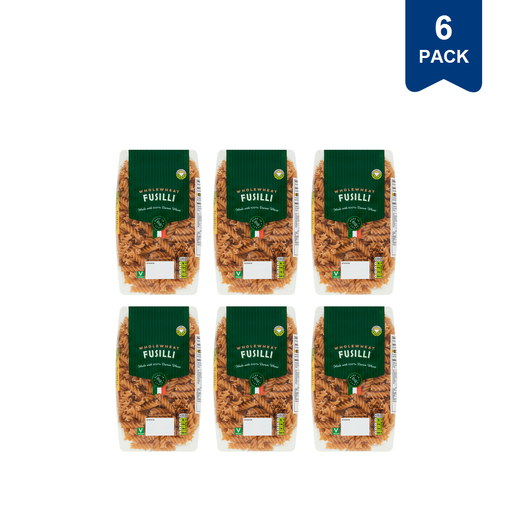 Image unavailable
Morrisons Wholewheat Fusilli, 6 × 500 g
A wholewheat option for menus where that pasta type fits residents’ individual plans. The six-pack bundle may suit planned cupboard quantities; wholewheat is not an automatic substitute for every resident’s usual pasta.
 Image unavailable
Heinz Tomato Mascarpone & Grana Padano Pasta Sauce 350 g
A sauce option for pasta menus that call for a heated sauce. Check its current ingredient label and the amount intended for each serving when assessing the complete dish.
Common questions
Can a care home serve ordinary dried pasta to every resident?
No single pasta choice establishes suitability for every resident. Check documented dietary requirements and assess any texture-modified meal against the resident’s prescribed IDDSI level and the home’s approved process.
What allergen information does a care-home pasta meal need?
The Food Standards Agency says food businesses must provide allergen information for prepacked and non-prepacked food and drink. Keep the dish-level information current when pasta, sauce, toppings or suppliers change, and follow the home’s cross-contact controls.
Does a smooth pasta sauce meet an IDDSI requirement?
A smooth product description does not establish an IDDSI level. Where a resident has a prescribed texture requirement, prepare and test the complete meal, including pasta and any pieces in the sauce, under the home’s approved process.
Must every care-home pasta meal use wholegrain pasta?
No. Care Quality Commission guidance for England concerns meeting each resident’s nutritional needs, rather than prescribing one pasta type for everyone. Choose wholegrain pasta when it fits the individual’s assessed plan and the intended meal.
Is the residential-care food-safety supplement for every care setting?
No. The GOV.UK Safer Food, Better Business supplement is intended for small residential care homes in England, Northern Ireland and Wales, not nursing homes. A nursing home or a home in Scotland should use the food-safety procedures and regulator guidance applicable to its setting.


