Care caterers planning recurring meals
For kitchens choosing a pack size they can store, rotate and use across the planned menu, with cooking instructions that staff can follow consistently.


For recurring care-home meals, standard dried pasta can be a practical choice when the pack suits the kitchen’s storage and menu plans and the meal fits residents’ assessed needs. Choose and prepare a different option where an individual diet or prescribed texture requires it; the dry pasta pack alone cannot establish whether the finished meal is suitable.
For kitchens choosing a pack size they can store, rotate and use across the planned menu, with cooking instructions that staff can follow consistently.
For staff checking pasta against individual nutritional plans, preferences and dietary requirements before making it part of a meal. In England, the Care Quality Commission requires regulated services to assess and meet people’s nutritional needs.
For kitchens following a clinician-prescribed texture level. The International Dysphagia Diet Standardisation Initiative says food should be tested under its intended serving conditions; the finished pasta dish, including its sauce, is what matters.
Check whether the meal fits each resident’s requirements before choosing a pasta shape and pack size for the kitchen’s usual service.
| Concern | What to check | Who this matters to |
|---|---|---|
| Resident-specific dietary fit | Check the current ingredients and allergen declaration against the resident’s plan; confirm any prescribed texture level for the finished meal. | If a resident has an assessed dietary requirement, I need to establish whether the complete dish fits it before adding pasta to the menu. About 36% of consumers put resident-specific fit first. |
| Pack size and stock use | Check pack size and storage instructions against menu frequency and stock rotation. | A larger pack only helps my kitchen if we can store it properly and use it across planned meals. For about 29% of consumers, manageable stock use is the primary concern. |
| Cooking and service | Check the exact product’s cooking directions and whether its shape works in the planned dish. | When several staff members prepare the same meal, I need a method that can be followed consistently at service. Roughly 21% of consumers prioritise that kitchen workflow. |
| Nutrition-led format | Check the exact variant’s ingredients and nutrition information against the individual meal plan. | If a resident’s plan calls for a particular pasta format, I need that choice to serve the stated requirement rather than assume a specialist variant suits everyone. That is the primary need for about 14% of consumers. |
A bulk pack needs suitable dry storage and enough planned meals to use it before it deteriorates.
Match pack size to menu frequency, storage instructions and the kitchen’s stock-rotation routine.
Standard dried pasta examples from Tesco, Sainsbury’s and Asda contain wheat. A resident’s assessed diet may call for a different product or preparation.
Check the current pack against the resident’s dietary and allergen requirements each time the product is selected.
A longer cooking time does not establish the texture level of a completed pasta meal. The International Dysphagia Diet Standardisation Initiative calls for testing under intended serving conditions.
Follow the clinician-prescribed level and test the prepared dish, including its sauce, at serving conditions.
Texture-modified service may also require additional preparation, testing and staff time.
Dolmio’s referenced UK range is pasta sauce. Sauce changes the ingredients and texture of the complete dish but is not an interchangeable dried-pasta format.
Check pasta and sauce separately, then assess the combined meal against the relevant resident plan.
An own-brand option for standard dried pasta, including 1 kg spaghetti.
An own-brand range covering a 3 kg standard fusilli pack and a separate brown-rice fusilli variant.
An own-brand 1 kg fusilli option for menus calling for a pasta twist.
A branded pasta range with classic and Protein+ variants to assess against a specific menu plan.
A dried-spaghetti option where the specified pasta style suits the planned dish.
A pasta-sauce brand to consider as part of the complete dish, not as a dried-pasta substitute.
These selections cover macaroni and lasagne for planned meals, including a lasagne product labelled gluten-free. Compare each pack and preparation method with the dish and residents’ requirements.
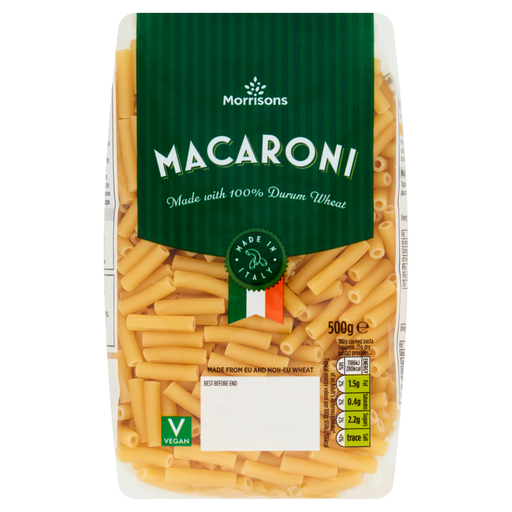 Image unavailable
For a planned macaroni dish, the 500g pack offers a smaller stock unit than the referenced bulk fusilli. Check the current ingredients, cooking directions and residents’ dietary requirements before service.
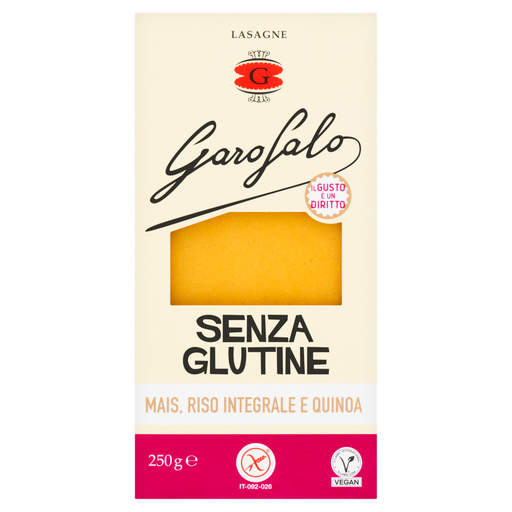 Image unavailable
For a lasagne meal where a resident’s assessed diet calls for a gluten-free product, consider this labelled gluten-free 250g variant. Confirm the current pack details and preparation directions against the resident’s plan.
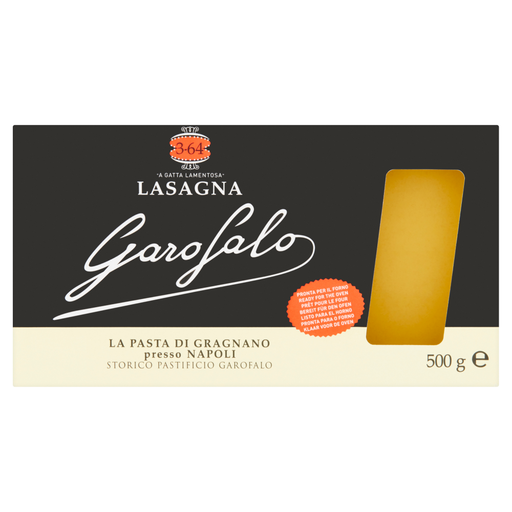 Image unavailable
For a planned lasagne dish, this is a 500g pack of sheets. Check the current ingredients and full preparation directions, particularly where residents have dietary or texture requirements.
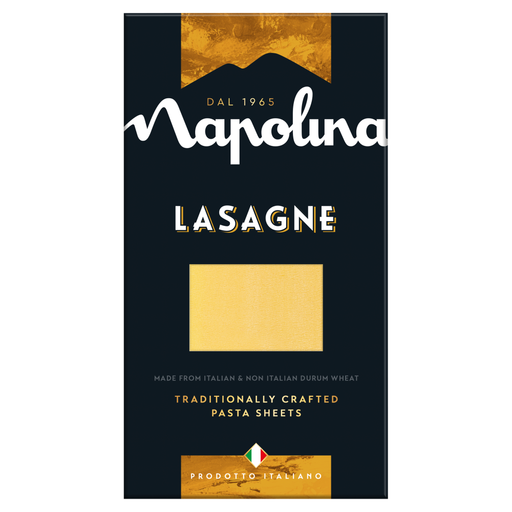 Image unavailable
For a lasagne meal where a 375g pack suits the menu plan, check the current ingredients, storage guidance and preparation directions before assigning it to residents’ meals.
No single pasta product can be assumed to fit every resident’s assessed needs. For regulated services in England, the Care Quality Commission requires nutritional needs to be assessed and met, with preferences and religious and cultural backgrounds taken into account; check the particular pasta and complete meal against each relevant plan.
Softer cooking alone does not establish that the meal meets a prescribed level. Where texture modification is required, follow the clinician’s prescription and use the International Dysphagia Diet Standardisation Initiative’s relevant tests on the finished food under intended serving conditions.
Check the current pack’s ingredients and allergen declaration against the resident’s requirements. The referenced standard Tesco, Sainsbury’s and Asda pasta products contain wheat; a separately labelled gluten-free product still needs an exact-product and care-plan check.
Follow the home’s food-safety system and the exact product directions before planning a reheated meal. Food Standards Agency guidance says food should be reheated only once, while the referenced Asda fusilli directions say not to reheat that product.