Residents who need hands-free calls
If holding a tablet throughout a call is difficult, the stand and protective case need to fit the exact device and leave its camera, speakers and charging connection usable from the normal calling position.


Start with a Wi-Fi tablet if the care home permits personal devices on its network and a video call works reliably where the resident will sit or lie. Consider a cellular model if that connection cannot be used or is unreliable, but check indoor signal and the home’s arrangements before relying on it. Whichever connection you choose, test the calling app with the resident and pair the tablet with a compatible case, stand and accessible charging position.
If holding a tablet throughout a call is difficult, the stand and protective case need to fit the exact device and leave its camera, speakers and charging connection usable from the normal calling position.
A relative may need to set up contacts, the calling app and account recovery while keeping call controls manageable for the resident. Apple Support describes Assistive Access as a simplified iPad experience and Guided Access as a way to restrict an iPad temporarily to one app; either still needs to be tried with the chosen calling app.
The decision between Wi-Fi and cellular depends on access and reception at the usual calling spot. Department of Health and Social Care guidance favours suitable fixed-line broadband for residential care, while Ofcom’s coverage checker can help families investigate mobile networks before testing signal indoors.
Choose when: The home permits the tablet on its Wi-Fi and a call works reliably at the resident’s usual position.
Trade-off: Calls depend on the home’s network and continued access to it.
Choose when: The home’s Wi-Fi cannot be used, is unreliable at the calling spot, or an independent connection is needed.
Trade-off: Someone must manage mobile data, and predicted coverage may not reflect reception inside the room.
| Concern | What to check | Who this matters to |
|---|---|---|
| Hands-free placement | Check the stand’s fit with the exact tablet and fitted case, plus camera and charging-cable clearance. Agree the position and cable route with the home. | If I cannot hold the tablet comfortably, I need a stable view and reachable controls throughout a call. About 40% of consumers put hands-free placement first. |
| Call access and account management | Try answering and ending a call using the intended app. Decide who will manage contacts, passcodes, updates and recovery. | When a relative sets up the device but I use it to speak to family, finding and answering calls needs to feel manageable. About 30% of consumers make simple call access and account management their primary concern. |
| Connection at the calling spot | Confirm permission to use the home’s Wi-Fi and test a call there. If considering cellular, compare networks and test indoor reception. | If the connection drops in my room, a tablet that works elsewhere in the building does not solve my calling problem. Reliable connectivity is the leading need for about 30% of consumers. |
Ofcom notes that buildings and other local conditions can affect mobile coverage, so a coverage prediction cannot establish whether a call will work beside the resident’s bed.
Check the postcode and candidate network, then test a video call at the intended position. Ask the home about its Wi-Fi before arranging mobile data.
A mobile-data plan remains an ongoing commitment even if indoor reception proves unsuitable.
Screen size alone does not establish whether a stand can hold the tablet with its case fitted or leave the camera and charging port clear.
Compare the stand’s supported dimensions with the exact tablet and case, then check the viewing angle and cable clearance in the planned position.
A poor fit may mean changing the stand or case before the resident can use the setup hands-free.
A password prompt, app update or lost passcode can interrupt calls if nobody is responsible for restoring access.
Agree which relative manages the account, contacts and updates, and keep recovery details securely accessible to that person.
Apple’s simplified and one-app modes still require configuration. Google Accessibility Help describes TalkBack’s spoken feedback and touch navigation, which change how a person interacts with an Android tablet.
With the tablet on its intended stand, let the resident try answering, ending and starting a call. Adjust the controls to what they can use comfortably.
An iPad is worth considering when a family member can configure and support a simpler calling experience.
The Galaxy Tab A9+ is an Android option to assess when screen size and connectivity variant matter.
The Tab M11 is another 11-inch Android format to consider for a supported calling setup.
These cellular-capable tablets offer different screen sizes for a family considering an independent connection. Before choosing one for bedside calls, confirm the intended app, indoor network performance and a compatible hands-free arrangement.
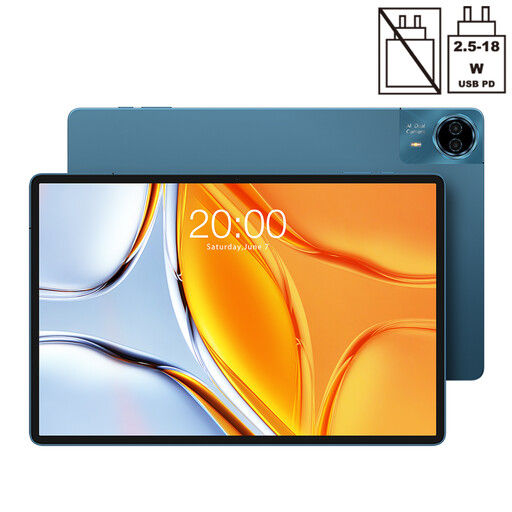 Image unavailable
Consider the 14-inch screen if the resident benefits from a larger call image and a stand can support the tablet securely at the intended viewing distance.
The title lists a 1920 × 1200 display, dual-SIM 4G LTE and 5G Wi-Fi. Check the exact variant’s Android version and battery details before relying on those specifications, and confirm case fit, charging clearance and calling-app compatibility.
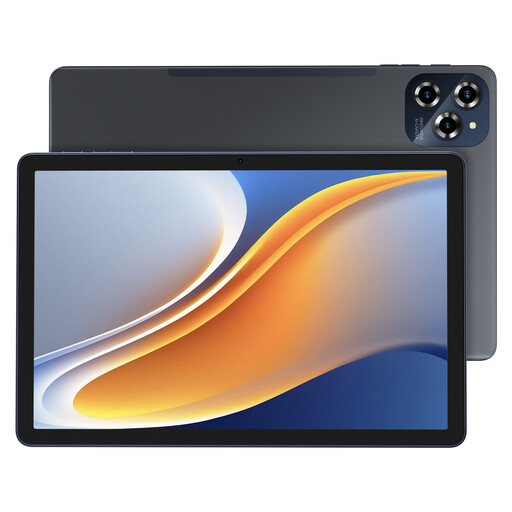 Image unavailable
This 11-inch option is worth assessing where an independently connected tablet would help, provided its size works with the resident’s stand and viewing position.
The title specifies dual 4G SIM support and 5G Wi-Fi. Confirm the calling app with the resident, and check case fit, camera and speaker clearance, and indoor mobile reception.
 Image unavailable
The 12.7-inch format offers another size to assess for a resident viewing calls from a bedside stand; check that the fitted tablet remains stable and within easy reach.
The title lists a 2K display, dual-SIM 4G LTE, 5G Wi-Fi and an included stylus. The stylus does not establish easier call access, so test the chosen app and confirm case, stand and charging fit separately.
 Image unavailable
This LTE variant is an option to examine if the home’s Wi-Fi cannot be used and a mobile connection works at the resident’s calling position.
The title identifies 6GB of memory and 128GB of storage. Confirm the operating system, video-call app requirements and camera arrangement for this exact variant, as well as stand fit and charging access.
Consider cellular if the home’s Wi-Fi cannot be used, fails at the resident’s usual calling spot or an independent connection is needed. Ask about the home’s arrangements, compare networks using Ofcom’s coverage checker and test a call indoors before relying on mobile data.
Apple Support says a trusted supporter can configure Assistive Access for a more focused interface, while Guided Access can temporarily restrict an iPad to one app and selected controls. Try the chosen calling app with the resident and agree who retains the passcodes and manages recovery.
TalkBack can announce screen items as a person explores by touch, according to Google Accessibility Help. Because it changes navigation and selection, try it with the resident and the intended calling app before making it part of the regular setup.
Confirm where calls will take place, whether a personal tablet can use the Wi-Fi, what help staff can offer, and where the stand and charging cable may safely go. Agree which relative will manage the account and contacts so the arrangement remains workable after initial setup.