Teams serving several residents at once
A dining-room service needs a repeatable preparation routine. Check the installed brewer, the coffee’s stated brewing method, and who will handle dosing and cleaning between services.


For care home dining, choose loose ground coffee for repeated service when the home has suitable brewing equipment and the grind matches it. Capsules suit individual cups only when they match the exact machine system; one-cup filters offer an individual option without a capsule machine but need staff to prepare each drink. Keep residents’ preferences, including requests for decaffeinated coffee, in the service plan rather than expecting one format to suit everyone.
A dining-room service needs a repeatable preparation routine. Check the installed brewer, the coffee’s stated brewing method, and who will handle dosing and cleaning between services.
Where residents choose their drinks, a regular offering may need an individual-cup or decaffeinated alternative. Match those options to preferences and the way staff support each resident at service.
A one-cup ground-coffee filter provides an individual-cup route without that machine. Staff still need to follow the exact filter’s preparation instructions and handle the hot drink safely.
Start with the equipment already in use and the number of cups prepared together. Then check how individual choices and drink-service procedures fit the routine.
Consider it when: the home already uses a suitable brewer for repeated dining-room service.
Allow for: measuring coffee, using the appropriate brewing supplies and cleaning the equipment.
Consider them when: an individual-cup machine is in use and the capsule specifies its system.
Allow for: system-specific stock that cannot be used in a different capsule machine.
Consider them when: occasional individual cups are needed without a capsule machine.
Allow for: staff preparing each cup separately, which may be awkward during a simultaneous dining-room service.
| Priority | What to check | Your needs |
|---|---|---|
| Equipment fit | Match loose coffee to the brewer’s stated filter, espresso or moka method. For capsules, check the exact system and installed machine; one-cup filters have their own pack instructions. | I need coffee that staff can prepare with the equipment we actually have, without treating every product called a pod as interchangeable. |
| Service routine | Check how many cups are prepared together, who measures or handles each portion, and when equipment is cleaned. Confirm pack size against the home’s ordering and storage routine. | Several drinks may need to be ready for one dining service, while an occasional made-to-order cup needs a different routine. |
| Resident choice | Check whether a decaffeinated option is needed and read its exact label for caffeine information. Keep the options aligned with recorded preferences and service arrangements. | I want residents to be able to request a suitable alternative without assuming the main coffee suits everyone. |
| Drink information | Keep current ingredient and allergen information for the exact drinks and additions served. Follow each product’s preparation and storage directions. | If we serve coffee with milk, alternatives or flavourings, staff need the right information for the finished drink. |
UK listings distinguish capsule systems including Nespresso-compatible, Dolce Gusto-compatible, Tassimo-compatible and Lavazza A Modo Mio-compatible products. Loose ground coffee follows a different preparation route.
Record the machine model and required capsule system before ordering. For a ground-coffee brewer, select coffee labelled for its brewing method instead.
A mismatched capsule system can leave ordered stock unusable in the installed machine.
Lavazza says its ground coffees are calibrated for particular brewing methods. An espresso-labelled product should not automatically be treated as a filter-coffee choice.
Check the preparation method on the exact pack against the equipment, and keep those instructions available to catering staff.
A resident may prefer a different coffee or a decaffeinated option. Decaffeinated does not necessarily mean caffeine-free: illy lists no more than 0.1% caffeine for its Ground Espresso DECAFFEINATO Roast Coffee.
Include appropriate alternatives in the home’s preference and drink-service arrangements, checking the label of the product actually served.
Milk, alternatives and flavourings can change the allergen information needed for a drink. The Food Standards Agency’s guidance covers allergen information for food businesses serving customers.
Keep ingredient and allergen information current for the coffee and its additions, and make sure staff can give information about the drink as served.
These ranges illustrate different coffee formats; a brand’s presence here does not establish that every product in its range fits the home’s equipment.
Lavazza UK lists ground coffee for moka, espresso and filter preparation alongside separate capsule formats.
illy UK lists ground coffee, capsules and E.S.E. pods as distinct formats.
Rombouts offers loose ground coffee and pre-portioned one-cup filters.
UK supermarket listings include Taylors ground coffee and decaffeinated ground coffee.
Tesco Groceries lists Tesco Finest roast-and-ground coffee and separately sold coffee capsules.
Sainsbury's ground-coffee listings include regular and decaffeinated own-label products.
These options cover loose ground coffee for suitable brewers, an individual one-cup filter and machine-specific capsules. Choose by the home’s equipment and service routine rather than treating the formats as substitutes.
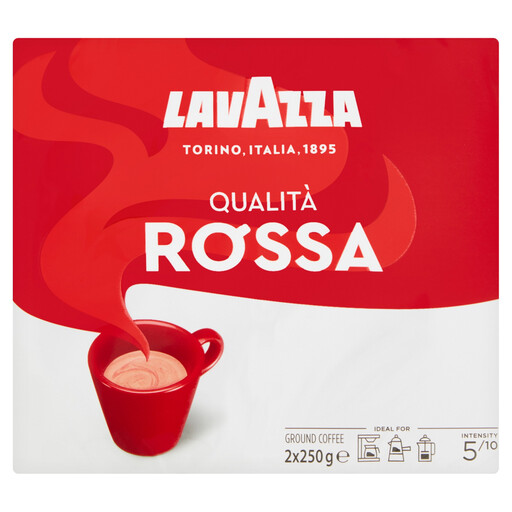 No image available
A loose-coffee option for a home using suitable ground-coffee equipment. Check the pack’s brewing and storage instructions against the service routine.
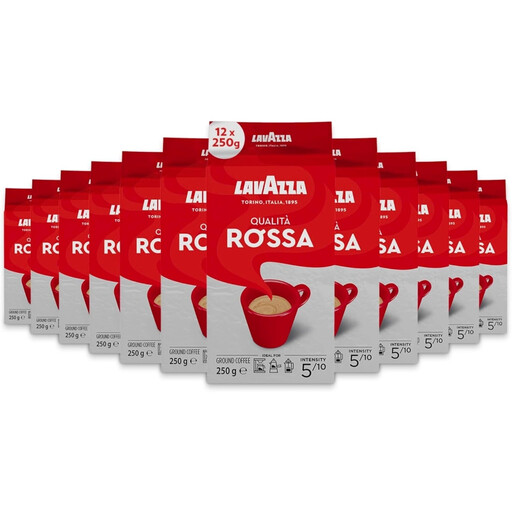 No image available
A multi-pack loose-coffee option where the home can store and use 12 separate 250 g packs. Confirm the stated brewing method against the installed equipment and follow the pack’s storage directions.
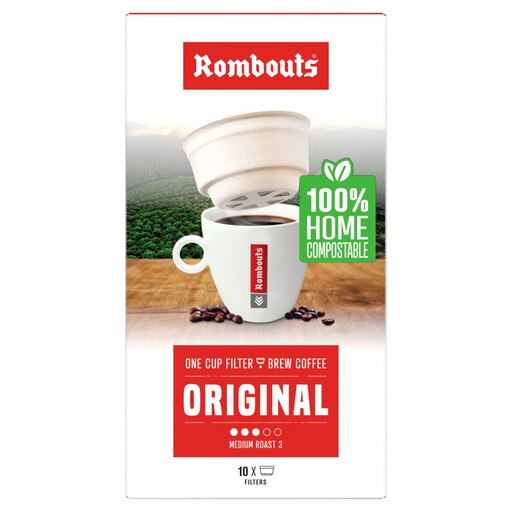 No image available
A one-cup filter option for preparing individual drinks without a capsule machine. Staff should check the instructions on this exact pack before preparing and serving it.
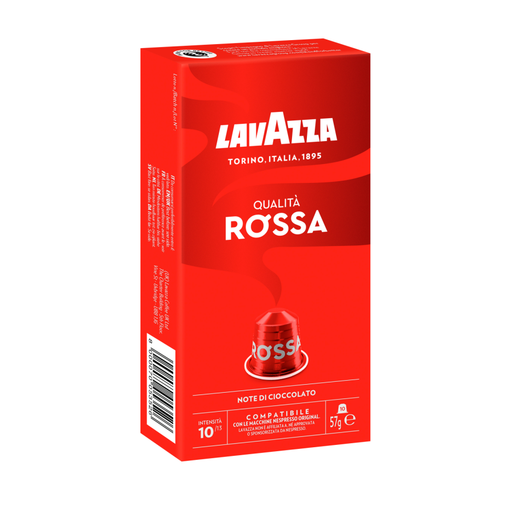 No image available
An individual-capsule option, not loose ground coffee. Check compatibility with the home’s exact machine model before ordering the 10-capsule pack.
 No image available
A caramel-flavoured individual-capsule option. The product description specifies Nespresso Original Line machines; confirm that this is the home’s installed system and check information for any additions served with the drink.
No. Loose ground coffee needs a suitable brewer, while capsules are made for specified machine systems. A one-cup filter contains ground coffee but is prepared as an individual drink without a capsule machine; follow the instructions for the exact product.
If the home already has suitable equipment for preparing several cups, loose ground coffee can form a repeatable service routine. Capsules and one-cup filters are individual-portion routes, so consider the installed machine or the staff time needed to prepare each cup.
A decaffeinated choice can help accommodate residents who request it, provided the product and preparation method fit the home’s arrangements. Check the exact label rather than assuming decaffeinated means caffeine-free: illy states caffeine content of no more than 0.1% for its Ground Espresso DECAFFEINATO Roast Coffee.
Account for the drink as served, including milk, alternatives, flavourings and any accompaniments. The Food Standards Agency’s guidance requires food businesses to provide applicable allergen information; keep current details for the exact ingredients staff use.
The GOV.UK Safer food, better business residential-care-home supplement says it is not intended for nursing homes and does not cover their other required food-safety procedures. A nursing home should use procedures applicable to its own service rather than relying on that supplement alone.