Small-kitchen bakers short on storage
You need to know whether a mixer will fit beneath cupboards or away between bakes, and whether there is still room to use and lift it comfortably.


Start with the space a stand mixer needs both when stored and when you lift its head or remove its bowl, then check that its stated cake capacity fits your usual carrot-cake recipe. A compact model may suit a single household cake batch; a larger bowl is more useful if you regularly make bigger batches and have room for a heavier machine.
You need to know whether a mixer will fit beneath cupboards or away between bakes, and whether there is still room to use and lift it comfortably.
You usually make one household cake at a time and want a bowl and supplied mixing tool suited to your recipe, without choosing on bowl size alone.
You also make larger cakes or bread dough, so a broader tool set or greater stated capacity may matter enough to justify a larger machine.
For carrot cake in a small kitchen, establish where the mixer can stand and operate before comparing its cake capacity and day-to-day care.
| Concern | What to check | Who this matters to |
|---|---|---|
| Storage and working clearance | Measure height, width and depth where the mixer will stand or be stored; allow room to raise the head and remove the bowl. | If cupboard space is tight, I need a mixer I can put away and still use without moving it elsewhere. Around 42% of consumers put space and access first. |
| Cake-batch capacity and tools | Compare the exact model’s stated maximum cake quantity with your recipe, and check for a supplied flat beater, K-beater or stirrer. | When I bake one carrot cake at a time, I want the bowl and mixing tool to suit that batch. Around 33% of consumers prioritise recipe fit. |
| Cleaning and safe setup | Check which parts can go in a dishwasher and confirm a UK 3-pin plug and fuse; leave space away from the sink and counter edge. | If I bake regularly, straightforward cleaning and a suitable electrical setup matter every time I use the mixer. Around 25% of consumers put easy, safe ownership first. |
Bowl volume does not tell you the maximum cake quantity an exact model is intended to mix.
Compare your recipe with the model’s stated cake capacity and check that a suitable cake-mixing tool is supplied. KitchenAid, for example, states a maximum cake quantity of 1.8kg for its 3.3L 5KSM3311X.
A mixer can fit beneath a cupboard in storage but leave too little room to raise a tilt-head or remove its bowl.
Measure the intended storage and worktop positions, including the operating clearance above and around the mixer.
An unsuitable plug or cleaning a connected appliance creates avoidable electrical risk.
Electrical Safety First advises checking for a UK 3-pin plug and fuse. Buy from a reputable retailer, keep the mixer away from water and counter edges, and unplug it before cleaning.
Kenwood offers both the compact Go range and larger kMix models relevant to this decision.
Bosch Series 2 is worth considering if published dimensions are central to planning a compact worktop position.
The 3.3L Mini tilt-head range is relevant if bowl access and a smaller format matter more than routinely making multiple batches.
These stand mixers offer different bowl sizes and storage considerations for carrot-cake baking. Check each model against your usual batch and the space available to use it.
 No image available
For a usual carrot-cake batch, check the model’s rated cake quantity and supplied mixing tool against your recipe.
4.3L bowl; 1000W. Measure the space needed to store and operate the mixer, and confirm its UK plug and fuse before purchase.
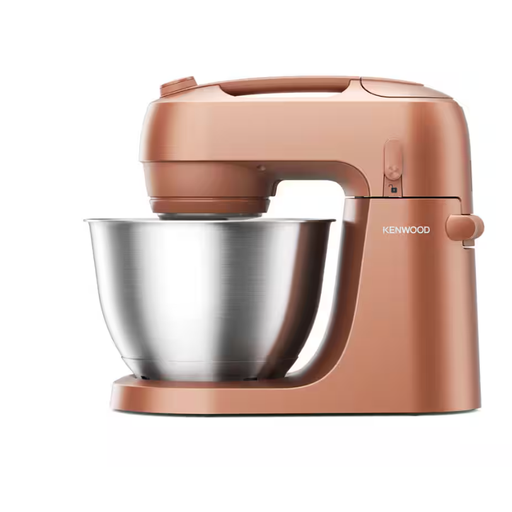 No image available
If cupboard height is limited, compare this model’s 30cm height with your storage space and allow room to lift its head.
Kenwood specifies a 4L bowl and supplied K-Beater. Check the current cake-capacity guidance for KZM35.000RD against your recipe, and confirm the UK plug and fuse.
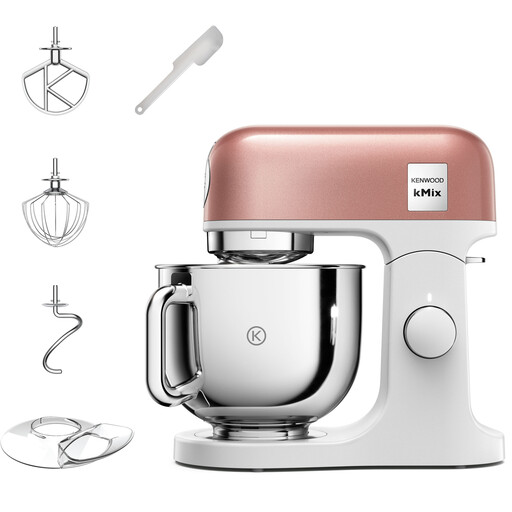 No image available
If you plan to use a mixer for carrot cake on a restricted worktop, check that this model fits with its head raised.
Compare its stated cake capacity with your recipe and confirm the supplied mixing tool, handling weight and UK plug before choosing it.
 No image available
If you want a mixer for larger cake batches, compare this model’s stated cake limit with your recipe before committing worktop space to it.
Consider how often you would need to move or store the machine, measure its operating clearance, and confirm the UK plug and fuse.
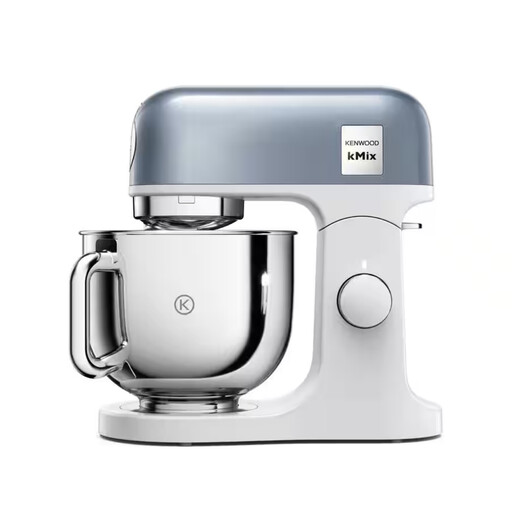 No image available
If a larger bowl appeals for your carrot-cake baking, check the model’s stated cake capacity rather than relying on bowl size alone.
Allow room to use and store the machine; confirm the supplied bowl material and UK plug and fuse before purchase.
A compact 3.3L–4L mixer can suit a household carrot-cake batch if its stated cake capacity fits your recipe. KitchenAid states a 1.8kg maximum cake quantity for the 3.3L 5KSM3311X; check the exact model’s limit as well as its bowl volume.
No: wattage alone does not tell you whether a mixer fits your kitchen or your cake batch. Compare model-specific cake capacity, the supplied mixing tool, dimensions and working clearance alongside the motor specification.
Place it away from the sink and counter edge, and unplug it before cleaning. Do not immerse the motor unit; check the instructions for which removable parts can go in a dishwasher.
Confirm that it comes with a UK 3-pin plug and fuse, as Electrical Safety First advises for electric mixers. Buy from a reputable retailer and check the exact appliance supplied rather than relying on its model name alone.
Yes. Electrical Safety First advises registering appliances so the manufacturer can contact you about a safety recall.