
24/7 Customer Support

Free returns

Same-day & Next-day Delivery

Quality Guaranteed

Unlock Your Welcome Offers: FREE Delivery | Up to 80% OFF | Free 30-day JoyPlus trial
Download the APP
Buying Champagne by the case can simplify wedding planning, party hosting and regular entertaining, but a lower-looking bottle price does not always represent better value. A useful case deal champagne purchase should match your guest numbers, preferred style, storage space and alcohol requirements.
Whether you are comparing champagne case deals, bulk champagne bottles, English sparkling wine or an alcohol-free option, the following checks can help you avoid common buying mistakes.
Retailers may use “case deal” to describe a multi-bottle offer, but the quantity can vary. Before paying, check the number of bottles, bottle size and total volume. Most listings in this category use 75cl Champagne bottles, while some products may use a different stated quantity or format.
Calculate the real cost with this simple formula:
Total price ÷ number of bottles = price per bottle
Also check delivery charges, especially when ordering for a venue or an event with a fixed budget.
Only sparkling wine produced in the Champagne region of France can be labelled Champagne. A Brut Champagne case, such as Moët & Chandon Champagne, Bollinger Champagne or Taittinger Champagne, is different from an English sparkling wine case, rosé sparkling wine or a non-alcoholic sparkling water product.
These alternatives are not necessarily unsuitable. They simply offer different flavour profiles, origins and price points. Chapel Down and Hambledon, for example, are English sparkling wine choices, while Freixenet Cordon Rosado is a rosé sparkling wine.
A familiar label may suit gifting, but it does not automatically match every menu or guest preference. Check the style, alcohol percentage, serving occasion and packaging. A Champagne gift box may be more appropriate for an individual present, whereas a standard case is generally more practical for a reception or larger gathering.
Product descriptions can also contain promotional language that says little about the actual drink. Prioritise the legally required product information, including allergens, ABV, volume, country of origin and storage instructions.
A 75cl bottle provides approximately six 125ml glasses, although pours vary. For a toast-only event, one bottle may serve more guests; for a drinks reception, allow additional bottles.
For example:
Do not rely on the word “bulk” alone. Confirm the exact bottle count and compare the per-bottle price.
“Brut” generally indicates a dry sparkling wine, but individual wines can still differ in acidity, fruit character and texture. A crisp Brut style may work well as an aperitif, while a rosé sparkling wine can provide a fruit-led option for summer entertaining.
For food pairing, consider:
Check the stated ABV and UK alcohol units per bottle. Several products listed here are around 11.5% to 12.5% ABV, but the exact figure varies. Some listings state approximately nine units per bottle, while others provide different nutritional or unit information.
All alcoholic products are for adults aged 18 and over. Keep bottles in a cool, dark place, away from direct sunlight and temperature fluctuations. Sparkling wine bottles are pressurised, so point them away from people when opening. Follow the label instructions and consume responsibly. The UK Chief Medical Officers advise that adults should not regularly exceed 14 units per week.
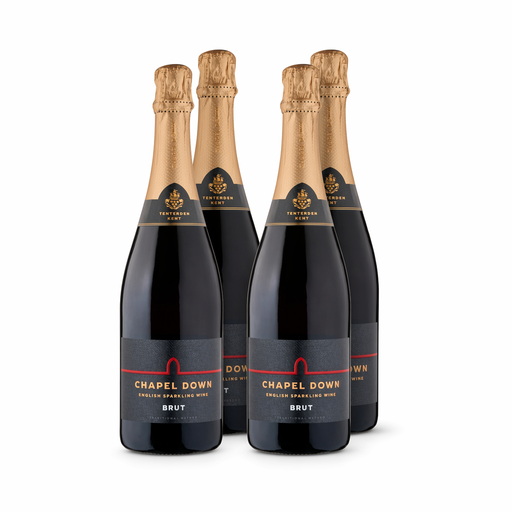
Why This Fits Their Persona: A practical English sparkling wine case for shoppers who want a recognised UK-produced option for informal celebrations, dinners or home entertaining.
The listing identifies it as English Quality Sparkling Wine rather than Champagne, helping shoppers compare like-for-like.
75cl bottles, 12% ABV and stated apple, citrus and strawberry notes.
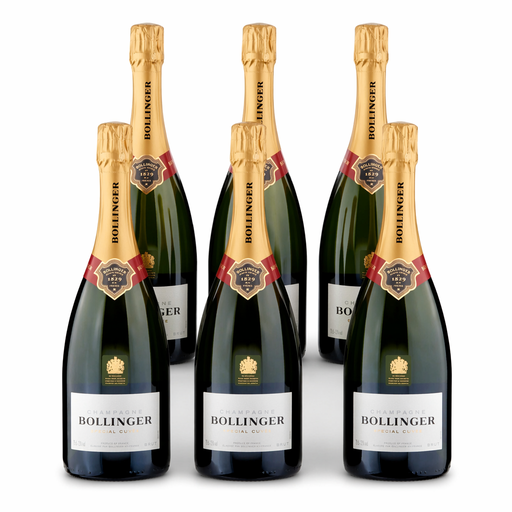
Why This Fits Their Persona: Suitable for buyers seeking a named Champagne house for formal dinners, milestone celebrations or premium Champagne online gifting.
The listing provides the region, producer and 12% alcohol percentage, allowing a clearer comparison than branding alone.
75cl Champagne bottle from France’s Champagne region; contains sulphites.
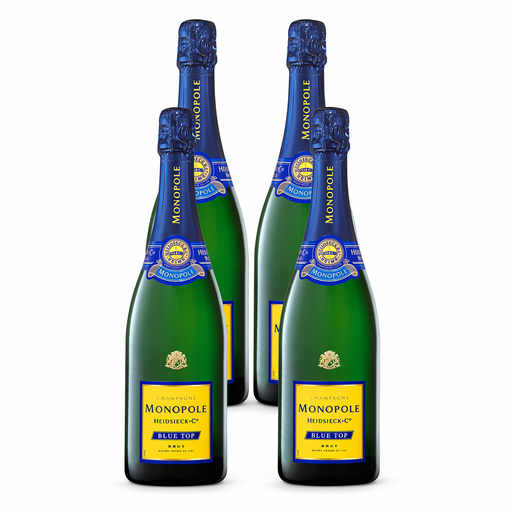
Why This Fits Their Persona: A straightforward option for hosts who need multiple consistent bottles for receptions, celebrations or repeat entertaining.
Its listing clearly states the 75cl format, 12% ABV, French origin and sulphite allergen information.
A Brut blend of Chardonnay, Pinot Noir and Pinot Meunier, with stated citrus, floral and brioche notes.
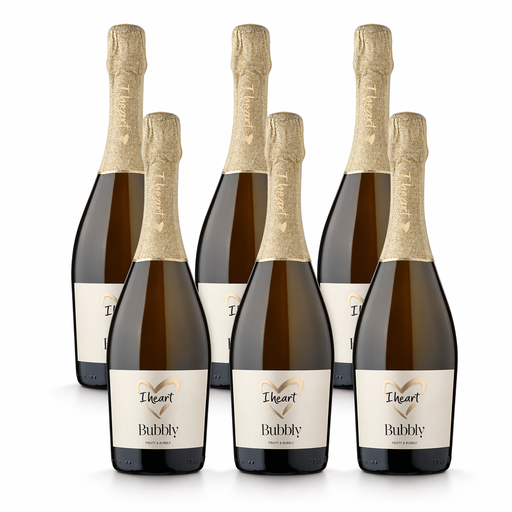
Why This Fits Their Persona: Designed for guests avoiding alcohol, daytime events, designated drivers or households wanting sparkling refreshment without age restrictions.
The product is stated as a non-alcoholic beverage with 0.0% ABV, zero calories and no age restrictions.
Carbonated water with natural flavouring; suitable for vegetarians and vegans.
We have compiled a complete, real-time list of products that fully satisfy these strict selection criteria and UK safety regulations.
For a rosé-led menu, the Case Deal - Hambledon Vineyard Brut Rosé offers an English alternative with a stated 12% ABV and red-fruit flavour profile. For gifting, the Pommery Brut Royal Champagne Gift Box combines a named Champagne product with presentation packaging.
Shoppers comparing familiar houses can also consider Moët & Chandon Champagne, Taittinger Champagne or vintage Champagne listings. Check the exact vintage, bottle volume and case quantity before ordering. For a broader mixed celebration, Freixenet Cordon Rosado provides a different style from traditional Brut Champagne.
It can reduce the price per bottle, but this depends on the listed quantity, delivery fee and promotional terms. Always divide the full checkout cost by the number of bottles rather than judging the headline case price.
Keep unopened bottles in a cool, dark location away from heat, sunlight and temperature changes. Non-vintage Champagne is generally intended for drinking within a practical period after purchase, while storage guidance varies by product. Check the packaging and product listing rather than assuming every bottle improves with age.
Offer a clearly labelled alcohol-free drink alongside alcoholic options. A product such as non-alcoholic sparkling water can provide bubbles for toasts without alcohol, while still allowing guests to participate in the occasion.