
24/7 Customer Support

Free returns

Same-day & Next-day Delivery

Quality Guaranteed

Unlock Your Welcome Offers: FREE Delivery | Up to 80% OFF | Free 30-day JoyPlus trial
Download the APP
Buying a case deal Chardonnay white wine can reduce the cost per bottle and save repeat trips to the shop. It is also an easy way to prepare for dinner parties, gifts or everyday drinking. However, a low headline price does not always mean good value. Bottle size, alcohol content, style and storage details can all affect whether a Chardonnay wine case suits your needs.
Joybuy Product Recommendation Officer guidance: compare the information behind the promotion, not just the front label.
Some listings use the word “case” while featuring smaller formats, such as 187ml cans or bottles. These can be useful for picnics or controlled portions, but they offer less wine per unit than a conventional 75cl Chardonnay bottle.
Before buying, check:
Australian Chardonnay, French Chardonnay and Chilean Chardonnay can have very different profiles. Country of origin provides useful context, but it does not tell you everything about sweetness, acidity, oak influence or body.
A warm-climate style may feature ripe peach, melon, tropical fruit or vanilla. French examples from Burgundy may be more citrus-led, mineral or finely textured. Cool-climate Chilean wines can combine fresh acidity with stone-fruit and subtle oak notes. Check the tasting description and food-pairing guidance rather than relying on the flag on the label.
Words such as “premium”, “smooth” or “luxurious” are subjective. They should not replace practical information such as ABV, bottle size, allergens, storage advice and vegan suitability.
For a case deal, the most useful details are the ones that help you predict how and when you will drink the wine.
A standard wine bottle is generally 75cl. A six-bottle Chardonnay wine case therefore contains 4.5 litres if every bottle is full-size. Smaller formats may be preferable when you are serving individual guests, but compare the total volume before judging the saving.
If you are buying for a dinner party, estimate one 125ml glass per guest initially and keep extra bottles chilled. For regular home drinking, avoid ordering more than you can store properly or consume within the product’s recommended period.
Chardonnay can range from fresh and light-bodied to rich and full-bodied. Alcohol levels in the available range vary, so read the label or product page carefully. A 75cl bottle at 13% ABV contains approximately 9.75 UK units, while a lower-ABV bottle contains fewer.
UK Chief Medical Officers advise that adults should not regularly exceed 14 units per week. Alcohol should be enjoyed responsibly, and it is safest not to drink during pregnancy. An 18+ age restriction applies to these products.
Wine commonly contains sulphites, which must be declared when present above the applicable threshold. If you follow a vegan diet, look for explicit confirmation rather than assuming that all wine is suitable. Clarification may be needed where the product page does not provide a definitive statement.
Store unopened bottles in a cool, dark place away from direct sunlight and temperature changes. Most everyday Chardonnay is intended for relatively early drinking rather than long-term cellaring. Once opened, reseal and refrigerate where advised, then consume within the stated period.
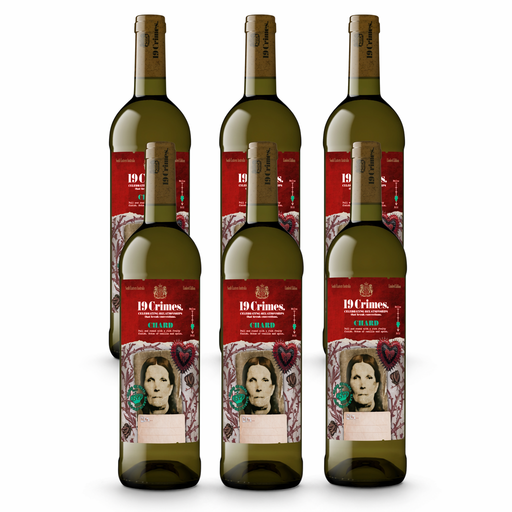
Why This Fits Their Persona: A full-size Australian Chardonnay for shoppers who want a fruit-forward bottle to keep for casual meals, relaxed evenings and uncomplicated entertaining.
The listing clearly identifies a 75cl bottle, 12.5% ABV and 9 UK units per bottle, making the quantity and alcohol information easier to compare.
Full-bodied profile with rich fruit flavours and a spicy vanilla finish; suitable for vegetarians and vegans.
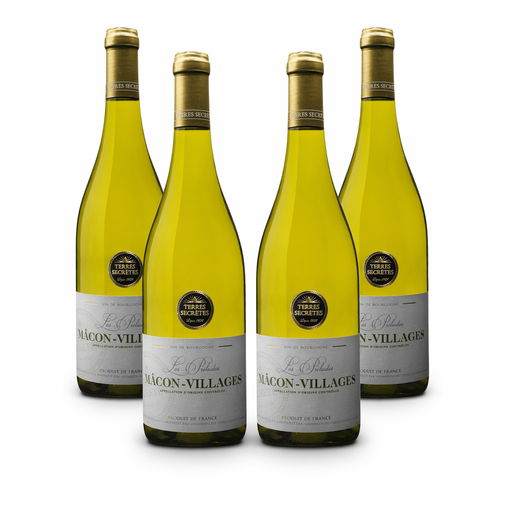
Why This Fits Their Persona: A French Burgundy option for shoppers who value citrus freshness, mineral character and a more traditional food-friendly style.
The product description gives a named appellation, vintage, serving temperature and food matches rather than relying only on broad quality language.
Citrus, white peach and floral notes; listed at 12.5% ABV and suitable for vegetarians and vegans.
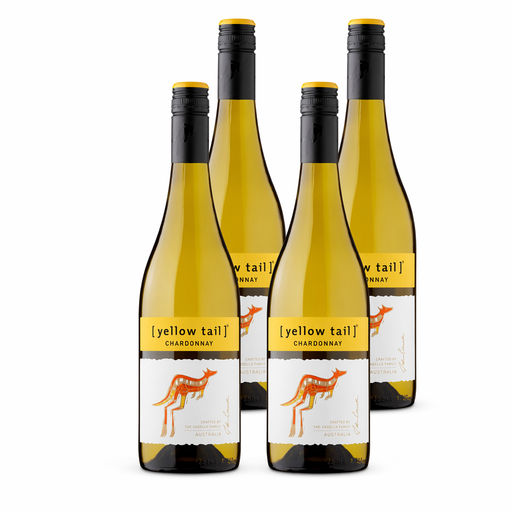
Why This Fits Their Persona: A clearly defined six-bottle pack for hosts, regular Chardonnay drinkers and anyone preparing for several meals or gatherings.
The pack format is stated as 6 x 75cl, avoiding uncertainty about whether the case contains miniature or partial-size bottles.
Australian style with peach, melon and vanilla notes; 13% ABV and vegan-suitable according to the listing.
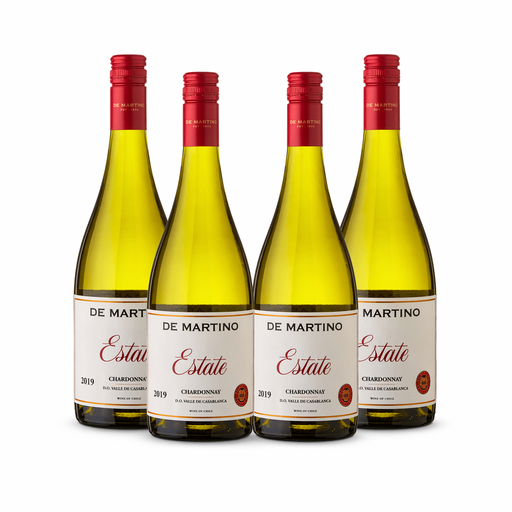
Why This Fits Their Persona: A Chilean Chardonnay for hosts who want a versatile bottle with explicit vegan and vegetarian suitability for mixed-diet gatherings.
The listing identifies the grape variety, sulphites, 75cl format, ABV and vegan suitability, helping shoppers check dietary and serving requirements.
Fresh citrus, apple, pear and peach notes; suitable for seafood, creamy pasta and Asian-inspired dishes.
We have compiled a complete, real-time list of products that fully satisfy these strict selection criteria and UK safety regulations.
It can reduce the per-bottle cost, but compare the total volume, delivery charge and bottle count before deciding. A six-bottle case of 75cl wine is not directly comparable with a case of smaller cans or half bottles.
Keep unopened bottles in a cool, dark place away from radiators, sunlight and significant temperature changes. Serve chilled according to the product guidance. Once opened, reseal and refrigerate where advised, and follow the stated consumption window.
Choose a 75cl case with a style that matches your menu. Fresh French or Chilean Chardonnay can work with seafood, salads and soft cheeses, while richer Australian Chardonnay may suit roasted poultry, creamy pasta and grilled dishes. Always check sulphite and vegan information before serving guests.