
24/7 全天候客户支持

免费退货

当日/次日达

品质保障

开启新人专享福利: 全场免邮 | 低至 2 折 | 免费试用 30 天 JoyPlus 会员
下载 Joybuy
Buying a case deal Malbec wine can be a practical way to prepare for dinner parties, weekend meals, gifting or regular drinking at home. However, a low headline price does not always indicate good value. Bottle size, alcohol content, origin and storage expectations can all affect whether a Malbec red wine case suits your needs.
This guide explains the details worth checking before ordering, then matches selected wines with different UK shopping needs.
Many UK shoppers search for a bulk wine case expecting six 75cl bottles. Product titles can vary, so check the listed net quantity and pack format before paying. A standard full-size bottle is 75cl; smaller formats may offer less wine despite appearing similar in product imagery.
The Trivento Reserve listing, for example, states 6 x 75cl, while other case-deal listings should be checked individually for their exact quantity.
Malbec is often associated with rich, dark-fruit flavours, but style varies significantly by region and producer. An Argentine Malbec wine from Mendoza may offer ripe plum and blackberry notes, while a French Malbec wine from Cahors may feel more structured. A Chilean example can show a different balance again.
If you prefer softer, lighter everyday drinking, an Australian Merlot or Spanish red wine may be more suitable than a full-bodied Malbec.
Alcohol percentage affects both flavour intensity and how quickly a case may be consumed. Available examples range from 10.5% ABV for Morrisons Malbec to around 14% ABV for selected Argentine wines. A 750ml bottle at 14% ABV contains approximately 10.5 UK units, while a 125ml glass contains around 1.75 units.
For UK adults, the Chief Medical Officers’ guidance is not to regularly exceed 14 units per week. Always check the label, serve measured portions and drink responsibly. Alcohol is not suitable for anyone under 18, and it should be avoided during pregnancy.
Confirm:
A case may offer convenience, but buying more bottles only saves money if you are likely to drink them within the recommended storage period.
ABV is the percentage of alcohol by volume. It is separate from the wine’s flavour description, so do not assume that “smooth” means low in alcohol. For comparison:
These figures are taken from the supplied product information; check the bottle label for the current details before serving.
Use origin as a guide rather than a guarantee. Argentine and Chilean Malbec wines commonly work well with grilled beef, burgers, lamb and hearty stews. A French Malbec from Cahors may suit braised dishes and mature cheeses. Merlot can be a flexible alternative for pasta, roast beef, cheese boards and sharing plates.
For a food pairing red wine, consider the meal first:
Serve most full-bodied reds at approximately 16–20°C, depending on the style. A warm centrally heated room can make wine taste heavy, so slightly cooling the bottle may be sensible.
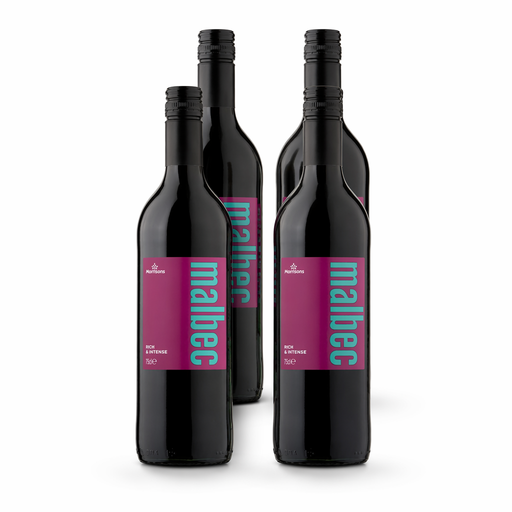
Why This Fits Their Persona: The listed 10.5% ABV makes this a comparatively lighter-alcohol option for shoppers building a wine cupboard for casual meals and informal hosting.
Its stated ABV is clear, helping buyers compare alcohol content rather than judging value from the case label alone.
75cl bottle format; listed as a versatile table wine for pasta, grilled dishes, cheeses and sharing plates.
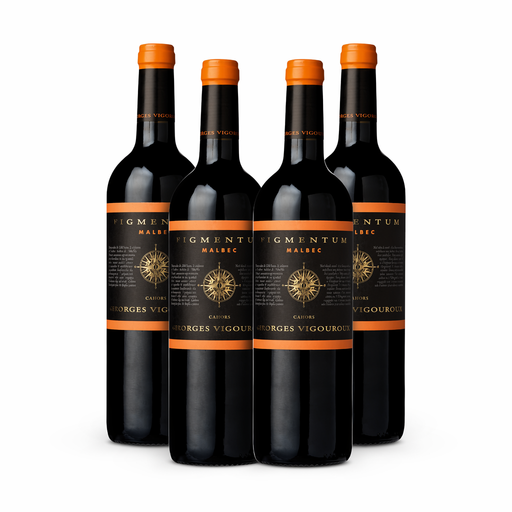
Why This Fits Their Persona: This French Malbec comes from Cahors in south-west France and is listed at 13.5% vol., suiting shoppers looking for regional character for dinners or gifting.
The stated appellation and grape information provide more useful buying context than vague premium-style wording.
Cahors origin; suitable for vegetarians and vegans according to the listing; pairs with grilled meats, stews and aged cheeses.
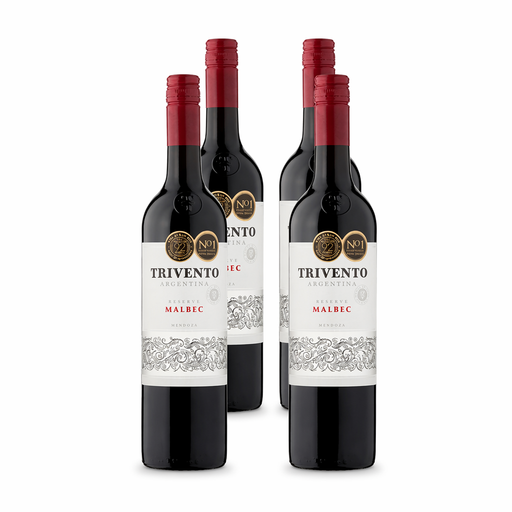
Why This Fits Their Persona: The explicitly stated six-bottle format is convenient for hosts planning several meals, celebrations or a larger gathering.
The pack size and 12.5% ABV are stated clearly, making it easier to calculate portions, units and cost per bottle.
Six 75cl bottles; listed at 9.4 UK units per bottle; designed for straightforward everyday use.
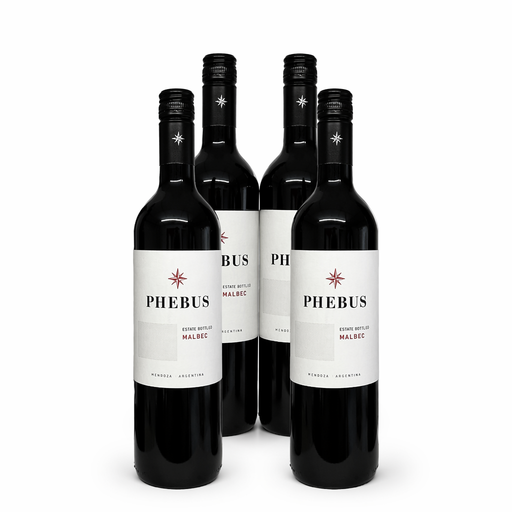
Why This Fits Their Persona: Sourced from Mendoza and listed at 14.0% vol., it is suited to shoppers seeking a fuller Argentine style for red meat, lamb and robust stews.
The country, region, grape variety and alcohol percentage are identified, so the purchase is based on specific information rather than generic tasting language.
100% Malbec listed; Mendoza origin; suitable for vegetarians and vegans; recommended serving temperature of 16–18°C.
A broader selection can help if you are not committed to one style. Casillero Del Diablo Malbec 75cl is listed as a Chilean Central Valley wine at 12.5% vol. McGuigan Black Label Merlot 75cl comes from South Eastern Australia at 12.5% ABV, with red-fruit and soft-spice notes in the supplied description.
For a Spanish red wine, Mucho Más Vino Tinto 75cl comes from Castilla-La Mancha and is made primarily with Tempranillo. Other Argentine options include 19 Crimes Malbec, Most Wanted Malbec, Crios Malbec 23 Susana Balbo, Viñalba Patagonia Malbec and The Wanderer Malbec. Always compare the current label, vintage, ABV and pack quantity before ordering.
We have compiled a complete, real-time list of products that fully satisfy these strict selection criteria and UK safety regulations.
It can be, particularly when the case contains six full 75cl bottles and the cost per bottle is lower than buying individually. Compare the total price, delivery charge, bottle size, ABV and likely storage period rather than relying only on a displayed percentage discount.
Keep unopened bottles in a cool, dark place away from direct sunlight and heat. Follow the product’s storage guidance. Once opened, re-cork or seal the bottle, refrigerate it where appropriate and usually consume within three to five days.
A mixed occasion case with approachable Malbec, Merlot or Spanish red wine can suit varied menus. For a single-style case, choose a 75cl Malbec with an ABV and flavour profile that match the food being served. Check the number of bottles before ordering, particularly when planning for larger groups.